Adventures In Ecuador with Lynn Sanders | TGD
Volunteer travel is most useful when it pairs real community needs with education, cultural respect, and concrete help. This article explains how service learning works in Ecuador, why oral health and child nutrition matter, and how a story-based resource can make those ideas easier to understand.
Adventures In Ecuador: Diary of a Volunteer
Volunteer travel is most useful when it pairs real community needs with education, cultural respect, and concrete help. This article explains how service learning works in Ecuador, why oral health and child nutrition matter, and how a story-based resource can make those ideas easier to understand.
Volunteer travel combines service, learning, and cultural exchange. In Ecuador, it often includes health outreach, children's education, and practical support for families, and it works best when local priorities guide the work.
Key Takeaways
- Volunteer travel has the most impact when it solves a real local need instead of centering the traveler's experience.
- According to the World Health Organization, oral diseases affect nearly 3.7 billion people, which makes hygiene education a practical service-learning focus.
- According to the World Bank, 19 percent of Ecuadorian children under two still face chronic malnutrition, so family and child support remain important.
- Story-driven resources help beginners understand service learning because they turn abstract ideas into concrete scenes and actions.
- The Great Discovery course is a $4.99 Basic-level option in Teaching / Education, Kids Content, TGD Success, and Parenting for readers who want a simple starting point.
Table of Contents
- Understanding Volunteer Travel and Service Learning
- Key Concepts and Techniques
- Who Benefits from Learning Service Learning in Ecuador?
- What Do Students Say?
- About the Creator
- Volunteer Health Outreach Concepts You Should Know
- Watch Before You Enroll
- Frequently Asked Questions
- Conclusion
- Explore More on TGD
Understanding Volunteer Travel and Service Learning
Volunteer travel is education plus action. It matters because the best trips help a community meet a defined need while teaching the volunteer something practical about health, culture, and cooperation.
According to the World Health Organization, oral diseases affect nearly 3.7 billion people globally, and prevention and treatment are often left out of universal health coverage in low- and middle-income countries. That makes simple interventions such as brushing instruction, hygiene kits, and family education more valuable than they first appear.
According to the World Bank, 19 percent of Ecuadorian children under two still face chronic malnutrition, even after measurable improvement in recent years. Those numbers explain why volunteer work in Ecuador is strongest when it focuses on narrow, practical support: health teaching, child care, family outreach, and local partnership.
The lesson for readers is simple. Service learning should be shaped by real constraints, not by travel fantasies, and it should leave the community with something durable, even if that something is small.
Want to Learn Adventures In Ecuador Step by Step?
This course turns the ideas above into a child-friendly story about volunteer work, oral hygiene, and community care.
Key Concepts and Techniques
Good volunteer work depends on a few repeatable ideas. If you understand those ideas, you can evaluate mission trips, service projects, and educational stories more clearly.
1. Service Learning vs. Voluntourism
Service learning starts with a community need and ends with a useful result. Voluntourism starts with the traveler's desire to help, which can drift into shallow work if it is not anchored to local priorities.
A useful test is whether the project still makes sense if the volunteer is removed from the story. If the answer is no, the work may be more about the volunteer than the community.
2. Oral Health Education
Oral health is one of the clearest examples of a small intervention with large value. According to the World Health Organization, billions of people live with oral disease, so toothbrushing instruction, fluoride awareness, and habit-building can matter even in short visits.
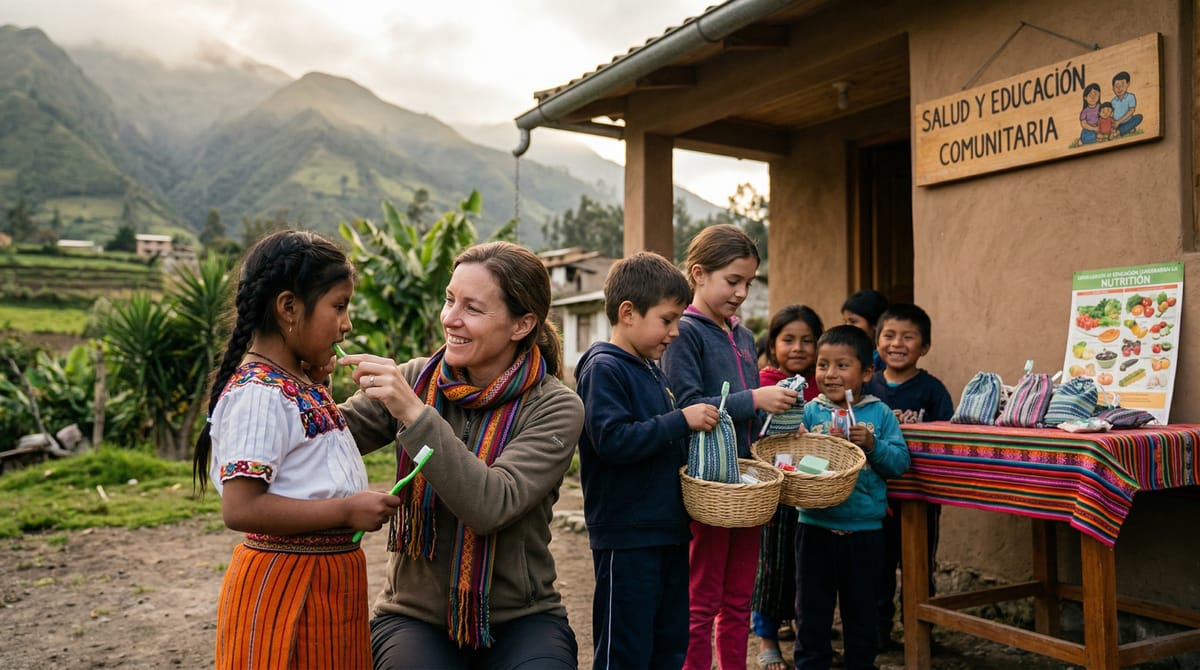
In practical terms, that means showing a child how to brush for long enough, explaining why sugary snacks matter, and making the lesson simple enough to repeat at home.
3. Community Partnership
Volunteer teams are most effective when they work with local professionals instead of bypassing them. According to the American Dental Association, a volunteer delivery-of-care program in Ecuador recruits dentists, hygienists, physicians, nurses, therapists, teachers, and more, and Spanish is required.
That detail matters because it shows the work is coordinated, specialized, and rooted in communication. Language readiness, accommodations, and role clarity are not extras; they are the infrastructure of respectful service.
4. Child-Focused Storytelling
Children learn service best when the message is concrete. A diary format works because it shows what happened, who needed help, and why the small tasks mattered.
That is especially useful for families, teachers, and younger readers who need a narrative bridge between compassion and action.
5. Measuring Impact
Impact is easier to understand when you can name the outcome. In a volunteer context, that might mean toothbrushes distributed, children taught, families reached, or local staff supported.
Clear metrics keep the work honest. They also help volunteers avoid the common mistake of judging success by how meaningful the experience felt to them.
Who Benefits from Learning Service Learning in Ecuador?
This topic helps families, educators, and first-time volunteers turn compassion into practical action. It is most useful when the learner wants a simple framework for understanding why service trips matter and how to judge them well.
Parents and Homeschoolers
Parents can use the topic to teach empathy, geography, and public health at the same time. The $4.99 Basic-level course fits this audience well because it is inexpensive, beginner-friendly, and grounded in Kids Content and Parenting.
It is a good starting point when you want a story that leads to a discussion, not a lecture.
Teachers and Librarians
Teachers need material that connects reading with real-world problem solving. A service-learning story gives them a way to talk about oral health, nutrition, and community support without making the lesson feel abstract.
The Teaching / Education category makes the recommendation especially natural for classroom use.
First-Time Volunteers
New volunteers often want to help but are unsure what useful help looks like. This topic teaches them to look for local partnership, language preparation, and a clear task instead of broad enthusiasm alone.
For that audience, a low-cost, basic-level resource can be a practical first step before joining a real outreach trip.
Dental and Health Teams
Dental workers, nurses, and community health volunteers benefit because the topic shows how health education becomes social impact. Oral hygiene teaching, family support, and child-centered communication are all easier to plan when they are framed as repeatable routines.
That is where the course can help as a simple reference point for the human side of the work.
What Do Students Say?
This course is new to the marketplace and hasn't collected reviews yet. Check back after launch for student feedback.
About the Creator
Lynn Sanders builds story-led learning under the bio Making A Difference With Your Story. Her catalog suggests she focuses on accessible, purpose-driven teaching that can reach families and beginning learners.
- Courses created: 6
- Total learners: 36
- Average rating: 5.0
Creator bio: Making A Difference With Your Story.
Visit Lynn Sanders on The Great Discovery
Volunteer Health Outreach Concepts You Should Know
These concepts explain why some volunteer projects help and others do not. The table below turns the topic into a quick reference you can revisit before joining a trip or discussing the subject with a child.
| Concept | What It Means | Why It Matters |
|---|---|---|
| Service learning | Travel or study that is tied to a real community need and a learning goal. | It keeps the work practical, respectful, and easier to evaluate. |
| Oral hygiene instruction | Teaching brushing, flossing, and prevention habits in a simple, repeatable way. | According to WHO, oral disease is widespread, so small education wins can matter. |
| Community partnership | Local professionals help set goals, roles, and language expectations. | It prevents outsiders from guessing at needs and improves trust. |
| Cultural humility | Entering a community ready to listen, adapt, and respect local practice. | It reduces friction and makes support more useful. |
| Child-focused communication | Using clear words, stories, and demonstrations children can remember. | It improves learning when the audience is young or inexperienced. |
| Nutrition awareness | Connecting health outreach to food access, growth, and family support. | According to the World Bank, 19 percent of Ecuadorian children under two still face chronic malnutrition. |
A diary narrative helps these ideas stick because it shows each concept in a real scene instead of an abstract definition. That is why a story-based resource can work well as a companion to this reference table.
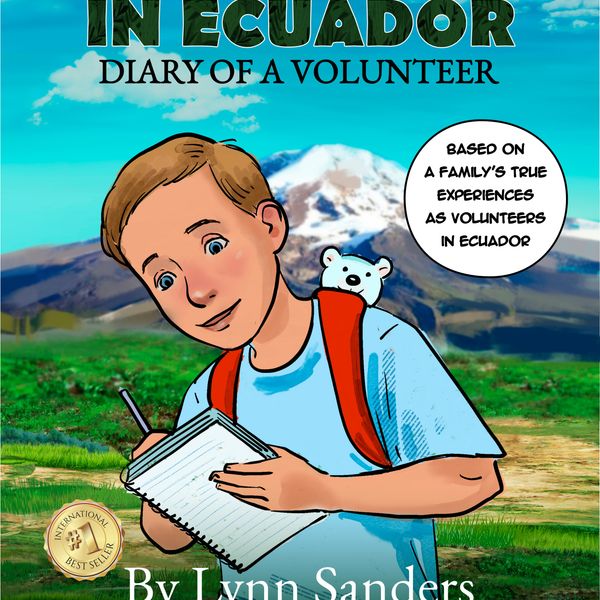
Master Adventures In Ecuador: Diary of a Volunteer with Expert Guidance
Lynn Sanders frames service and compassion through a child's perspective, which makes the concepts above easier to absorb. The course gives beginners a simple, affordable way to revisit volunteer travel, oral health, and child-focused outreach at their own pace.
Enroll in Adventures In Ecuador: Diary of a Volunteer →
Watch Before You Enroll
Watch this short video overview to understand the main ideas behind Adventures In Ecuador: Diary of a Volunteer before you enroll.
This video introduces Adventures In Ecuador: Diary of a Volunteer and previews adventures In Ecuador, Diary of a Volunteer offers:.
Frequently Asked Questions
These answers cover the most common questions readers ask about volunteer travel, service learning, and Ecuador outreach. They focus on practical definitions and the facts that matter before you join a trip or choose a resource.
What is volunteer travel?
Volunteer travel is a trip organized around service, learning, and community partnership. The strongest versions focus on a specific need, such as health education or child support, instead of broad or unfocused helping.
How does service learning differ from voluntourism?
Service learning starts with the community's need and measures whether the work was useful. Voluntourism starts with the traveler's desire to help, which can lead to shallow projects if it is not anchored to local priorities.
Why is oral health education so important in mission work?
According to the World Health Organization, oral diseases affect nearly 3.7 billion people worldwide. That scale makes brushing instruction, prevention habits, and family teaching a high-value use of volunteer time.
What should volunteers know before working with families in Ecuador?
Volunteers should expect language preparation, cultural humility, and role clarity. According to the American Dental Association, the Ecuador delivery-of-care program requires Spanish and uses coordinated accommodations, which shows how important planning is.
Why do children respond well to story-based volunteer education?
Children understand action more quickly when it appears in a story. A diary format turns abstract ideas like service, hygiene, and kindness into scenes they can remember and discuss.
How much does Adventures In Ecuador: Diary of a Volunteer cost, and what level is it?
The course is priced at $4.99 and marked Basic. That makes it a low-friction entry point for families, teachers, and beginners who want an accessible introduction to the topic.
Ready to Go Deeper?
Volunteer travel matters most when it is specific, respectful, and tied to a real need. In Ecuador, that often means oral health education, child support, and family-centered outreach, all of which make more sense once you understand the scale of the problem and the value of local partnership. The bigger lesson is that good service work is usually small, local, and repeatable rather than dramatic. You've learned the framework, and Adventures In Ecuador: Diary of a Volunteer is a practical next step.
Start Learning Adventures In Ecuador on TGD →
Conclusion
Volunteer travel matters most when it is specific, respectful, and tied to a real need. In Ecuador, that often means oral health education, child support, and family-centered outreach, all of which make more sense once you understand the scale of the problem and the value of local partnership. The bigger lesson is that good service work is usually small, local, and repeatable rather than dramatic. You've learned the framework, and Adventures In Ecuador: Diary of a Volunteer is a practical next step.
Explore More on TGD
These links point you to the nearest next steps on TGD. If you want to keep learning, start with the category pages below and then visit the creator page.
- Teaching / Education courses
- Kids Content courses
- TGD Success courses
- Parenting courses
- The Great Discovery homepage
- Lynn Sanders creator page
Share Your Knowledge on The Great Discovery
Join Lynn Sanders and hundreds of other creators sharing their expertise. Create and sell your own courses on TGD.