
Awaken to Inner Peace with Radavie Riom | TGD
Inner peace in the midst of chaos is the capacity to stay aware, grounded, and emotionally steady while stress continues around you. It comes from present-moment attention, acceptance, and simple practices that reduce reactivity without denying reality.

Inner peace in the midst of chaos is the capacity to stay aware, grounded, and emotionally steady while stress continues around you. It comes from present-moment attention, acceptance, and simple practices that reduce reactivity without denying reality.
Key Takeaways
- Gallup found that 50% of U.S. workers felt a lot of stress the previous day, which shows why calm is a daily skill, not a luxury.
- According to NCCIH, mindfulness means present-moment awareness without judgment, and U.S. meditation use rose from 7.5% in 2002 to 17.3% in 2022.
- A 2026 EEG study found breath-watching meditation produced measurable brainwave changes within minutes, with stronger shifts by 7 to 10 minutes.
- Radical acceptance helps you stop fighting what is already happening, which often lowers emotional resistance and makes clearer choices easier.
- The course adds short Freedom Explorations, so readers can practice inner peace instead of only reading about it.
Table of Contents
- Understanding Inner Peace in Chaos
- Key Concepts and Techniques
- Who Benefits from Learning Inner Peace?
- What Do Students Say?
- Is This Course Worth It?
- About the Creator
- Inner-Peace Practices at a Glance
- Watch Before You Enroll
- Frequently Asked Questions
- Conclusion
- Explore More on TGD
Understanding Inner Peace in Chaos
Inner peace in chaos is not the absence of stress. It is the ability to remain steady, aware, and less reactive while stress is still present. That matters because stress is now a normal part of daily life, not an exception.
According to Gallup's State of the Global Workplace 2026 report, 40% of employees worldwide and 50% of U.S. workers felt a lot of stress the previous day. That pressure can narrow attention, raise emotional intensity, and make decisions feel harder.
Research also points to practical tools. According to the American Psychological Association, 62% of U.S. adults said societal division was a significant source of stress, while 54% felt isolated and 69% said they needed more emotional support than they received. NCCIH defines mindfulness as present-moment awareness without judgment.
A 2026 Mindfulness / Springer Nature EEG study found breath-watching meditation produced measurable brainwave changes within minutes. The lesson is simple: inner peace is trainable through attention, acceptance, and repeated practice.
Want to Learn Inner Peace in the Midst of Chaos Step by Step?
This course on The Great Discovery covers these fundamentals in a more structured, reflective format.
The Great Discovery (TGD) is a global online course marketplace where creators publish courses and learners discover practical training across business, technology, wellness, and personal growth. It connects topic-focused education with creators who teach from lived experience or professional practice.
Key Concepts and Techniques
The core skills behind inner peace are awareness, acceptance, and repeatable self-inquiry. These are practical habits, not abstract ideals. They work best when practiced in small doses rather than as one big reset.
Present-Moment Awareness
Instead of rehearsing the past or predicting the future, notice what is happening now. NCCIH describes mindfulness as present-moment, nonjudgmental awareness, which makes it a useful first step when your mind feels overloaded.
Radical Acceptance
Acceptance does not mean approval. It means seeing reality clearly enough to stop adding extra resistance, which often reduces the emotional friction that keeps stress alive.
Breath-Watching for Regulation
A 2026 EEG study found brainwave changes during breath-watching meditation, with effects beginning around 2 to 3 minutes. That makes breath focus useful when you need a quick reset before a meeting or after conflict.
Quieting the Inner Critic
The inner critic usually sounds like urgency, shame, or all-or-nothing thinking. Noticing its pattern lets you answer with a steadier voice instead of reacting automatically.
Freedom Explorations as Micro-Practice
The course's short Freedom Explorations fit well with micro-practice. Short, repeated reflections are easier to keep than long sessions, and consistency matters more than intensity.
Who Benefits from Learning Inner Peace?
This topic helps anyone whose nervous system is carrying more than it can comfortably hold. The strongest fit depends on whether you want emotional steadiness, a spiritual framework, or a gentle practice structure.
Stressed professionals and busy workers
Gallup's data shows stress is common enough to shape workdays, not just bad days. If you feel mentally scattered after meetings, messages, and deadlines, this topic gives you a practical way to reset without needing a long retreat.
People overwhelmed by conflict and division
According to the APA, societal division, isolation, and unmet emotional support are major stressors for many adults. Learning inner peace helps you separate external noise from internal regulation so that every headline does not become a personal crisis.
Spiritual seekers who prefer gentle practices
This is a strong match for readers who want a yin approach built on radical acceptance rather than force. The TGD course is a sensible starting point because it is framed around inner peace and practical exploration, not abstract theory alone.
Self-directed learners who want concise guidance
If you learn best from short sections and reflective exercises, the course format should feel approachable. Radavie Riom's focus is narrow and clear, which is useful when you want one topic explained without extra clutter.
What Do Students Say?
This course is new to the marketplace and hasn't collected reviews yet. Check back after launch for student feedback.
Is This Course Worth It?
Yes, if you want a gentle, practical introduction to inner peace that emphasizes awareness and self-inquiry.
It is best for readers who want short sections, a spiritual framing, and exercises they can actually do. The course description's Freedom Explorations and the creator's focus on inner peace suggest a reflective, practice-first experience.
It is not for people looking for a clinical treatment plan, a hard-charging productivity system, or a heavily technical neuroscience course. It is strongest on TGD when you want a calm, structured next step after learning the basics.
About the Creator
Radavie Riom teaches from a clear premise: Inner Peace is Possible.
The public profile is still sparse, so the clearest signal is the creator's focused theme rather than a large course catalog. Here is the available snapshot:
- Courses created: 1
- Total learners: 0
- Average rating: 0.0
Creator page: Radavie Riom on The Great Discovery
Inner-Peace Practices at a Glance
These practices turn the idea of inner peace into something you can actually do. Think of them as small tools that help you interrupt reactivity, settle attention, and return to what matters.
| Practice | What It Does | When To Use It |
|---|---|---|
| Breath-watching | Stabilizes attention and slows reactivity. | Use it during overload or before important conversations. |
| Radical acceptance | Reduces resistance to facts you cannot change right now. | Use it when you feel stuck fighting reality. |
| Inner critic check | Separates facts from harsh self-talk. | Use it after mistakes, feedback, or conflict. |
| Body-based grounding | Returns attention from spiraling thoughts to sensations. | Use it when anxiety spikes or the mind races. |
| Freedom exploration journaling | Turns insight into a usable next step. | Use it after reflection or meditation. |
| Short daily repetition | Builds consistency through small wins. | Use it when long sessions feel unrealistic. |
The course fits this pattern well because its small sections and Freedom Explorations can help you practice each idea instead of just reading about it. That is what makes the material usable in real life.
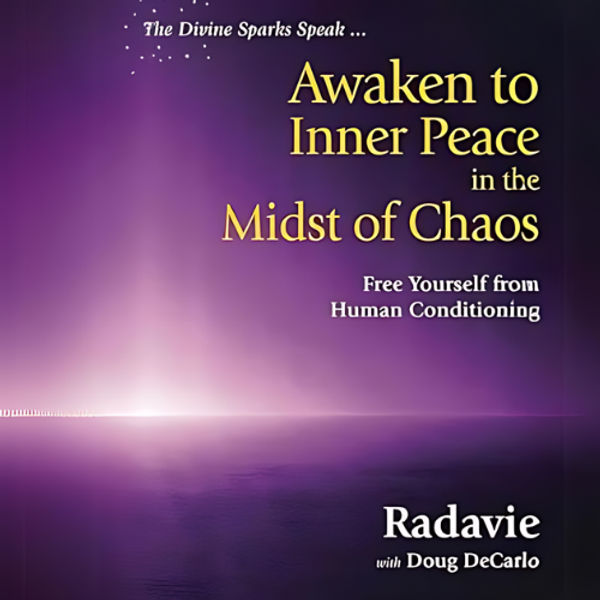
Master Inner Peace in the Midst of Chaos with Expert Guidance
Radavie Riom's course pulls these ideas into a calm, structured path, with small sections and Freedom Explorations that make practice more concrete.
Enroll in Awaken to Inner Peace in the Midst of Chaos →
Watch Before You Enroll
Learn how to become an affiliate on The Great Discovery — the best affiliate program for course creators and marketers in 2026. Start earning commissions by sharing courses you believe in.
Frequently Asked Questions
What does inner peace in the midst of chaos mean?
It means staying aware and steady even when stress is still present. The goal is not to erase difficult circumstances, but to reduce reactivity so you can respond more clearly.
How does mindfulness help with stress?
According to NCCIH, mindfulness is present-moment, nonjudgmental awareness. That matters because it interrupts the loop of rumination, and U.S. meditation use rose from 7.5% in 2002 to 17.3% in 2022.
Can a few minutes of breath meditation make a difference?
Yes. A 2026 Mindfulness / Springer Nature EEG study found measurable brainwave changes during 10 minutes of breath-watching, with effects emerging around 2 to 3 minutes and strengthening by 7 to 10 minutes.
What is radical acceptance?
Radical acceptance means acknowledging reality without adding extra resistance. It does not mean you like what is happening; it means you stop exhausting yourself by arguing with facts you cannot change right now.
How do you quiet the inner critic?
Start by noticing the critic as a pattern rather than a truth. Naming the tone, checking the evidence, and returning to breath or body awareness can create enough distance for a calmer response.
Who is the TGD course best for?
It is a good fit for learners who want a concise, reflective path into inner peace and who prefer short sections plus practice exercises. The creator's focus on inner peace and the course's Freedom Explorations support that style of learning.
Ready to Go Deeper?
You have learned the fundamentals of inner peace in chaos. This course takes you from understanding to practical application.
Start Learning Inner Peace in the Midst of Chaos on TGD →
Conclusion
Inner peace in chaos means training attention, acceptance, and small repeatable practices so stress does not control every response. The research points in the same direction: stress is widespread, mindfulness is defined as nonjudgmental awareness, and even short breath-focused sessions can shift mental state within minutes.
If you want a gentler, guided way to apply those ideas, the course turns them into small sections and Freedom Explorations you can actually use. Explore the course on TGD
Explore More on TGD
- Spiritual Growth courses
- Self Improvement courses
- TGD Success courses
- Mental/Emotional Health courses
- The Great Discovery homepage
- Radavie Riom creator page
Share Your Knowledge on The Great Discovery
Join Radavie Riom and hundreds of other creators sharing their expertise. Create and sell your own courses on TGD.