
Connect, Serve, and Ask with Clayton Hicks | TGD
Connect, Serve, and Ask is a relationship-building networking framework that replaces random pitching with a repeatable one-to-one process. It helps people build trust faster, offer value first, and make specific asks that other people can actually act on.

Connect, Serve, and Ask is a relationship-building networking framework that replaces random pitching with a repeatable one-to-one process. It helps people build trust faster, offer value first, and make specific asks that other people can actually act on.
Key Takeaways
- CSA is designed to turn transactional networking into a repeatable trust-building process.
- The strongest one-to-ones begin with common ground and active listening, not a sales pitch.
- Serving first makes future referrals and introductions feel more natural and less forced.
- H7 Network treats CSA Training as a required behavior before members contact others in its directory.
- Clayton Hicks' CSA Training gives you a clear 30-minute or 60-minute structure for running better conversations.
Table of Contents
- Understanding Connect, Serve, and Ask Networking
- Core Connect, Serve, and Ask Techniques
- Who Benefits from Learning Connect, Serve, and Ask?
- What Do Students Say?
- Is This Course Worth It?
- About the Creator
- Essential Networking Concepts
- Watch Before You Enroll
- Frequently Asked Questions
- Conclusion
- Explore More on TGD
Understanding Connect, Serve, and Ask Networking
Connect, Serve, and Ask is a trust-building networking framework, not a script for selling yourself. It matters because most people already know how to exchange business cards; they struggle to turn introductions into relationships that lead to real collaboration.
According to H7 Network, CSA is designed to move networking from random, transactional contact into repeatable trusted relationships. That matters at scale: H7 says its B2B program has passed 800 members in 27 months across 41 U.S. states and multiple countries, with nearly 600 members identified as fractional leaders, consultants, or coaches.
The broader referral economy shows the same pattern. According to the International Franchise Association and BNI mid-year report, BNI members generated more than $12.8 billion through more than 8.7 million referrals in the first half of 2025. The lesson is simple: people respond to clear, helpful, specific relationships far more than to vague outreach.
Want to Learn Connect, Serve, and Ask Step by Step?
This course on The Great Discovery covers these fundamentals in a more structured format, with a clear path from connection to value to ask.
The Great Discovery (TGD) is a global online course marketplace where creators publish courses and learners discover practical training across business, technology, wellness, and personal growth. It helps learners find focused instruction and move from interest to action.
Core Connect, Serve, and Ask Techniques
The CSA method works because it gives you a sequence. You know how to begin, how to add value, and how to ask without drifting into pressure or vagueness.
Connect through common ground
Connection starts with a shared topic, goal, or context that makes the conversation feel human. In practice, that can be a mutual contact, a shared industry problem, or a simple observation that shows you are paying attention.
Serve before you ask
Serving means listening for a need and offering something useful before you request anything in return. That could be an introduction, a resource, or a practical suggestion that helps the other person move forward.
Ask with specificity
A strong ask is concrete enough for someone else to act on. Instead of saying you are open to help, say exactly who you want to meet, what problem you solve, or what outcome would be useful.
Use intentional one-to-one formats
According to H7 Network Member Training, CSA is taught through 30-minute and 60-minute intentional 1:1 formats, broken into how to Connect, how to Serve, and how to Ask. That structure matters because it keeps the meeting focused and reduces the drift that often weakens networking conversations.
Turn conversations into trusted-relationship loops
Trusted relationships are built by repeating the same useful pattern over time. That is how networks scale: people know what to expect from you, trust that you will follow through, and are more willing to refer you to others.
Who Benefits from Learning Connect, Serve, and Ask?
CSA is most useful for people whose work depends on relationships. Because the course sits at an intermediate level, it fits learners who already understand basic networking and want a more intentional system.
Entrepreneurs and consultants
If you rely on referrals, partnerships, or repeat introductions, this framework gives you a cleaner way to run those conversations. Clayton Hicks' CSA Training is a strong starting point for this group because it turns networking into a repeatable process instead of a personality contest.
Sales, partnerships, and business development professionals
People in business development need to ask without sounding pushy and help without losing momentum. CSA gives them a structure for building trust faster, which makes later outreach and collaboration feel more natural.
Leaders and team builders
The course sits inside Entrepreneurship and Business, Leadership Development, and Self Improvement for a reason: the skill is broader than sales. Leaders who improve how they connect and ask often improve internal communication, cross-team collaboration, and external relationship quality at the same time.
Experienced networkers who want less randomness
If you already attend events or belong to referral groups but want a sharper method, CSA is relevant. H7's own growth story shows why: more than 800 members across 41 states and multiple countries have been trained around the same pattern, which suggests the model is meant to scale beyond casual networking.
What Do Students Say?
This course is new to the marketplace and hasn't collected reviews yet. Check back after launch for student feedback.
The current signal is the course design itself: practical, repeatable, and centered on one-to-one conversations rather than vague motivation.
Is This Course Worth It?
Yes, if you want a practical networking framework instead of vague advice.
It is best for learners who already see the value of relationships and want a repeatable way to run better one-to-ones. The intermediate level makes sense for people in entrepreneurship, business, leadership, or self-improvement who want structure more than theory.
It is not for someone looking for broad business strategy, advanced negotiation, or a giant catalog of unrelated tactics. If you want a narrow, relationship-first method that you can practice immediately, the fit is much better.
Verdict: this is a strong next step on TGD when you want networking that feels useful, respectful, and consistent. The combination of a clear framework, a focused creator, and a training style built around intentional conversations makes it especially practical for relationship-driven work.
About the Creator
Clayton Hicks is a focused practitioner behind a very specific networking framework. He has created 2 courses, reached 19 total learners, and holds an average rating of 4.0. His bio, Connect, Serve, and Ask™, matches the course theme closely.
View Clayton Hicks on The Great Discovery
Essential Networking Concepts
These core ideas help explain why CSA works. They are useful as a standalone reference even if you never take the course.
| Concept | What It Means | Why It Matters |
|---|---|---|
| Common ground | A shared topic, goal, or experience that starts the conversation. | It lowers friction and makes the first minutes feel natural. |
| Value first | Offer help, insight, or an introduction before asking for anything. | It creates reciprocity and makes the relationship stronger. |
| Specific ask | A clear request that the other person can understand and act on. | It reduces confusion and increases the chance of a useful response. |
| Intentional 1:1 | A structured conversation with a purpose and a set time. | It keeps networking focused instead of drifting into small talk. |
| Trusted relationship | A connection where both people believe the other will follow through. | It is the foundation of durable referrals and collaborations. |
CSA Training packages those ideas into Connect, Serve, and Ask so the process is easier to repeat in real conversations. That is why the framework is more than a slogan; it is a practical operating system for relationship-based networking.
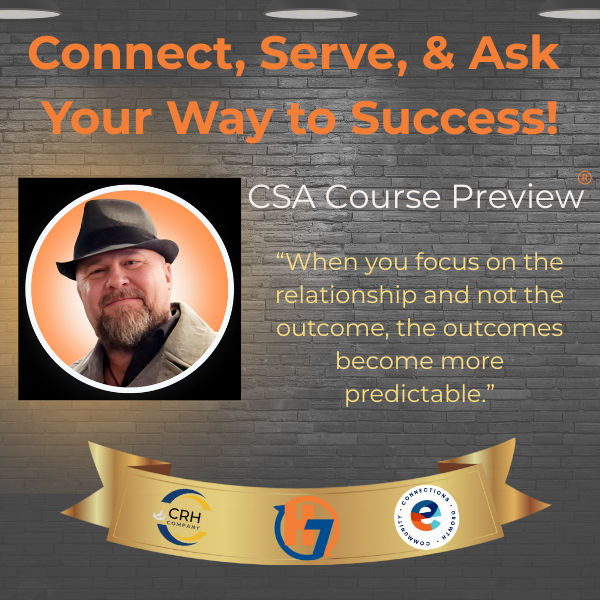
Master Connect, Serve, and Ask with Expert Guidance
Clayton Hicks' course turns the trust-first structure you just saw into a practical 1:1 workflow you can use in real conversations.
Enroll in Connect, Serve, and Ask® (CSA) Training →
Watch Before You Enroll
Before you move on, here is the affiliate overview video.
Learn how to become an affiliate on The Great Discovery — the best affiliate program for course creators and marketers in 2026. Start earning commissions by sharing courses you believe in.
Frequently Asked Questions
What does Connect, Serve, and Ask mean in networking?
It means start with a real connection, look for a way to help, and then make a clear request. According to H7 Network, the point is to move networking away from random transactions and toward trusted relationships.
How does a CSA one-to-one meeting work?
H7's member training breaks the conversation into how to Connect, how to Serve, and how to Ask. The 30-minute and 60-minute formats show that the framework is meant to be practical, not theoretical.
Why does serving first matter in referrals?
Serving first makes the exchange feel useful before it feels extractive. That matters in trust-based networks: BNI reported more than 8.7 million referrals in the first half of 2025, which shows that relationship quality scales when people trust the process.
How long should a networking conversation last?
According to H7 Network Member Training, CSA is taught in 30-minute and 60-minute intentional 1:1 formats. Shorter meetings work well for context and next steps, while longer ones help when you need a fuller relationship-building conversation.
Is CSA better for beginners or experienced networkers?
It is especially helpful for experienced networkers who want a better system, but beginners can use it too. The intermediate level suggests the course is most useful once you already understand the basics of meeting people and want more structure.
Who is the CSA Training course best for?
It is best for entrepreneurs, consultants, leaders, and other people whose work depends on referrals and introductions. If you want a repeatable way to build trusted relationships, the course is a sensible fit.
Ready to Go Deeper?
You have learned how Connect, Serve, and Ask turns networking into a repeatable trust-building process. If you want to move from understanding to practice, Clayton Hicks' course is the natural next step.
Start Learning Connect, Serve, and Ask on TGD →
Conclusion
Connect, Serve, and Ask is a practical way to make networking more human and more useful. It teaches you to start with common ground, add value before you request anything, and make asks specific enough that people can respond. That is what turns a one-off introduction into a durable relationship.
If you want the structured version, Clayton Hicks' Connect, Serve, and Ask® (CSA) Training on The Great Discovery is a natural next step: Explore the course.
Explore More on TGD
If CSA fits your learning style, these TGD categories can help you keep building related business and self-improvement skills.
- Browse Entrepreneurship and Business courses
- Browse Self Improvement courses
- Browse Leadership Development courses
- Browse TGD Success courses
- The Great Discovery homepage
- Clayton Hicks creator page
Share Your Knowledge on The Great Discovery
Join Clayton Hicks and hundreds of other creators sharing their expertise. Create and sell your own courses on TGD.