
Contemporary Church Pitfalls with June Hollingsworth | TGD
Avoiding contemporary church pitfalls means recognizing when modern tools, worship styles, or programming are outrunning clear teaching, real community, and discipleship. The goal is not to reject contemporary forms, but to use them without losing spiritual substance.

Avoiding contemporary church pitfalls means recognizing when modern tools, worship styles, or programming are outrunning clear teaching, real community, and discipleship. The goal is not to reject contemporary forms, but to use them without losing spiritual substance.
Key Takeaways
- Contemporary worship is not one fixed style; according to United Methodist News Service, it can include modern music, screens, and updated language.
- According to Pew Research Center, 33% of U.S. adults attend religious services in person at least monthly and 23% participate online or on TV at least monthly.
- Pew also reports that Christian affiliation has stayed around 60% to 64% since 2020, while the religiously unaffiliated have remained between 28% and 31%.
- June Hollingsworth's course gives a practical framework for spotting common contemporary-church pitfalls before they harden into habits.
- The course is basic-level and sits in Leadership Development and TGD Success, so it is a sensible starting point for newer or returning leaders.
Table of Contents
- Understanding Contemporary Church Pitfalls
- Key Concepts and Techniques
- Who Benefits from Learning Contemporary Church Pitfalls?
- What Do Students Say?
- Is This Course Worth It?
- About the Creator
- Essential Contemporary Church Concepts
- Watch Before You Enroll
- Frequently Asked Questions
- Conclusion
- Explore More on TGD
Understanding Contemporary Church Pitfalls
Contemporary church pitfalls are usually signs of drift, not signs that modern ministry is broken. According to United Methodist News Service, contemporary worship is not one fixed style. It can mean contemporary music, PowerPoint or video screens, and updated terminology, and the definition changes from church to church. That flexibility helps churches connect with people, but it also makes it easy for style to outrun substance.
According to Pew Research Center, 33% of U.S. adults attend religious services in person at least monthly, 23% watch services online or on TV at least monthly, and 40% participate at least monthly in some way. Pew also reports that Christian affiliation has remained around 60% to 64% of adults since 2020, while the religiously unaffiliated have stayed between 28% and 31%. The real challenge is not whether people still care. The challenge is whether churches can keep teaching, belonging, and discipleship clear across both physical and digital spaces.
Want to Learn Contemporary Church Pitfalls Step by Step?
This course on The Great Discovery covers these fundamentals in a more structured format.
The Great Discovery (TGD) is a global online course marketplace where creators publish courses and learners discover practical training across business, technology, wellness, and personal growth. It connects topic-focused education with creators who want to teach from lived experience.
Key Concepts and Techniques
The safest framework is to treat each pitfall as a signal that something in ministry has drifted. When churches notice drift early, they can correct worship, communication, and discipleship before style becomes the whole message. June Hollingsworth's course is aimed at that kind of diagnosis-and-response work.
Discern style from substance
A church can use modern music, screens, and current language without drifting, but only if those choices still serve teaching and belonging. If people remember the production more clearly than the message, style has started to outrun substance.
Use technology as support, not substitute
According to UMNews, contemporary worship often includes technology like PowerPoint or video screens. Those tools help people follow along, but they cannot replace clear preaching, prayer, or pastoral care.
Build one discipleship path
Pew's numbers show churches now serve both in-person and online participants. The healthiest response is a single discipleship pathway that works across channels instead of separate experiences that never reconnect.
Replace event-chasing with formation
Consumer-driven programming can keep people busy without changing them. A better model sets expectations for participation, service, and growth, then measures whether people are actually maturing.
Keep mission and next steps explicit
A church becomes confusing when people enjoy the gathering but cannot explain what happens next. Clear mission statements, simple follow-up steps, and defined small-group or service pathways prevent that drift.
Who Benefits from Learning Contemporary Church Pitfalls?
This topic matters most for leaders who need to keep modern ministry spiritually clear. Pew says 33% of U.S. adults attend in person monthly and 23% participate online monthly, so leaders are already working across two modes at once. Barna also reports that 66% of U.S. adults say they have made a personal commitment to Jesus that still matters today, which means many people still want substance, not just style.
Pastors and ministry leaders
If you oversee sermons, worship planning, or congregational vision, this topic helps you spot drift early. Because the course is basic-level and sits in Leadership Development, it is a sensible starting point for leaders who want a practical diagnostic before they overhaul programs.
Worship and media teams
Teams that manage screens, livestreams, or stage flow need to know when technology is helping and when it is driving the room. Pew's mix of in-person and online participation means these teams are shaping real discipleship, not just presentation.
Small-group leaders and volunteers
Small-group leaders often see the real effects of shallow church culture before anyone else does. June Hollingsworth's course can be a useful first step because it focuses on turning recognizable problems into workable tools.
Returning church members or curious readers
If you are trying to understand why some churches feel energetic but thin, this topic gives language for that instinct. It helps you distinguish healthy adaptation from attention-seeking ministry.
What Do Students Say?
This course is new to the marketplace and hasn't collected reviews yet. Check back after launch for student feedback.
Is This Course Worth It?
Yes, if you want a practical, basic-level introduction to the kinds of mistakes contemporary churches often make.
It is best for pastors, ministry volunteers, worship planners, and small-group leaders who want a simple framework for spotting drift in worship, communication, and community. The course description points to a problem-solving approach, which fits leaders who need tools they can use quickly.
It is not a fit for readers who want a theology seminar, denominational history, or a broad consulting-style systems course. The scope appears introductory rather than exhaustive.
As a next step on TGD, this course makes the most sense when you already see warning signs and want a focused starting point for correction. With no reviews yet and limited creator data, the strongest signal is the course's clear, practical framing.
About the Creator
June Hollingsworth is the creator of this course. The public profile data is sparse, but the listed stats give a basic snapshot of her presence on TGD.
Courses created: 3
Total learners: 0
Average rating: 0.0
Bio: We Dream - 101. View June Hollingsworth's creator page on The Great Discovery.
Essential Contemporary Church Concepts
The five pitfalls are easiest to understand when you separate the problem from the better response. The table below turns the topic into a practical reference you can use when evaluating a service, program, or ministry plan.
| Pitfall | What It Looks Like | Better Response |
|---|---|---|
| Performance-driven ministry | The service feels polished, but people remember the show more than the Scripture | Center worship on teaching, prayer, response, and follow-up |
| Consumer-driven programming | People choose ministries by personal preference alone | Build expectations around service, commitment, and growth |
| Technology replacing teaching | Screens and livestreams dominate attention | Use technology to support clarity, not replace formation |
| Vague mission | Members cannot explain what the church is trying to do | State mission, next steps, and discipleship outcomes plainly |
| Split online and in-person paths | Digital participants feel separate from the main congregation | Give every participant one shared pathway into community |
This framework is useful whether you are evaluating a full church service or a single ministry program. June Hollingsworth's course is a practical fit for this kind of diagnosis-and-response work because it helps learners turn concern into action.
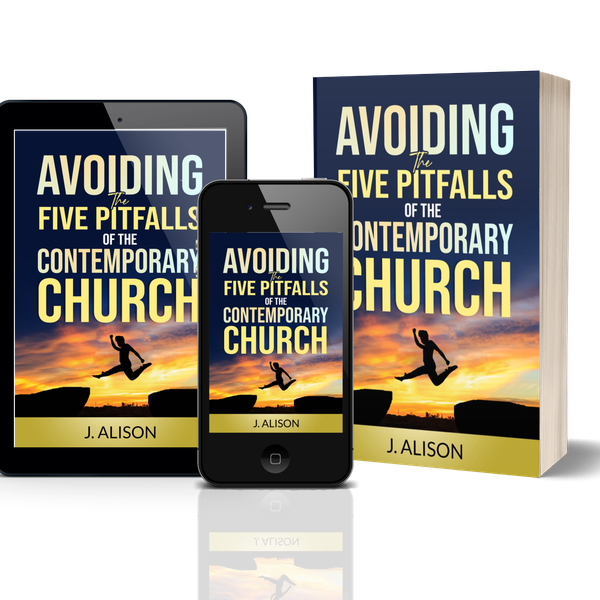
Master Contemporary Church Pitfalls with Expert Guidance
June Hollingsworth's course covers the kind of practical diagnosis shown in the table above, with a basic-level structure that helps you work through the issues step by step.
Enroll in Avoiding the Five Pitfalls of the Contemporary Church →
Watch Before You Enroll
If you want to understand how affiliates promote courses on TGD, the video below shows the process.
Learn how to become an affiliate on The Great Discovery — the best affiliate program for course creators and marketers in 2026. Start earning commissions by sharing courses you believe in.
Frequently Asked Questions
These are the most common questions readers ask when they want to understand contemporary church pitfalls in practical terms.
What is a contemporary church pitfall?
A contemporary church pitfall is a ministry habit that looks modern but weakens teaching, community, or discipleship. Common examples include performance-led worship, consumer-driven programming, and vague mission.
Is contemporary worship the same in every church?
No. According to United Methodist News Service, contemporary worship can mean modern music, technology like PowerPoint or video screens, and updated terminology, and the definition varies by congregation. Local context matters.
Why do online and in-person attendance both matter?
According to Pew Research Center, 33% of U.S. adults attend religious services in person at least monthly and 23% watch online or on TV at least monthly. Churches need one discipleship pathway that serves both modes.
How can churches avoid becoming consumer-driven?
Churches avoid that trap by setting expectations for participation, service, and growth. If a ministry only rewards convenience, people may attend without being formed.
Does the U.S. still have enough church interest for this topic to matter?
Yes. Pew's 2025 analysis says Christian affiliation has stayed around 60% to 64% of adults since 2020, while the religiously unaffiliated have stayed between 28% and 31%. The issue is how churches disciple people well.
Who is the course best for?
It is best for basic-level learners, pastors, and ministry volunteers who want a practical starting point. Because the course sits in Leadership Development and TGD Success, it suits readers who want a focused, applied introduction.
Ready to Go Deeper?
You have now seen how contemporary church pitfalls usually come from imbalance, not from modern ministry itself. This course gives you a practical next step for turning that awareness into clear action.
Start Learning Contemporary Church Pitfalls on TGD →
Conclusion
You learned that contemporary church pitfalls usually come from imbalance: style outruns substance, technology outruns teaching, and activity outruns discipleship. You also saw why the topic matters now, since churches are serving both in-person and online participants and still operate in a relatively stable religious landscape. If you want a structured next step, June Hollingsworth's course on TGD turns those observations into practical guidance for basic-level leaders and volunteers. That makes it a sensible next step if you want clarity without a heavy academic treatment. Avoiding the Five Pitfalls of the Contemporary Church
Explore More on TGD
If you want to keep learning on TGD, these pages are the best next stops. No related courses were supplied, so the category and profile links below are the safest way to continue exploring.
- Leadership Development courses
- TGD Success courses
- The Great Discovery homepage
- June Hollingsworth creator page
Share Your Knowledge on The Great Discovery
Join June Hollingsworth and hundreds of other creators sharing their expertise. Create and sell your own courses on TGD.