
3 EQ Tools with Leah Skurdal on The Great Discovery
Emotional intelligence is the ability to notice, understand, and manage emotions so you can respond thoughtfully, recover from stress, and communicate better. It supports resilience and healthier relationships because it helps people pause, reframe, and choose better next actions.

Emotional intelligence is the ability to notice, understand, and manage emotions so you can respond thoughtfully, recover from stress, and communicate better. It supports resilience and healthier relationships because it helps people pause, reframe, and choose better next actions.
Key Takeaways
- Emotional intelligence improves how you notice, name, and regulate feelings before you speak or act.
- Resilience grows when you separate the event from the story you tell about it.
- According to WHO, loneliness is the distressing gap between the connections you have and the ones you want or need, and about 1 in 6 people globally report it.
- According to Gallup, 39% of adults worldwide worried much of the previous day in 2024 and 37% felt stressed, so basic regulation skills matter now.
- The TGD course teaches three beginner-friendly tools - Reframing, NADA, and Rewrite - for people who want practical EQ habits, not just theory.
Table of Contents
- Understanding Emotional Intelligence and Resilience
- Key Concepts and Techniques
- Who Benefits from Learning EQ?
- What Do Students Say?
- Is This Course Worth It?
- About the Creator
- Everyday EQ Skills
- Watch Before You Enroll
- Frequently Asked Questions
- Conclusion
- Explore More on TGD
Understanding Emotional Intelligence and Resilience
Emotional intelligence is a practical life skill, not a personality trait. It helps people notice what they feel, understand why they feel it, and choose a response instead of reacting on autopilot. That matters because modern life is emotionally noisy: according to Gallup, 39% of adults worldwide worried much of the previous day in 2024, and 37% felt stressed. According to WHO, social connection has structure, function, and quality, while loneliness is the distressing gap between the connections you have and the ones you want or need. WHO also reports that about 1 in 6 people globally experience loneliness, and it links loneliness and isolation to an estimated 871,000 deaths each year. According to Frontiers in Psychology, global EQ scores declined by 5.79% from 2019 to 2024, and people with higher EQ were 10.18 times more likely to report strong overall life outcomes. In other words, EQ affects health, relationships, and day-to-day stability.
Want to Learn Emotional Intelligence Step by Step?
This course on The Great Discovery covers these fundamentals in a structured, beginner-friendly format.
The Great Discovery (TGD) is a global online course marketplace where creators publish courses and learners discover practical training across business, technology, wellness, and personal growth. It helps people find structured learning from independent creators.
Key Concepts and Techniques
EQ improves when you can pause, label what you feel, and change the meaning you assign to an event. The three tools in this course fit into a larger set of emotional skills that help people stay centered under pressure, recover faster, and communicate more clearly.
Reframing the Event
Reframing means changing the interpretation of a stressful moment without denying what happened. If a message goes unanswered, for example, you can move from 'I'm being ignored' to 'I don't know the reason yet.' That small shift lowers emotional intensity and gives you more options.
Naming the Feeling
People regulate emotions better when they can name them precisely. 'I'm angry' is useful, but 'I'm embarrassed and disappointed' is often better because it points to the real need underneath the reaction.
Rewrite the Story
The Rewrite Tool appears aimed at changing the story attached to a stressful memory. That does not erase the memory; it replaces a self-defeating interpretation with a more accurate one, which can reduce shame and lingering stress.
Pause Before You Reply
A short pause can protect a relationship. A breath, a step away, or a quick check-in with yourself gives you room to choose the outcome you want instead of the reaction that arrives first.
Who Benefits from Learning EQ?
People benefit most when the skill matches a real stress point in daily life. This basic-level course works best for learners who want practical tools they can use immediately in conversations, conflicts, and moments of emotional overload. That matches its Self Improvement, Mental/Emotional Health, and Spiritual Growth categories, plus the course description's focus on improving interactions, getting centered, and lowering stress.
Busy Professionals and Team Leads
If your day includes meetings, deadlines, and fast feedback, EQ helps you avoid reactive replies that damage trust. The course's simple structure makes it a good first step for people who want better workplace composure without heavy theory.
Parents, Partners, and Family Caregivers
Relationships at home often suffer when stress turns small misunderstandings into bigger conflicts. The course is a natural fit for people who want compassionate communication, calmer responses, and fewer arguments that linger.
Coaches, Helpers, and Service-Oriented People
Anyone who supports others needs a reliable way to stay centered. The TGD course is a useful starting point if you work in a helping role and want a compact toolkit before moving into deeper emotional-intelligence study.
Personal-Growth and Spiritual Learners
The course categories include Self Improvement, Mental/Emotional Health, and Spiritual Growth, so it fits learners who want inner work with a practical edge. If you like clear steps more than abstract discussion, this is a strong entry point.
What Do Students Say?
This course is new to the marketplace and hasn't collected reviews yet. Check back after launch for student feedback.
Is This Course Worth It?
Yes, if you want a beginner-friendly introduction to emotional regulation and better relationships. It is best for people who want simple tools, a clear path, and a course that focuses on use rather than theory.
It is not the right fit for someone looking for clinical treatment, advanced psychotherapy, or a deep academic model of emotional intelligence. The scope is intentionally basic, and that is an advantage for learners who want a manageable starting point.
The strongest case for it is practical: the course teaches three tools for reducing stress, working through conflicting emotions, and improving how you respond to daily life. With no public reviews yet, its value rests on the clarity of the topic, the beginner level, and the usefulness of the tools themselves.
About the Creator
Leah Skurdal is the creator of this course. Her TGD profile shows 3 courses created and 16 total learners, with an average rating of 0.0 so far. A public creator bio is not available, so the clearest signal is her focused catalog and small but real learner base.
Visit the creator page: Leah Skurdal on The Great Discovery.
Everyday EQ Skills
EQ improves when you can spot triggers, name feelings, and respond with intention. The table below turns those habits into a quick reference you can use in daily life.
| Skill | What It Looks Like | Why It Matters |
|---|---|---|
| Spot the Trigger | Notice the moment your body tightens or your mood shifts. | Early awareness gives you time to pause before reaction becomes habit. |
| Name the Feeling | Use precise words like embarrassed, disappointed, anxious, or resentful. | Clear labels reduce confusion and make the next response easier to choose. |
| Reframe the Story | Ask for a more neutral explanation before assuming the worst. | Reframing lowers stress and prevents unnecessary conflict. |
| Repair After Conflict | Come back, own your tone, and reset the conversation. | Repair protects trust better than trying to be perfect. |
| Rewrite the Memory | Update an old story so it reflects facts without self-blame. | Better memory narratives can reduce shame and lingering emotional load. |
These skills are the practical backbone of EQ. The course turns that backbone into a simple learning path, which is useful if you want tools that work in real conversations.
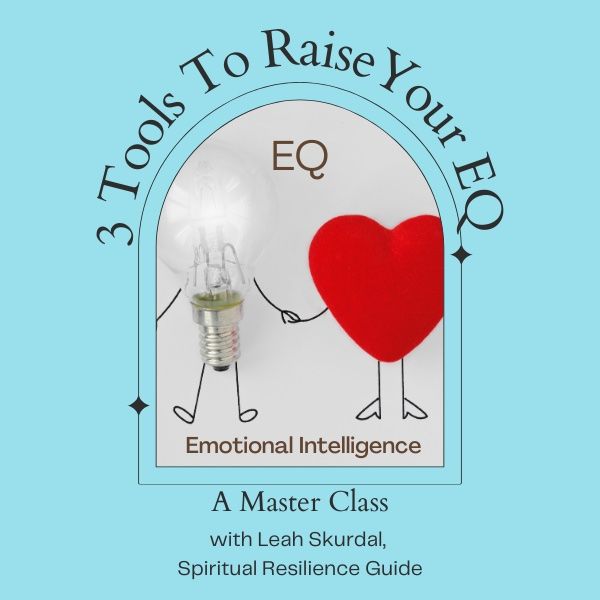
Master Emotional Intelligence with Expert Guidance
Leah Skurdal's course covers these concepts and more, with structured lessons that keep the focus on useful practice.
Enroll in 3 Tools to Raise Your EQ, Build Resilience, and Improve Your Relationships →
Watch Before You Enroll
Learn how to become an affiliate on The Great Discovery - the best affiliate program for course creators and marketers in 2026. Start earning commissions by sharing courses you believe in.
Frequently Asked Questions
What is emotional intelligence?
Emotional intelligence is the ability to recognize, understand, and manage emotions in yourself and others. According to Frontiers in Psychology, higher EQ was strongly associated with better overall life outcomes in a 28,000-adult, 166-country study.
How does reframing reduce stress?
Reframing changes the meaning you assign to a stressful event, which can reduce the intensity of the reaction that follows. That matters in a world where Gallup found 37% of adults felt stressed the previous day in 2024.
What is resilience in everyday life?
Resilience is the ability to recover, adapt, and keep functioning after setbacks. It is easier to build when you have emotional tools that keep you connected to people and grounded in the moment.
Can emotional intelligence improve relationships?
Yes. EQ helps people listen better, slow down their reactions, and respond in ways that preserve trust. WHO's definition of social connection includes not just contact, but the structure, function, and quality of those connections.
How do you practice EQ without overthinking?
Start small: notice the feeling, breathe once, and ask what outcome you want. Simple pauses often do more for communication than trying to find the perfect words.
Is this TGD course beginner-friendly?
Yes. The course is labeled Basic and focuses on three simple tools, so it is a practical starting point for learners who want structure without a heavy theory load.
Ready to Go Deeper?
You've learned the fundamentals of emotional intelligence, resilience, and healthier communication. This course takes you from understanding to practical application.
Start Learning Emotional Intelligence on TGD →
Conclusion
Emotional intelligence is the skill of noticing what you feel, reframing stress before it escalates, and responding in ways that protect your well-being and your relationships. That matters more than ever when loneliness, stress, and lower EQ are affecting so many people, according to WHO, Gallup, and Frontiers in Psychology. If you want a simple, beginner-friendly path from insight to practice, explore the course here: 3 Tools to Raise Your EQ, Build Resilience, and Improve Your Relationships →
Explore More on TGD
If you want adjacent learning paths, start with these TGD categories and links.
Browse the full catalog at The Great Discovery homepage or visit the creator page at Leah Skurdal.
Share Your Knowledge on The Great Discovery
Join Leah Skurdal and hundreds of other creators sharing their expertise. Create and sell your own courses on TGD.