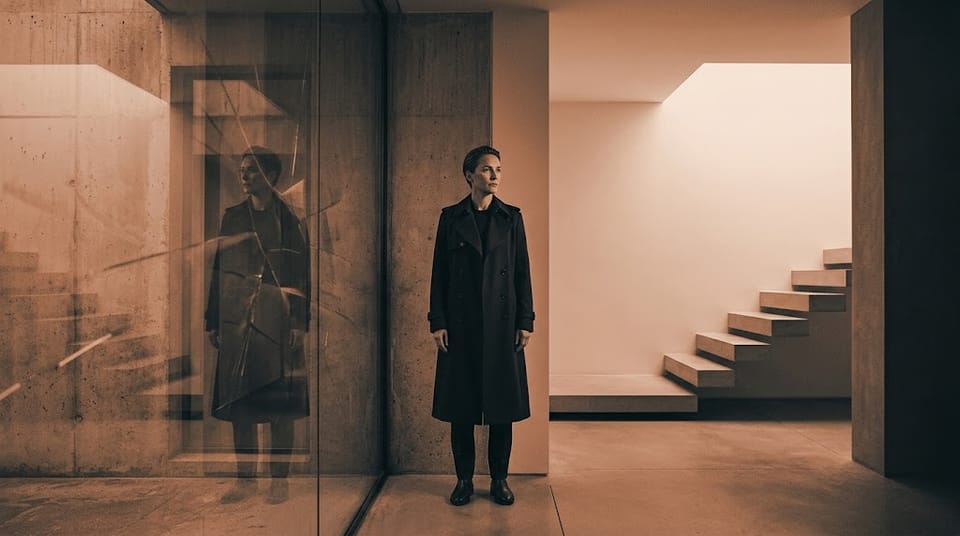
How to Find Peace Amid Busyness: Crafting Care for Your Soul | The Great Discovery
Soul care amid busyness is the intentional practice of slowing down, setting boundaries, and prioritizing rest and meaningful relationships over relentless productivity. It involves saying no without guilt, receiving help with grace, and releasing perfectionism to rebuild faith-filled connection.

Soul care amid busyness is the intentional practice of slowing down, setting boundaries, and prioritizing rest and meaningful relationships over relentless productivity. It involves saying no without guilt, receiving help with grace, and releasing perfectionism to rebuild faith-filled connection.
Key Takeaways
- According to Gallup's 2026 research, 40% of workers worldwide experienced significant stress daily in 2025, signaling a widespread wellbeing crisis.
- Setting boundaries and learning to say no without guilt is foundational to sustainable soul care and personal peace.
- Busyness often masks deeper emotional wounds and disconnection that require intentional, compassionate healing.
- Rest is not laziness—it's essential maintenance for physical, emotional, and spiritual health and resilience.
- Cynthia McQuade-Brinkman's podcast guides you through practical soul care practices designed to rebuild joy and connection step by step.
Table of Contents
- Understanding Busyness and Soul Care
- Key Concepts and Techniques for Soul Care
- Who Benefits from Learning Soul Care?
- What Do Students Say?
- Is This Course Worth It?
- About the Creator
- Soul Care Dimensions and Recovery Paths
- Watch Before You Enroll
- Frequently Asked Questions
- Conclusion
- Explore More on TGD
Understanding Busyness and Soul Care
Busyness has become a cultural badge of honor, but its measurable cost to wellbeing has reached a crisis point. According to Gallup's 2026 State of the Global Workplace, global employee engagement fell to 20%—its lowest level since 2020—while 40% of workers worldwide experienced significant stress the previous day. In the United States, 49% of workers report struggling in life compared to just 46% thriving, marking the lowest thriving rate in Gallup's recorded data.
The interconnected roots run deep. Pew Research Center data reveals that while 77% of Americans recognize that getting enough sleep is highly important, only 33% actually achieve it regularly. Stress and lack of time or motivation are the primary barriers keeping people from caring for their health. The CDC confirms that approximately one-third of U.S. adults do not get adequate sleep, and this deficit is linked to anxiety, depression, obesity, heart disease, stroke, and increased injury risk.
Soul care reframes the conversation entirely. Instead of glorifying productivity, it asks: What if you honored your own wellbeing as a non-negotiable priority? This shift from external achievement to internal nourishment is where peace begins.
Want to Learn Soul Care Step by Step?
Cynthia McQuade-Brinkman's podcast covers these fundamentals in a structured, compassionate format designed for women feeling the weight of constant busyness.
The Great Discovery (TGD) is a global online course marketplace where creators publish courses and learners discover practical training across business, technology, wellness, and personal growth. Whether you're looking for skill development or spiritual deepening, TGD connects you with expert-led instruction.
Key Concepts and Techniques for Soul Care
Soul care is built on a foundation of practical techniques that help you reclaim your time, energy, and joy. These are not abstract concepts but lived practices you can implement immediately.
The Art of Saying No Without Guilt
Saying no is not rejection; it is honoring your capacity. People who struggle with busyness often say yes to everything because they fear disappointing others or appearing selfish. In reality, saying no to what doesn't align with your values creates space for what does. Practice: This week, notice one obligation that drains rather than energizes you, and practice declining future iterations with a clear, kind boundary.
Receiving Help With Grace
Many overextended people focus entirely on giving and struggle to receive. Accepting help is not weakness—it is wisdom and reciprocity. When someone offers support, practice accepting fully rather than deflecting with "I'm fine" or offering help in return immediately. This allows others to experience the joy of giving and lightens your load authentically.
Rest as Spiritual Practice
Rest is not earned through productivity; it is a fundamental human need and spiritual discipline. Whether you frame it religiously or secularly, rest restores your nervous system, clarifies your thinking, and reconnects you to joy. Rest can mean sleep, silence, time in nature, creative play, or simply sitting without agenda.
Releasing Perfectionism
Perfectionism masquerades as excellence but is actually fear in disguise. It keeps you spinning endlessly because nothing ever feels complete. Soul care invites you to define "good enough" in your work, relationships, and home, then stop. This single shift frees enormous time and emotional energy.
Rebuilding Faith-Filled Connection
Busyness isolates you from both others and yourself. Reconnection happens through vulnerability, shared meals, honest conversation, and presence. Whether faith-based or relational, this practice involves showing up for others and letting them show up for you, even in messy seasons.
Who Benefits from Learning Soul Care?
Soul care is especially valuable for people whose busyness is costing them joy, health, and meaningful connection. If you recognize yourself in any of these patterns, this podcast is designed for you.
Women Feeling Overextended and Emotionally Disconnected
Women often absorb the emotional labor of family and community while managing their own careers and ambitions. This course directly addresses the exhaustion and emotional depletion that follows. Cynthia McQuade-Brinkman's podcast is designed specifically for women navigating this intersection, offering validation and practical relief.
People Recovering from Burnout or Emotional Wounds
Burnout and unhealed emotional wounds fuel chronic busyness—you stay busy to avoid feeling the pain. This podcast incorporates trauma-informed approaches to help you examine what's beneath the busyness and heal at the root. If you're in recovery, this is foundational work.
Anyone Seeking to Rebuild Meaningful Relationships
Busyness erodes relationships through absence and distraction. People who want to restore depth and presence in their connections will find practical pathways in this course. The focus on receiving help and showing vulnerability directly addresses relationship repair.
Those Struggling with Sleep, Stress, or Health Decline
If you're experiencing the physical symptoms of chronic stress—poor sleep, anxiety, health issues—soul care offers both the practices and the permission structure to slow down. This course teaches you to see rest not as laziness but as health maintenance.
What Do Students Say?
This course is new to the marketplace and hasn't collected reviews yet. Check back after launch for student feedback from listeners who have walked through Cynthia's guidance on soul care and busyness.
Is This Course Worth It?
This course is worth your time if you recognize that busyness is costing you more than it's giving you—in joy, health, relationships, or peace.
Best for: Women feeling overextended, anyone struggling with chronic stress or sleep deprivation, people carrying unresolved emotional wounds, and those genuinely ready to examine why they stay busy and what they're avoiding. The somatic and trauma-informed approach is especially valuable if you've experienced burnout or emotional pain.
Not ideal for: People not ready to look at the emotional roots of their busyness, those expecting a quick productivity hack rather than deep work, or anyone unwilling to slow down enough to listen to a podcast regularly.
Verdict: This is a strong next step if you've tried external solutions (better scheduling, time management apps) and still feel empty or exhausted. Cynthia McQuade-Brinkman's combination of somatic practice and trauma-informed guidance offers a pathway from understanding your patterns to actually changing them. The podcast format allows you to absorb her wisdom while driving, cooking, or walking—integrating care directly into your existing life rather than adding another obligation.
About the Creator
Cynthia McQuade-Brinkman specializes in somatic and trauma-informed programs—approaches that integrate body awareness and healing from emotional wounds. She has created 5 courses reaching 7 learners with an average rating of 4.0 stars. Her focus on body-aware, trauma-sensitive approaches makes her distinctly positioned to guide listeners through both the practical and emotional dimensions of finding soul care amid life's rush.
Cynthia's background in somatic work means she understands that busyness is not just a time-management issue—it's a nervous system state and often a trauma response. Her teaching honors that reality and offers pathways that address mind, body, and spirit together.
Learn more about Cynthia's other courses: Visit Cynthia's Creator Profile on The Great Discovery
Soul Care Dimensions and Recovery Paths
Understanding the different patterns of busyness helps you identify which form affects you most—and what soul care approach will help you most. Use this table to recognize your pattern and the practices that address it.
| Busyness Pattern | What It Looks Like | Soul Care Response |
|---|---|---|
| Productive Busyness | Driven by achievement and accomplishment; fear of being "lazy" | Define "enough" and celebrate completion rather than moving to the next goal |
| Obligatory Busyness | Saying yes to everyone out of guilt, fear of disappointing others | Practice firm boundaries and learn to say no with kindness |
| Escape Busyness | Staying busy to avoid emotions, relationships, or painful memories | Examine underlying wounds and seek compassionate support for healing |
| Perfectionist Busyness | Never satisfied with results; always improving, tweaking, redoing | Release the illusion of control and embrace "good enough" |
| Relational Busyness | Prioritizing everyone else's needs before your own; difficulty receiving | Receive help with grace and allow reciprocal care in relationships |
| Spiritual Busyness | Even prayer, meditation, or self-care becomes a checklist | Rest becomes a form of devotion; presence replaces performance |
Recognizing which pattern (or combination of patterns) drives your busyness is the first step toward soul care. Cynthia McQuade-Brinkman's podcast guides you through identifying your pattern, understanding its roots, and practicing the specific recovery tools that address it.

Master Soul Care with Expert Guidance
Cynthia McQuade-Brinkman's podcast covers each of these dimensions with structured episodes you can listen to at your own pace. Her somatic approach helps you not just understand these patterns but actually experience the shifts in your body and daily life.
Watch Before You Enroll
Learn how to become an affiliate on The Great Discovery—the best affiliate program for course creators and marketers in 2026. Start earning commissions by sharing courses you believe in.
Frequently Asked Questions
What exactly is soul care?
Soul care is the intentional practice of honoring your wellbeing—physical, emotional, and spiritual—by setting boundaries, resting without guilt, and nurturing meaningful connection. It's the opposite of the myth that constant productivity equals worth.
Is it too late to slow down after years of chronic busyness?
No. Your nervous system and your relationships can heal at any age. The first step is recognizing the pattern and choosing differently. Many people find that even small changes—one boundary, one "no," one good night's sleep—create a cascade of improvement.
How can I say no without disappointing people or seeming selfish?
Saying no is an act of honesty and respect. You disappoint others by overcommitting and delivering less-than-present care. A clear, kind "no" allows people to adjust and find help elsewhere, while a resentful "yes" poisons the relationship. Practice: "I appreciate you thinking of me. I'm not able to take this on, but I believe in your ability to find the right support."
What is the connection between unhealed emotional wounds and chronic busyness?
Many people stay busy to avoid feeling pain, loneliness, or shame. Busyness is an effective anesthetic—until your body breaks down from the stress. Healing wounds allows you to rest without anxiety or avoidance; this is where Cynthia's trauma-informed approach becomes crucial.
How long does it take to see results from practicing soul care?
Many people notice shifts within days—better sleep, less irritability, more presence. Deeper changes in how you relate to busyness and self-worth take weeks to months of consistent practice. The podcast is designed to be ongoing; you can return to episodes as you need them.
Is this podcast suitable for people who are not actively religious or spiritual?
Yes. While the podcast draws on faith language, the core practices—rest, boundaries, connection, presence—are universal. You can adapt the spiritual framework to match your beliefs or practice these as secular wellness practices.
Conclusion
Busyness is not a time-management problem; it's a soul-care deficit. You've learned that 40% of global workers experience chronic stress, that sleep deprivation and overextension are linked to serious health impacts, and that the antidote is not more discipline but more rest, boundaries, and connection. Cynthia McQuade-Brinkman's podcast on The Great Discovery provides a structured, compassionate pathway to shift from glorifying busyness to honoring your own wellbeing. If you're ready to reclaim joy and rebuild meaningful relationships, the podcast is your next step.
Ready to Go Deeper?
You've learned the fundamentals of soul care and why busyness has become a wellness crisis. Cynthia's podcast takes you from understanding to practicing these shifts in your real life—with guidance, validation, and the permission you've been waiting for.
Start Learning Soul Care on TGD →
Explore More on The Great Discovery
- More Courses in TGD Success
- More Courses in Spiritual Growth
- More Courses in Women's Empowerment
- Explore All Courses by Cynthia McQuade-Brinkman
- Browse The Great Discovery
Share Your Knowledge on The Great Discovery
Join Cynthia McQuade-Brinkman and hundreds of other creators sharing their expertise on TGD. Build your audience and create meaningful impact by launching your own course.