Finding My Hero Within with Amy Thurman | TGD
Self-advocacy is the practice of understanding your needs, expressing them clearly, and taking part in decisions that affect your life. In empowerment work, it becomes a skill for setting boundaries, requesting support, and turning setbacks into deliberate action.
Self-advocacy is the practice of understanding your needs, expressing them clearly, and taking part in decisions that affect your life. In empowerment work, it becomes a skill for setting boundaries, requesting support, and turning setbacks into deliberate action.
Key Takeaways
- Self-advocacy turns personal needs into clear requests, choices, and boundaries.
- According to the CDC, over 61 million U.S. adults, or 1 in 4, live with a disability, so access and accommodation skills matter widely.
- According to SAGE Journals and MDPI, barriers like limited practice, low expectations, and communication difficulty make self-advocacy a learnable skill, not a fixed trait.
- Amy Thurman's ebook combines memoir with practical exercises, so readers can connect lived experience to daily reflection.
- The Great Discovery lists the course at Basic level, which makes it a sensible starting point for beginners who want guidance without jargon.
Table of Contents
- Understanding Self-Advocacy and Empowerment
- Key Concepts and Techniques for Self-Advocacy
- Who Benefits from Learning Self-Advocacy?
- What Do Students Say?
- Is This Course Worth It?
- About the Creator
- Self-Advocacy and Resilience Practices
- Watch Before You Enroll
- Frequently Asked Questions
- Conclusion
- Explore More on TGD
Understanding Self-Advocacy and Empowerment
Self-advocacy means knowing what you need and speaking up in a way that helps others respond. It matters because it affects health care, school, work, relationships, and daily decision-making.
According to the CDC, over 61 million U.S. adults, or 1 in 4, have a disability, and access gaps still affect many of them. According to SAGE Journals, students with disabilities often have limited opportunities to develop and practice self-advocacy skills because barriers still shape daily life. A 2026 scoping review in MDPI found recurring obstacles such as limited knowledge, fewer chances to make decisions, reduced power from guardianship, communication difficulty, and low expectations.
That context shows why empowerment is not just a feeling. It is a repeatable habit that helps people ask for support, protect their energy, and make better choices under pressure. The more often people practice naming their needs, the more natural it becomes to act on them.
Want to Learn Self-Advocacy and Empowerment Step by Step?
This ebook organizes the mindset and practice behind that kind of growth into a guided format on The Great Discovery.
The Great Discovery (TGD) is a global online course marketplace where creators publish courses and learners discover practical training across business, technology, wellness, and personal growth.
Key Concepts and Techniques for Self-Advocacy
Self-advocacy works best when you break it into repeatable habits. The strongest habits are simple enough to repeat when life feels messy and specific enough to produce a better result.
Naming the Need
People often know something feels wrong before they can explain it clearly. Naming the need turns vague frustration into a concrete request, such as asking for clarification, rest, or a different process.
Polish the Mirror Reflection
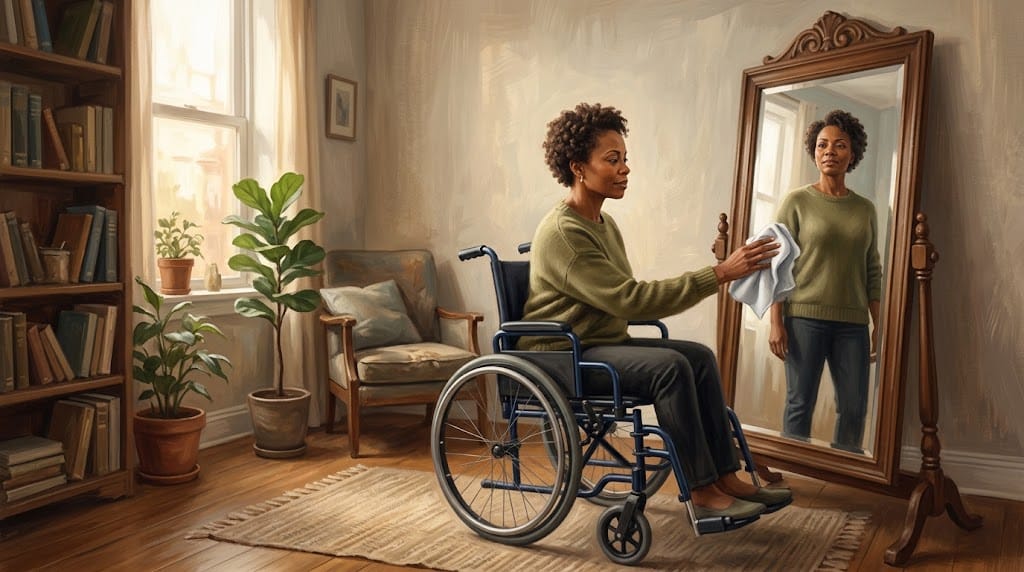
Amy Thurman's Polish the Mirror idea centers honest self-reflection. That kind of reflection helps people notice what they are avoiding, what they value, and which actions support healing.
Reframing Setbacks
Setbacks become easier to manage when you treat them as data rather than proof of failure. A broken neck, a health setback, or another disruption can become a starting point for the next useful action.
Boundary Setting and Support Mapping
Boundaries protect energy, and support maps remind you who can help with what. That combination is practical because empowerment usually improves when people know when to ask, whom to ask, and what success looks like.
Who Benefits from Learning Self-Advocacy?
People at different stages of recovery and growth benefit from this topic in different ways. Some need language for a new challenge, while others need a framework that helps them stay steady during a long transition.
People Recovering from Injury or Health Setbacks
People rebuilding after a major setback often need a model for turning pain into action. Amy Thurman's memoir-plus-guide format can help because it shows how reflection and persistence work together in real life.
Readers Who Want a Basic, Story-Led Starting Point
If you want a gentle introduction, the TGD ebook is a strong place to begin. Its Basic level, spiritual growth focus, and practical exercises make it approachable for readers who want structure without advanced jargon.
Caregivers, Family Members, and Advocates
Caregivers and advocates can use this topic to support someone else's autonomy without taking over. The language of self-advocacy helps families ask better questions, listen more closely, and respect the person they are helping.
People Exploring Personal Growth Through Reflection
Readers drawn to self-improvement and mindset work often want more than motivation. This topic gives them a usable process for reflection, action, and follow-through, which makes growth more durable.
What Do Students Say?
This course is new to the marketplace and hasn't collected reviews yet. Check back after launch for student feedback.
Is This Course Worth It?
Yes, if you want a reflective, beginner-friendly introduction to self-advocacy and recovery through personal story.
It is best for readers who learn through memoir, value practical exercises, and want a gentle path into personal growth. The book's focus on reflection and empowerment makes that path feel human instead of academic.
It is not for readers who want clinical therapy, advanced disability policy analysis, or a data-heavy professional training program. Those readers will likely want something more specialized and technical.
The strongest case for this course is its fit for beginners who want lived experience plus usable tools. If that is the learning style you need, it is a strong next step on TGD.
About the Creator
Amy Thurman is an Inspirational Speaker | Best-Selling Author. She has created 2 courses for 3 learners, and the profile lists an average rating of 0.0.
Her background fits a memoir-plus-practice format because the course is rooted in lived experience and reflection. That makes the ebook feel grounded, personal, and easy to approach for a first step into the topic.
Self-Advocacy and Resilience Practices
These practices turn a difficult life event into something you can work with. They are useful because they help people move from reaction to response, which is where lasting change usually begins.
| Practice | What It Builds | How to Use It |
|---|---|---|
| Name the need | Clarity | State the problem in one sentence before asking for help |
| Ask for accommodation | Access | Request the support that removes a barrier to participation |
| Journal the pattern | Self-awareness | Track triggers, wins, and repeatable lessons after stressful moments |
| Set a boundary | Energy protection | Say no or slow down when a demand would drain your capacity |
| Reframe the setback | Persistence | Identify the next action instead of stopping at disappointment |
| Build a support map | Resilience | List the people, professionals, and resources you can call on |
These practices mirror the kind of work described in Finding My Hero Within. The course takes a personal story and turns it into habits readers can actually try.

Master Self-Advocacy and Empowerment with Expert Guidance
Amy Thurman's course expands these ideas with memoir, reflection, and practical exercises. If the table helped you see how self-advocacy works in real life, this is the structured next step.
Enroll in Finding My Hero Within: A Journey from Incapacitation to Empowerment ebook →
Watch Before You Enroll
If you want to understand how TGD affiliate sharing works, the short video below walks through the process.
Learn how to become an affiliate on The Great Discovery — the best affiliate program for course creators and marketers in 2026. Start earning commissions by sharing courses you believe in.
Frequently Asked Questions
What is self-advocacy?
Self-advocacy is the ability to identify your needs, communicate them clearly, and take part in decisions that affect your life. According to SAGE Journals, people with disabilities often have limited chances to practice these skills, which is why they matter in everyday settings.
Why does self-advocacy matter after an injury?
After a major injury, people often have to navigate appointments, accommodations, and changing identity at the same time. The CDC says over 61 million U.S. adults live with a disability, so this is a broad everyday skill, not a rare exception.
What is the Polish the Mirror philosophy?
It is Amy Thurman's reflection practice for looking honestly at your life and choosing growth-oriented action. The Great Discovery describes the ebook as including practical tools and exercises tied to that philosophy.
How can journaling help resilience?
Journaling turns stress into observations you can actually use. It helps you notice patterns, separate facts from fear, and choose the next best step.
Who benefits most from memoir-based self-improvement?
Readers who learn through story often absorb practical ideas more quickly when they are tied to lived experience. Memoir works well when the subject involves healing, identity, or self-advocacy.
Is the TGD ebook good for beginners?
Yes. The course is labeled Basic and is positioned around practical tools and exercises, so it is a friendly starting point for readers who want structure without advanced jargon.
Ready to Go Deeper?
You have learned how self-advocacy, reflection, and resilience work together. This ebook is the natural next step if you want that learning in a structured, beginner-friendly format.
Start Learning Self-Advocacy on TGD →
Conclusion
Self-advocacy is a practical life skill, not a personality trait. The evidence here shows why it matters: many adults live with disability, barriers still limit practice, and people need concrete ways to ask, decide, and recover.
Amy Thurman's ebook brings those ideas into a personal, accessible format through memoir and exercises. If you want a gentle next step after learning the basics, Finding My Hero Within is a logical place to continue.
Explore More on TGD
If you want to keep exploring after this ebook, start with related topic collections and the creator's profile.
The Great Discovery homepage and Amy Thurman's creator page are useful starting points if you want more context.
Share Your Knowledge on The Great Discovery
Join Amy Thurman and hundreds of other creators sharing their expertise. Create and sell your own courses on TGD.