Healthy Aging with Jack Zoldan on TGD
Healthy aging means preserving energy, immunity, mobility, and daily function through movement, sleep, nutrition, breathing, and consistent habits. According to WHO, inactivity and unhealthy routines raise chronic-disease risk, while regular healthy behaviors help delay decline and support well-b...
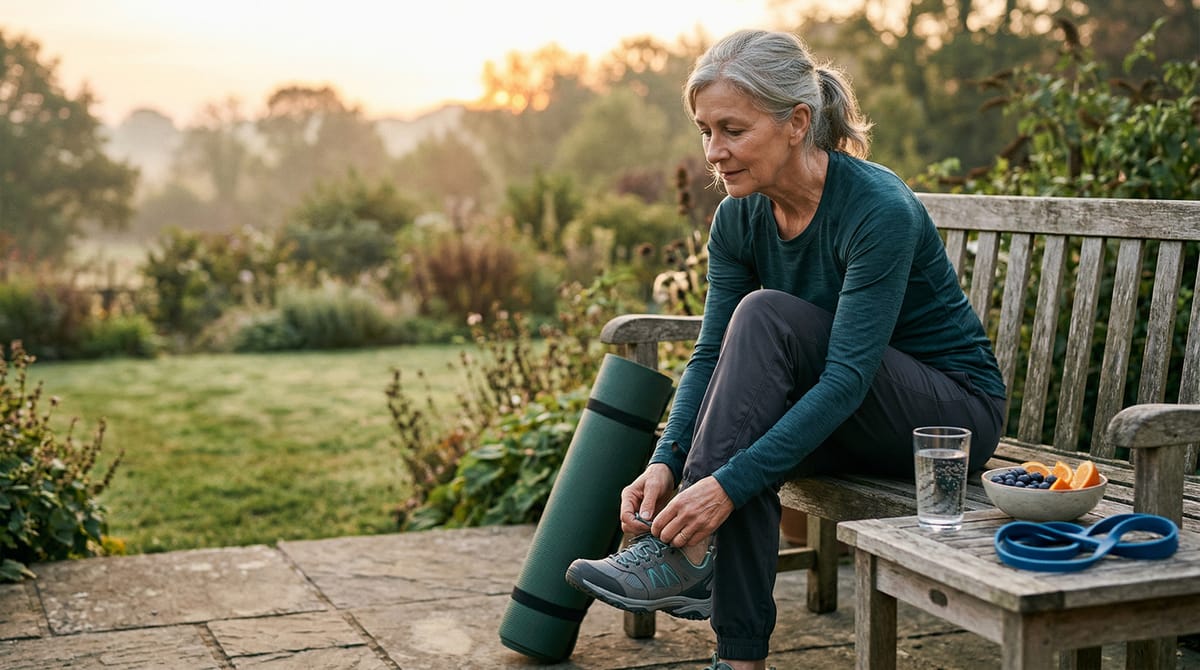
Healthy aging means preserving energy, immunity, mobility, and daily function through movement, sleep, nutrition, breathing, and consistent habits. According to WHO, inactivity and unhealthy routines raise chronic-disease risk, while regular healthy behaviors help delay decline and support well-being.
Key Takeaways
- WHO says global life expectancy reached 73.3 years in 2024, so health span matters as much as lifespan.
- WHO reports that 31% of adults worldwide are physically inactive, and regular movement helps support energy, mobility, and long-term function.
- MedlinePlus says adults generally need 7 to 9 hours of sleep, and sleep helps the body restore energy and strengthen immunity.
- This course is Basic, General Audiences, and focused on Nutrition, Habit Change, and Health and Fitness, so it fits beginners who want practical guidance.
- Jack Zoldan's Internal Medicine background gives the course a clinical lens on everyday health habits.
Table of Contents
- Understanding Healthy Aging and Energy
- Key Concepts and Techniques for Healthy Aging
- Who Benefits from Learning Healthy Aging?
- What Do Students Say?
- Is This Course Worth It?
- About the Creator
- Essential Healthy-Aging Habits
- Watch Before You Enroll
- Frequently Asked Questions
- Conclusion
- Explore More on TGD
Understanding Healthy Aging and Energy
Healthy aging is the process of keeping your body and mind functional enough to live well as the years add up. It focuses on energy, mobility, resilience, and independence, not just on living longer. That matters because WHO reports that global life expectancy reached 73.3 years in 2024, and the number of people aged 60 and older is projected to reach 1.4 billion by 2030.
According to WHO, 31% of adults worldwide are physically inactive, and insufficient activity is linked to a 20% to 30% higher risk of death compared with being sufficiently active. WHO also says balanced diet, regular physical activity, and avoiding tobacco reduce noncommunicable disease risk, improve physical and mental capacity, and delay care dependency. The big takeaway is that healthy aging is built from small, repeatable routines. Movement, food, sleep, and recovery work together, and the benefits compound over time.
Want to Learn Healthy Aging Step by Step?
This course on The Great Discovery turns the basics of healthy aging into a structured path you can follow.
The Great Discovery (TGD) is a global online course marketplace where creators publish practical courses and learners discover training across business, technology, wellness, and personal growth.
Key Concepts and Techniques for Healthy Aging
The most useful healthy-aging methods are the ones you can repeat every day. A good plan usually combines movement, recovery, food, breathing, and prevention habits rather than relying on one single solution.
Daily Movement and Stretching
Stretching helps preserve range of motion, reduce stiffness, and make everyday movement feel easier. A short routine in the morning, after sitting, or before bed can keep joints and muscles from feeling locked up.
Movement also matters because long periods of inactivity are common. WHO's inactivity data shows why even simple habits like walking, mobility work, and standing breaks can make a meaningful difference.
Nutrition and Supplement Basics
Balanced meals provide the raw material for energy, repair, and immune function. In practice, that means building meals around protein, fiber, vegetables, and enough total food to support your activity level.
Supplements can help fill specific gaps, but they work best as support tools, not substitutes. The course description's focus on supplements makes most sense when you see them as one part of a wider lifestyle system.
Breathing for Energy and Stress Control
Proper breathing is a small habit with an outsized effect. Slow, controlled breathing can help you settle stress, pace exertion, and recover more efficiently after activity.
When stress rises, healthy routines are easier to skip. Breathing practice can make the rest of the plan easier to sustain because it lowers the friction between intention and action.
Sleep and Recovery Rhythms
Sleep is where the body restores energy and strengthens immune defenses. MedlinePlus says adults 18 and older generally need 7 to 9 hours of sleep per night.
That means recovery is not a luxury. It is part of the health plan, especially if you want energy, resilience, and slower functional decline over time.
Who Benefits from Learning Healthy Aging?
This topic is most useful for people who want practical health habits they can actually keep. Because the course is marked Basic and sits in Nutrition, Habit Change, and Health and Fitness, it is designed for learners who want accessible foundations rather than advanced medical detail.
Beginners Rebuilding a Routine
If you are starting from scratch, this is a reasonable entry point. Jack Zoldan's course is built for people who need a simple, structured overview of the habits that support energy and resistance to illness.
The basic level matters here. It suggests the course is meant to make healthy aging understandable before it asks you to optimize anything.
Adults Focused on Long-Term Energy
People who feel their energy slipping often need a habit reset more than a dramatic intervention. WHO's data on physical inactivity and longer life expectancy shows why everyday routines matter so much.
This course is a logical starting point if you want to turn that broad public-health logic into personal action.
Caregivers, Coaches, and Family Educators
The course description says learners will be able to explain the rationale and methods for lifelong health and well-being. That makes it relevant for people who help others make sense of healthy routines.
If you teach, coach, or care for someone else, a basic-level framework can help you talk about stretching, breathing, sleep, and nutrition without overwhelming them.
Wellness Learners Who Want Simple Structure
Some people do not need a high-science course. They need a clear map of what to do first, what to repeat, and what to leave out until the basics are stable.
This course fits that use case well because it prioritizes practical lifestyle habits over technical complexity.
What Do Students Say?
This course is new to the marketplace and hasn't collected reviews yet. Check back after launch for student feedback.
Is This Course Worth It?
Yes, if you want a beginner-friendly introduction to practical healthy-aging habits.
This course is best for people who want a structured overview of stretching, breathing, nutrition, supplements, and everyday routines without a steep learning curve. The Basic level and the Nutrition, Habit Change, and Health and Fitness categories all point to an approachable foundations course.
It is not the right fit if you want advanced clinical training, disease-specific protocols, or a heavily technical curriculum. As a next step on TGD, it is strongest for learners who want clear guidance from a creator with medical experience and do not need a large body of student reviews to validate the topic fit.
About the Creator
Jack Zoldan is listed as an Internal Medicine Doctor. The available profile data is sparse, but it does show a clinical background plus a small creator catalog.
- Courses created: 5
- Total learners: 2
- Average rating: 0.0
Essential Healthy-Aging Habits
These are the habit levers that matter most for healthy aging. Stretching, walking, nutrition, sleep, breathing, and prevention routines work together to protect energy, resistance, and daily function.
| Habit | What It Supports | Simple Way to Start | Why It Matters |
|---|---|---|---|
| Stretching | Mobility and comfort | Do five minutes after waking or after sitting | Reduces stiffness and makes movement easier to maintain |
| Daily walking or moderate movement | Cardiovascular and metabolic health | Walk after meals or take short movement breaks | Helps counter inactivity, which WHO says affects 31% of adults |
| Balanced meals | Energy and nutrient intake | Build plates around protein, vegetables, and fiber-rich carbohydrates | Supports stable energy and better recovery |
| Sleep routine | Recovery and immune support | Keep a regular bedtime and target 7 to 9 hours | MedlinePlus says sleep helps restore energy and strengthen the immune system |
| Breathing practice | Stress regulation and pacing | Use slow diaphragmatic breaths for a few minutes | Can help lower tension and make healthy routines easier to sustain |
| Vaccination and basic prevention | Immune defense | Stay current on recommended vaccines and hygiene habits | CDC includes vaccination as part of healthy routines that enhance immunity |
This habit logic is exactly why the course can be useful: it translates general health advice into a system you can practice without overcomplicating it.
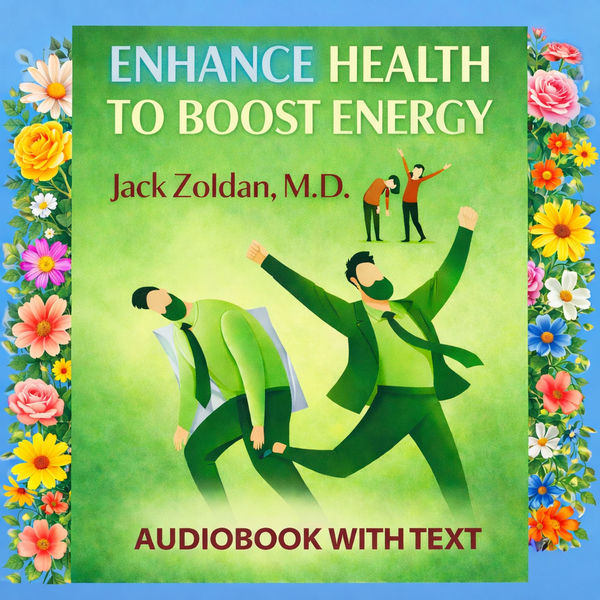
Master Healthy Aging with Expert Guidance
Jack Zoldan's medical background and the course's focus on stretching, supplements, breathing, and lifestyle habits make the lessons easy to connect to everyday practice.
Enroll in ENHANCE HEALTH TO BOOST ENERGY, INCREASE DISEASE RESISTANCE, AND SLOW THE AGING PROCESS →
Watch Before You Enroll
If you want to understand TGD's creator ecosystem, this short video is worth watching first. It gives context for how the platform supports course discovery and promotion.
Learn how to become an affiliate on The Great Discovery — the best affiliate program for course creators and marketers in 2026. Start earning commissions by sharing courses you believe in.
Frequently Asked Questions
These are the most common questions readers ask before they start. The answers below focus on the topic itself and on whether this basic-level TGD course fits your needs.
What is healthy aging?
Healthy aging means maintaining the functional ability that supports well-being in later life. WHO says balanced diet, regular physical activity, and avoiding tobacco help reduce noncommunicable disease risk and preserve capacity.
How does exercise support healthy aging?
WHO says 31% of adults worldwide are physically inactive, and insufficient activity is linked to a 20% to 30% higher risk of death compared with being sufficiently active. Regular movement supports energy, mobility, and long-term function.
Why does sleep matter for immunity?
MedlinePlus says sleep helps the body restore energy and strengthen the immune system by producing cytokines. Adults 18 and older generally need 7 to 9 hours of sleep per night.
Do supplements replace good nutrition?
No. Supplements can help fill specific gaps, but they work best alongside balanced meals, movement, sleep, and other healthy routines. They are support tools, not a substitute for the full habit system.
What habits improve disease resistance?
CDC says healthy routines that enhance immunity include eating well, being physically active, maintaining a healthy weight, getting enough sleep, not smoking, avoiding excessive alcohol, and vaccination.
Is this TGD course good for beginners?
Yes. The course is marked Basic and General Audiences, and its Nutrition, Habit Change, and Health and Fitness categories point to a foundations-first approach for learners who want practical guidance.
Ready to Go Deeper?
You've learned how movement, sleep, nutrition, breathing, and consistency work together. This course is the next step if you want that foundation organized into a simple, beginner-friendly path on TGD.
Start Learning Healthy Aging on TGD →
Conclusion
Healthy aging is not one habit; it is the effect of many small habits working together. Movement, sleep, balanced eating, breathing, and recovery all help preserve energy, immunity, and daily function. WHO and CDC data make the case clearly: inactivity is common, and healthy routines matter. If you want a guided introduction that turns these ideas into action, Jack Zoldan's course is a practical next step on TGD. Explore the course on The Great Discovery
Explore More on TGD
To keep learning, start with adjacent category pages and the creator profile. These links help you compare related health and habit content on the platform.
- Browse TGD Success courses
- Browse Nutrition courses
- Browse Habit Change courses
- Browse Health and Fitness courses
- Visit Jack Zoldan's creator page
- Visit The Great Discovery homepage
Share Your Knowledge on The Great Discovery
Join Jack Zoldan and hundreds of other creators sharing their expertise. Create and sell your own courses on TGD.