Healthy Eating and Exercise for Life | Rico Caveglia | TGD
Healthy eating and exercise habits stick when the plan is simple, repeatable, and built for ordinary life. The best routines use realistic activity targets, nutrient-dense meals, and habit design that makes consistency easier than quitting.
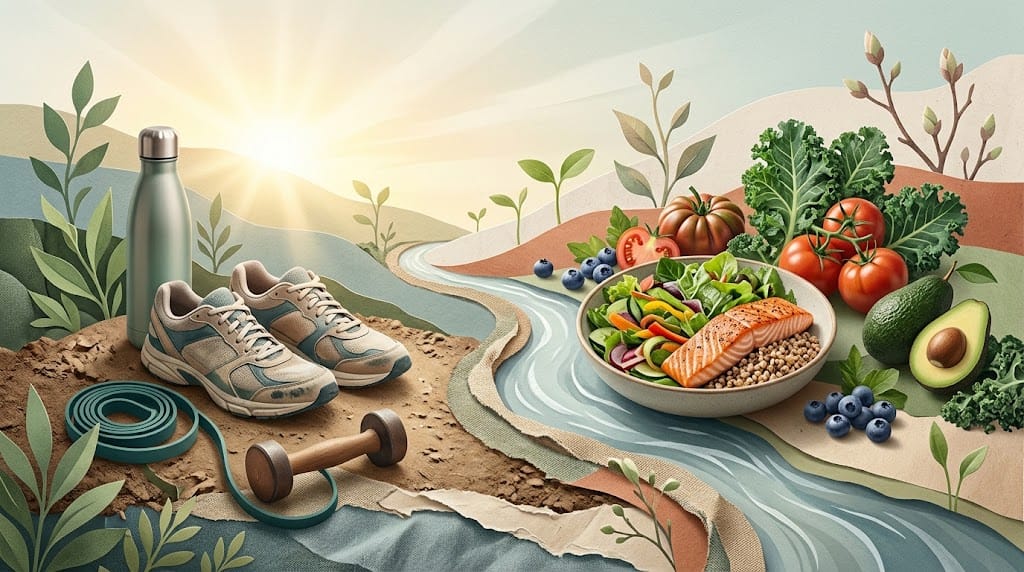
Healthy eating and exercise habits stick when the plan is simple, repeatable, and built for ordinary life. The best routines use realistic activity targets, nutrient-dense meals, and habit design that makes consistency easier than quitting.
Key Takeaways
- The CDC recommends at least 150 minutes of moderate-intensity aerobic activity each week plus 2 days of muscle-strengthening activity.
- According to the WHO, 31% of adults worldwide and 80% of adolescents do not meet physical activity recommendations, which shows how common the consistency problem is.
- Healthy eating is easier to maintain when meals are built around whole, nutrient-dense foods such as vegetables, fruits, whole grains, healthy fats, dairy, and protein foods.
- Lasting success comes from small routines that fit real schedules, not from all-or-nothing efforts that collapse under stress.
- This TGD course is positioned as a basic, practical guide for people who want a structured way to stay motivated and keep following through.
Table of Contents
- Understanding Healthy Eating and Exercise for Life
- Key Concepts and Techniques
- Who Benefits from Learning Healthy Eating and Exercise for Life?
- What Do Students Say?
- Is This Course Worth It?
- About the Creator
- Habit-Building Frameworks for Lifelong Health
- Watch Before You Enroll
- Frequently Asked Questions
- Conclusion
- Explore More on TGD
Understanding Healthy Eating and Exercise for Life
This topic is about making healthy choices repeatable enough to outlast motivation. According to the CDC, adults should get at least 150 minutes of moderate-intensity aerobic activity each week plus 2 days of muscle-strengthening activity, and those minutes can be broken into smaller chunks. That matters because many people fail not from lack of ambition, but from trying to run a plan that does not fit normal life.
According to the WHO, 31% of adults worldwide and 80% of adolescents do not meet physical activity recommendations, and inactivity could cost health systems about US$300 billion from 2020 to 2030. Nutrition matters just as much. The WHO says healthy diets should be adequate, balanced, moderate, and diverse, while the CDC recommends more whole, nutrient-dense foods and fewer highly processed foods, added sugars, sodium, and refined carbohydrates. The practical goal is not perfection. It is building a routine simple enough to keep using when work, family, travel, and stress show up.
Want to Learn Healthy Eating and Exercise Step by Step?
This course on The Great Discovery turns the basics of sustainable nutrition and movement into a structured path you can follow.
The Great Discovery (TGD) is a global online course marketplace where creators publish courses and learners discover practical training across business, technology, wellness, and personal growth.
Key Concepts and Techniques
Lasting progress comes from systems, not bursts of effort. The concepts below help explain why healthy routines succeed or fail, and they give you practical ways to make change stick.
Minimum Effective Dose
The smallest useful version of a habit is often the one that survives. A short walk after lunch, two strength sessions each week, and one meal upgrade per day can create momentum without overwhelming your schedule.
When people start too hard, they often burn out before the behavior becomes normal. A smaller target is easier to repeat, and repetition is what builds identity and fitness.
Nutrient Density and Plate Balance
A sustainable eating pattern is built around foods that deliver more nutrition per calorie. The CDC guidance points toward vegetables, fruits, whole grains, healthy fats, dairy, and protein foods, while limiting highly processed foods, added sugars, sodium, and refined carbohydrates.
Simple plate balance makes the idea practical. If most meals include a strong protein source, a fiber-rich plant food, and a reasonable portion of starch or fat, the plan becomes easier to maintain.
Habit Stacking and Environment Design
New habits stick faster when they attach to something you already do. Walking after coffee, stretching after brushing your teeth, or prepping lunch right after dinner makes the action feel automatic instead of optional.
Environment matters too. Shoes by the door, fruit on the counter, and healthier snacks in reach reduce friction and make the better choice easier.
Motivation, Identity, and Recovery
People do not need perfect motivation. They need a simple identity: someone who returns to the routine after missed days instead of quitting over them.
This is where the course's mind, body, and spiritual framing is useful. It treats adherence as a whole-person problem, not just a willpower problem.
Who Benefits from Learning Healthy Eating and Exercise for Life?
This topic helps anyone who wants consistency instead of repeated restarts. It is especially useful when the goal is to make healthy living feel doable on a normal week.
Beginners who need a clear starting point
If you want a simple roadmap, this topic removes guesswork. The TGD course is a strong starting point because it is labeled Basic and focuses on proven strategies, motivation, and implementation.
That makes it a better fit for someone who wants to begin without drowning in technical detail. The Health and Fitness and Self Improvement categories also signal a practical, everyday focus.
Busy adults with inconsistent routines
People with packed schedules need plans that survive interruptions. The CDC's recommendation of 150 minutes can be broken into smaller chunks, which makes the goal more realistic for work, family, and travel.
For this group, the value is not in doing more. It is in doing enough consistently that health gains compound over time.
People trying to reduce long-term health risk
CDC says about one in two U.S. adults lives with a chronic disease, and only one in four fully meet the aerobic and muscle-strengthening guidelines. That makes this topic relevant before a health scare forces a reset.
Healthy eating and regular activity are protective habits, not cosmetic extras. They help lower risk while also improving energy, mood, and daily function.
Coaches, caregivers, and family role models
If you help other people stay on track, this material gives you language for realistic support. You can encourage small wins, reduce pressure, and build routines that people can actually keep.
The course may be useful here too, especially if you want a beginner-friendly way to explain the basics to others without overcomplicating the message.
What Do Students Say?
This course is new to the marketplace and hasn't collected reviews yet. Check back after launch for student feedback. For now, the clearest signals are the basic skill level, the wellness-focused categories, and the creator's long teaching background.
Is This Course Worth It?
Yes, if you want a practical, beginner-friendly way to make healthy habits stick.
It is best for readers who need structure, motivation, and a whole-person framing of wellness. The basic skill level and the Health and Fitness plus Self Improvement categories point to an accessible starting point rather than a technical deep dive.
It is not the best fit if you want advanced sports programming, clinical nutrition guidance, or a data-heavy training manual. With no student reviews yet, the strongest case for it is the course promise itself: a focused system for designing and keeping a routine you can live with.
About the Creator
Rico Caveglia is the creator behind this course. The available profile data is sparse, but it does show a small catalog and a wellness-oriented teaching lane.
- Courses created: 3
- Total learners: 2
- Average rating: 4.0
The creator bio is not listed on the course page. You can view the full creator profile here: Rico Caveglia on TGD.
Habit-Building Frameworks for Lifelong Health
These frameworks explain why good intentions fail and how to make progress durable. The table below is a quick reference for the ideas that matter most when you want a healthy routine to last.
| Framework | What It Means | How to Use It |
|---|---|---|
| 150-minute activity target | The CDC baseline for weekly moderate aerobic activity | Break it into smaller sessions across the week |
| Strength training twice weekly | Movement that builds and preserves muscle and function | Use bodyweight, bands, or weights on two separate days |
| Nutrient density | Foods that deliver more vitamins, minerals, fiber, and protein | Base meals on vegetables, fruits, whole grains, and protein |
| Moderation | Eating in a way that avoids extreme restriction or excess | Plan realistic portions and regular meals |
| Habit stacking | Attaching a new behavior to an existing routine | Walk after coffee or prep lunch after dinner |
| Environment design | Changing your surroundings to make the right choice easier | Keep healthy options visible and low-effort |
These ideas line up with the course's focus on motivation, inspiration, and follow-through. If you understand the table, the course becomes a more useful implementation guide instead of just a source of encouragement.
Master Healthy Eating and Exercise with Expert Guidance
Rico Caveglia's course builds on these fundamentals with a structured wellness approach that connects planning, motivation, and follow-through.
Enroll in How to Stick with a Healthy Eating and Exercise Program for Life →
Watch Before You Enroll
Learn how to become an affiliate on The Great Discovery — the best affiliate program for course creators and marketers in 2026. Start earning commissions by sharing courses you believe in.
Frequently Asked Questions
What is the best way to stick with healthy eating and exercise for life?
The best approach is to make the plan small, specific, and repeatable. According to the CDC, adults should aim for 150 minutes of moderate activity each week plus 2 strength days, and healthy diets should follow WHO's principles of adequacy, balance, moderation, and diversity.
How much exercise do adults need each week?
The CDC recommends at least 150 minutes of moderate-intensity aerobic activity each week plus 2 days of muscle-strengthening activity. The weekly minutes can be split into smaller chunks, and some activity is better than none.
What foods make a healthy eating pattern easier to maintain?
Whole, nutrient-dense foods make the pattern easier to sustain. The CDC recommends vegetables, fruits, whole grains, healthy fats, dairy, and protein foods while limiting highly processed foods, added sugars, sodium, and refined carbohydrates.
Why do people struggle to stay consistent with wellness routines?
Most people struggle because the plan is too ambitious, too rigid, or too disconnected from daily life. WHO data show that 31% of adults worldwide and 80% of adolescents still do not meet activity recommendations, which shows how common the adherence problem is.
Is this TGD course good for beginners?
Yes. The course is labeled Basic and is built around proven strategies, motivation, and practical implementation, which makes it a good starting point for readers who want a clear entry point.
Can small daily changes really make a difference?
Yes, because habits compound. The CDC notes that activity can be broken into smaller chunks, and routines that fit normal life are more likely to be repeated long enough to matter.
Ready to Go Deeper?
You've learned the core habits that make healthy eating and exercise sustainable. This course takes those ideas from overview to practical application.
Start Learning Healthy Eating and Exercise on TGD →
Conclusion
Healthy eating and exercise stick when the plan is small enough to repeat and clear enough to follow. The core lesson here is that activity targets, nutrient-dense meals, and habit design matter more than short bursts of intensity. The CDC and WHO data show why consistency is worth building: many adults still miss basic activity guidelines, and healthy diets protect against chronic disease risk. If you want a structured next step, Rico Caveglia's course on The Great Discovery translates those ideas into a practical, beginner-friendly system. How to Stick with a Healthy Eating and Exercise Program for Life
Explore More on TGD
Keep exploring the same wellness path. These TGD links can help you move from one useful page to the next.
- Health and Fitness courses
- Self Improvement courses
- The Great Discovery homepage
- Rico Caveglia creator page
Share Your Knowledge on The Great Discovery
Join Rico Caveglia and hundreds of other creators sharing their expertise. Create and sell your own courses on TGD.