How the Body Heals with Kristi Tornabene | TGD
The body heals through coordinated repair systems: inflammation control, tissue regeneration, immune response, rest, nutrition, movement, and stress regulation. When those systems are overloaded, pain and decline can persist; when supported, the body can recover, adapt, and stay more resilient.
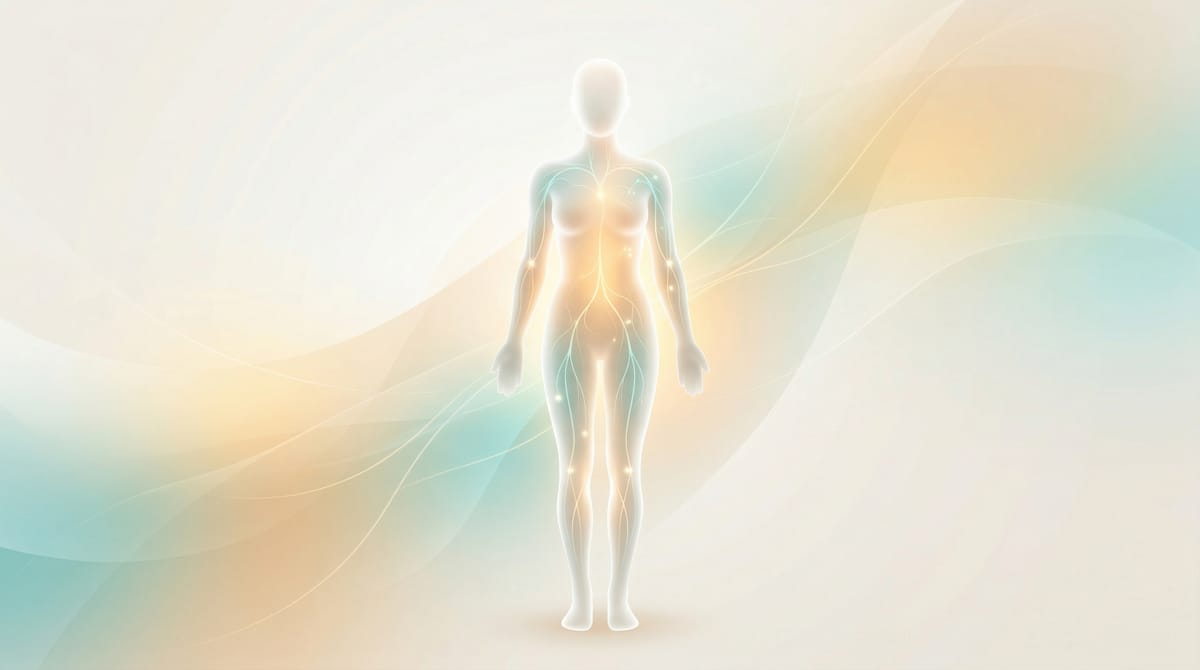
The body heals through coordinated repair systems: inflammation control, tissue regeneration, immune response, rest, nutrition, movement, and stress regulation. When those systems are overloaded, pain and decline can persist; when supported, the body can recover, adapt, and stay more resilient.
Key Takeaways
- Healing is a whole-system process, not a single fix, because sleep, movement, nutrition, and stress all influence recovery.
- Chronic pain is common, and that makes daily habit support more important than waiting for symptoms to disappear on their own.
- Stable blood sugar matters because metabolic swings can affect energy, circulation, and tissue repair.
- Sleep is a recovery tool, not a luxury, because the immune system and inflammatory signals work differently when rest is poor.
- Kristi Tornabene's advanced TGD course is a strong next step for learners who want a structured way to turn healing ideas into practice.
Table of Contents
- Understanding How the Body Heals
- Key Concepts and Techniques for Healing
- Who Benefits from Learning How the Body Heals?
- What Do Students Say?
- Is This Course Worth It?
- About the Creator
- Essential Body-Healing Concepts
- Watch Before You Enroll
- Frequently Asked Questions
- Conclusion
- Explore More on TGD
Understanding How the Body Heals
Healing is a whole-system process, not a single fix. The body repairs tissue, regulates inflammation, clears waste, and restores balance through sleep, movement, nutrition, and nervous system recovery. When one part of the system is stressed, other parts often compensate, which is why pain, fatigue, and stiffness can show up together.
According to the CDC, 51.6 million U.S. adults experienced chronic pain in 2021, and CDC diabetes data shows 40.1 million people in the United States have diabetes. Those numbers matter because healing is not just about one symptom. It often involves blood sugar control, tissue recovery, and the habits that keep inflammation from staying switched on.
NIH research has also shown that sleep supports immune function and helps the body coordinate inflammatory responses. That is why recovery often improves when people stop treating rest as optional. The practical lesson is simple: the body is adaptable, but it needs repeated support to move from strain toward repair. This makes vibrant aging a process of alignment, not luck.
Want to Learn How the Body Heals Step by Step?
This course on The Great Discovery covers these fundamentals in a more structured format, with practical guidance you can apply as you learn.
The Great Discovery (TGD) is a global online course marketplace where creators publish courses and learners discover practical training across business, technology, wellness, and personal growth.
Key Concepts and Techniques for Healing
The most useful healing ideas are the ones you can actually repeat. These concepts turn broad wellness advice into a practical framework for improving pain, energy, and resilience over time.
Inflammation Is a Signal, Not the Whole Story
Inflammation helps the body respond to injury, infection, and stress. The problem is chronic or unresolved inflammation, which can keep tissues irritated and make pain feel constant.
Practical support often starts with sleep, regular movement, and simpler food choices that reduce the system's load.
The Nervous System Changes How Pain Is Felt
Pain is not only about tissue damage. The nervous system also shapes how strongly the body interprets threat, which is why stress can amplify symptoms.
Breathing, walking, and paced activity help lower threat signals and make recovery more realistic.
Blood Sugar Stability Supports Repair
Stable blood sugar helps the body avoid energy swings that can worsen fatigue and recovery. That matters in diabetes education because glucose patterns influence circulation, inflammation, and healing.
Balanced meals, timing, and movement after eating are practical tools, not abstract advice.
Sleep and Movement Work Together
Sleep is where the body does part of its repair work, while movement helps circulation, mobility, and tissue resilience during the day. Neither one replaces the other.
The best results usually come from a rhythm that includes both recovery and gentle loading.
Habits Turn Knowledge Into Change
The course description points to habit change because healing depends on repetition. A single good day matters less than the pattern you can repeat for weeks.
That is why simple routines often outperform dramatic short-term efforts.
Who Benefits from Learning How the Body Heals?
This topic is most useful for people who want a practical way to connect symptoms with daily habits. The course is advanced, so it works best for learners who are ready to think beyond quick fixes and into repeatable change.
People Living with Pain or Recurring Symptoms
If pain keeps returning, this topic helps you separate flare management from root-cause thinking. The CDC's chronic pain estimate shows how common this is, and why a system-level approach matters.
If you want structure, Kristi Tornabene's advanced course is a sensible next step.
Adults Who Feel Aging Has Started to Speed Up
Aging changes recovery speed, but it does not automatically mean decline is fixed. Sleep, strength, protein, hydration, and lower stress still shape how well the body bounces back.
This course fits learners who want a practical framework for vibrant aging rather than motivational slogans.
People Managing Diabetes or Metabolic Health
The CDC says 40.1 million people in the U.S. have diabetes, so metabolic resilience is not a niche concern. This topic matters because blood sugar patterns affect energy, circulation, and healing.
The course's diabetes category makes it especially relevant for learners who want the habit side of that picture.
Self-Directed Learners and Caregivers
If you like connecting symptoms to daily routines, you will get more value from this than from a quick overview. The course is advanced, so it is better for readers ready to reflect, test changes, and track what improves over time.
Caregivers may also use it to think more clearly about support choices.
What Do Students Say?
This course is new to the marketplace and hasn't collected reviews yet. Check back after launch for student feedback. The creator profile still shows 4 courses, 27 learners, and a 5.0 average rating, which is the clearest credibility signal available right now.
Is This Course Worth It?
Yes, if you want an advanced, habit-based view of healing.
It is best for learners who already believe daily routines matter and want a structured way to apply that idea to pain, diabetes, or decline. The course suits people who prefer practical frameworks over vague encouragement.
It is not for someone looking for a quick fix, a beginner-friendly introduction, or a course that avoids behavior change. If you want an easy summary with no personal reflection, this will likely feel too advanced.
The course is a strong next step when you want to connect the biology of healing to a repeatable self-management path. Its positioning, creator background, and advanced level make it especially useful for learners who are ready to act on what they learn.
About the Creator
Kristi Tornabene creates under Vibrant Aging Health. She has created 4 courses for 27 learners, and her creator profile shows an average rating of 5.0. The creator bio is Vibrant Aging Health.
View the creator profile here: Kristi Tornabene on The Great Discovery.
Essential Body-Healing Concepts
This table gives you a quick reference for the core systems that influence healing. It is useful on its own, and it also explains why a course on healing needs to cover more than just symptoms.
| System or Concept | What It Does | Everyday Support |
|---|---|---|
| Inflammation | Helps the body respond to injury and stress, but becomes a problem when it stays active too long. | Prioritize sleep, recovery time, and simple meals that reduce unnecessary load. |
| Blood Sugar Regulation | Provides steadier energy and supports circulation, repair, and immune function. | Use balanced meals, regular movement, and consistent meal timing. |
| Sleep Cycles | Support repair, immune balance, and nervous system reset during the night. | Keep a regular bedtime, lower evening stimulation, and protect enough sleep time. |
| Nervous System State | Shapes how the body interprets threat, pain, and safety. | Practice breathing, walking, pauses, and slower transitions between tasks. |
| Mobility and Circulation | Help nutrients, oxygen, and fluid move where the body needs them. | Walk daily, stretch gently, and include strength work when appropriate. |
| Habit Loops | Turn knowledge into results by making helpful actions repeatable. | Attach new routines to existing cues so change is easier to sustain. |
This course is most valuable when you want those systems explained in one framework and translated into daily practice. It is a better fit than a purely inspirational wellness talk because it points toward repeatable action.
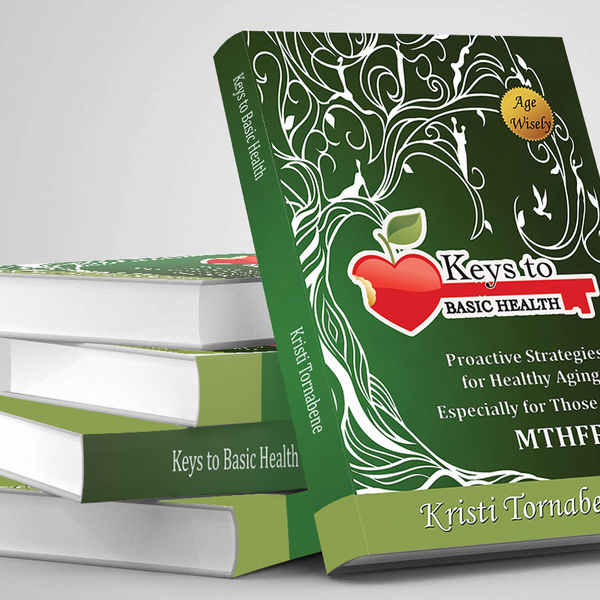
Master How the Body Heals with Expert Guidance
Kristi Tornabene's course turns the systems in the table into a structured learning path. It is a good fit if you want a practical, advanced guide that connects daily habits to pain, diabetes, and resilient aging.
Enroll in Live Pain Free, Disease Free, and Declining Free; Live Vibrantly →
Watch Before You Enroll
This video explains how TGD's affiliate path works if you also want to share courses.
Learn how to become an affiliate on The Great Discovery — the best affiliate program for course creators and marketers in 2026. Start earning commissions by sharing courses you believe in.
Frequently Asked Questions
These are the questions people usually ask when they want to understand healing, pain, and recovery. The answers below are short, practical, and meant to help readers find the topic fast.
What does it mean for the body to heal?
Healing means the body is repairing tissue, regulating inflammation, and restoring balance after stress or injury. It depends on repeated inputs such as sleep, nutrition, movement, and lower stress.
What slows healing in the body?
Poor sleep, chronic stress, inactivity, high inflammation, and unstable blood sugar can slow recovery. NIH has shown sleep supports immune function, and the CDC notes diabetes affects 40.1 million Americans, which is one reason metabolic health matters.
Can lifestyle changes reduce chronic pain?
They cannot remove every cause of pain, but they can reduce the load that keeps pain going. The CDC estimated 51.6 million U.S. adults experienced chronic pain in 2021, so even modest improvements in movement, sleep, and stress control can matter.
Does aging always mean decline?
No. Aging changes the body, but function can often improve when people keep moving, eat well, sleep consistently, and manage stress. Decline is not inevitable just because recovery slows.
How does blood sugar affect healing?
Blood sugar influences circulation, inflammation, and energy availability. Stable glucose patterns can support better recovery, which is why diabetes education belongs in a healing-focused conversation.
Who is the TGD course best for?
This course is best for learners who want an advanced, habit-based approach and are comfortable connecting symptoms to daily routines. It is a practical choice when you want a structured next step rather than a quick overview.
Ready to Go Deeper?
You've learned the basics of how the body heals and why daily habits matter. This course takes that understanding and turns it into a more practical learning path.
Start Learning How the Body Heals on TGD →
Conclusion
The main takeaway is that healing is a systems issue. Sleep, movement, nutrition, blood sugar stability, and stress regulation all shape whether the body can recover or stay stuck in strain. That is why pain, diabetes, and decline often overlap, and why small routines can have an outsized effect. If you want to turn that understanding into a structured plan, Kristi Tornabene's course is a strong next step on The Great Discovery. Live Pain Free, Disease Free, and Declining Free; Live Vibrantly
Explore More on TGD
If you want adjacent learning paths, these TGD pages are the most relevant next clicks.
- Diabetes courses
- TGD Success courses
- Habit Change courses
- Vibrant Aging courses
- The Great Discovery homepage
- Kristi Tornabene creator page
Share Your Knowledge on The Great Discovery
Join Kristi Tornabene and hundreds of other creators sharing their expertise. Create and sell your own courses on TGD.