
Inflammation Relief with Ann Maria Hester | TGD
Inflammation relief means lowering chronic, low-grade immune activation through food, sleep, movement, and stress control so the body can repair more efficiently, pain can settle, and long-term vitality improves for everyday life.
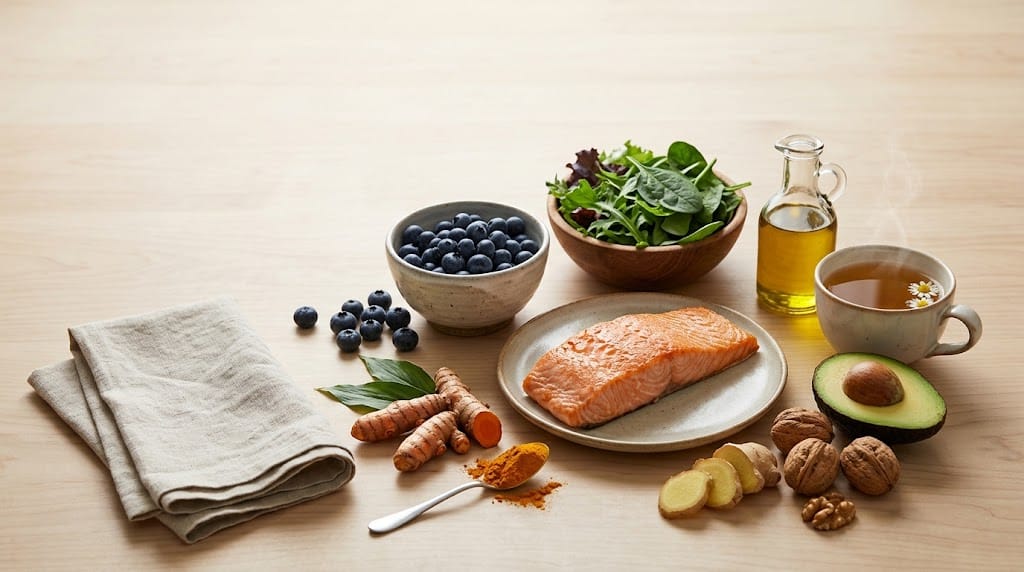
Inflammation relief means lowering chronic, low-grade immune activation through food, sleep, movement, and stress control so the body can repair more efficiently, pain can settle, and long-term vitality improves for everyday life.
Key Takeaways
- Chronic inflammation is different from the short-term inflammation that helps you heal after an injury or infection.
- Food quality matters because minimally processed meals are easier for the body to use well than highly processed snacks.
- Sleep, stress, and movement all shape how reactive the immune system feels from day to day.
- The course connects food with lifestyle habits, so it covers the full anti-inflammatory picture instead of one silver bullet.
- At $19, the beginner-friendly TGD course is a low-cost way to turn general advice into a structured plan.
Table of Contents
- Understanding Inflammation Relief
- Core Inflammation Relief Strategies
- Who Benefits from Learning Inflammation Relief?
- What Do Students Say?
- About the Creator
- Essential Inflammation Relief Concepts
- Watch Before You Enroll
- Frequently Asked Questions About Inflammation Relief
- Conclusion
- Explore More on TGD
Understanding Inflammation Relief
Inflammation relief is about reducing the body's prolonged alarm state, not removing every immune response. Short-term inflammation helps you heal after an injury or infection. Trouble starts when the signal stays active for too long, because that can affect comfort, recovery, energy, and how resilient you feel under ordinary stress.
Food quality, sleep consistency, movement, and stress load all influence how strongly the immune system keeps signaling. A diet built around minimally processed foods gives the body more useful nutrients, while regular movement improves circulation and helps the body handle daily wear and tear. Better sleep and lower stress matter too, because recovery happens most efficiently when the nervous system is not stuck in overdrive.
The big idea is simple: inflammation is not just a lab concept. It often shows up as how quickly you bounce back, how heavy you feel after meals, or how hard it is to maintain stable energy. The most practical goal is to support the body's repair systems with habits you can repeat.
Want to Learn Inflammation Relief Step by Step?
This course turns the core habits behind inflammation relief into a simple path you can follow at your own pace.
Core Inflammation Relief Strategies
The most effective inflammation relief strategies work together. Food, movement, sleep, and stress do not act in isolation. They shape the signals your immune system sends throughout the day.
Anti-Inflammatory Eating Patterns
A steady pattern built around vegetables, fruit, legumes, nuts, seeds, and minimally processed proteins is easier to sustain than a rigid list of forbidden foods. In practice, that means adding more fiber-rich meals and cutting back on heavily processed snacks that make it easy to overeat without real nourishment.
Movement as Signal Control
Regular movement helps the body use glucose better and keeps joints from getting stuck in a sedentary loop. Even walking, light strength work, or mobility sessions can support recovery when they are done consistently instead of intensely once in a while.
Sleep and Circadian Repair
Poor sleep can make the body feel less resilient the next day. A reliable sleep window, darker evenings, and less late-night stimulation give the body more room to repair instead of staying alert.
Stress Regulation
Stress management is not optional when the goal is inflammation relief. Breathing exercises, time outdoors, journaling, or a short pause before meals can lower the pressure load that keeps the body in a defensive state.
Who Benefits from Learning Inflammation Relief?
Anyone who wants a clearer, more practical path to feeling better can benefit from this topic. The best fit depends on how much structure you need and how much background you already have.
Beginners Who Want a Simple Starting Point
If you are new to nutrition or wellness, this topic gives you a framework without demanding jargon. The course is labeled Basic, which makes it a reasonable entry point for people who want a guided overview instead of a deep medical text.
People Who Suspect Food Affects How They Feel
When meals leave you feeling sluggish, bloated, or inflamed, the food piece is worth paying attention to first. The TGD course sits in Medical, Food & Cooking, and Health and Fitness, so it is aimed at readers who want food choices tied to whole-body well-being. At $19, it is a low-cost way to get structure.
Busy Adults Who Need Something Sustainable
If your schedule is packed, you need habits you can repeat on ordinary days. This topic is useful because it focuses on sleep, movement, stress, and eating patterns together instead of asking you to chase one perfect fix.
Coaches, Caregivers, and Wellness Learners
People who support others often need a simple vocabulary for explaining inflammation without overcomplicating it. This course can be a practical starting point for that audience because it bundles the core ideas into a beginner-friendly format.
What Do Students Say?
This course is new to the marketplace and hasn't collected reviews yet. Check back after launch for student feedback.
About the Creator
Ann Maria Hester, M.D. brings medical and coaching experience to this topic. She is described as a Transformational Health Coach, Author, and Physician, which fits a course that connects nutrition, habits, and everyday health.
Creator stats: 10 courses created, 33 total learners, 5.0 average rating.
Learn more on her creator page: Ann Maria Hester, M.D.
Essential Inflammation Relief Concepts
These are the core levers behind most anti-inflammatory lifestyle advice. Use the table as a quick reference for what each lever does and how it shows up in real life.
| Lever | What It Does | Everyday Example | Why It Matters |
|---|---|---|---|
| Whole-food meals | Support steadier energy and fewer spikes in stress load | Lunch built from vegetables, beans, and lean protein | Consistency matters more than extreme restriction |
| Ultraprocessed food reduction | Removes common triggers for overeating and low nutrient density | Swapping packaged snacks for fruit and nuts | Helps the body get more useful fuel per meal |
| Regular movement | Supports circulation, mobility, and glucose handling | A brisk 20-minute walk after dinner | Movement is a daily anti-inflammatory habit |
| Sleep regularity | Gives the body predictable repair time | Going to bed at roughly the same time nightly | Poor sleep can make recovery harder |
| Stress regulation | Reduces the pressure that keeps the body defensive | Five minutes of slow breathing before meals | Lower stress often supports better choices and better rest |
This is exactly the kind of framework the course can help organize. Instead of treating inflammation as one symptom, it shows how food and lifestyle habits interact across the whole day.
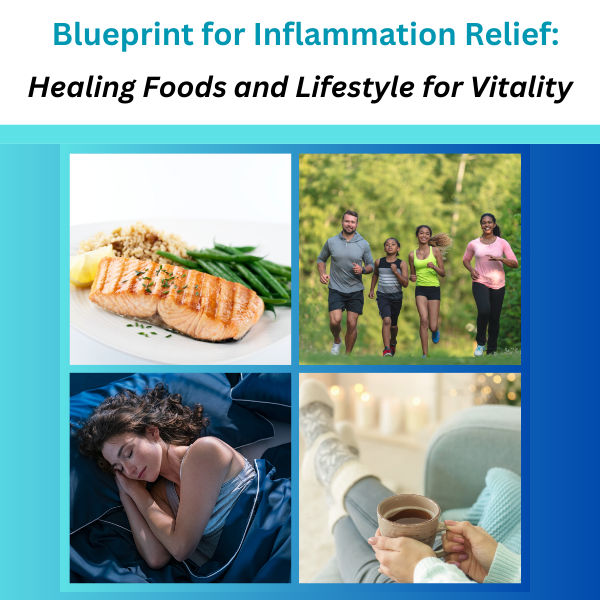
Master Inflammation Relief with Expert Guidance
Ann Maria Hester, M.D.'s course covers the same food, movement, stress, and sleep ideas in a structured format you can work through at your own pace.
Enroll in Blueprint for Inflammation Relief: Healing Foods and Lifestyle for Vitality →
Watch Before You Enroll
Watch this short video overview to understand the main ideas behind Blueprint for Inflammation Relief: Healing Foods and Lifestyle for Vitality before you enroll.
This video introduces Blueprint for Inflammation Relief: Healing Foods and Lifestyle for Vitality and previews you will learn: Inflammation-Fighting Foods: Discover the powerful foods that soothe inflammation and which ones to avoid to keep your body in balance.
Frequently Asked Questions About Inflammation Relief
What is inflammation relief?
Inflammation relief means lowering the body's chronic, low-grade alarm state. It does not mean removing every immune response, because short-term inflammation is part of healing.
What foods help with inflammation?
Meals built around vegetables, fruit, legumes, nuts, seeds, and minimally processed proteins are a strong starting point. These foods are easier to use consistently than strict elimination plans because they add nutrients instead of only removing items.
What foods should I avoid if I want to reduce inflammation?
Highly processed foods are the most common place to start cutting back. They often crowd out more nutrient-dense options and can make balanced eating harder to maintain over time.
Can exercise help reduce inflammation?
Yes. Regular movement supports circulation, mobility, and glucose handling, all of which can make the body feel less stuck in a defensive state. Consistency matters more than occasional hard workouts.
How do sleep and stress affect inflammation?
Poor sleep and ongoing stress can keep the body in a more reactive mode. A steadier sleep schedule and simple stress tools, such as breathing or journaling, help the repair side of the nervous system do more work.
How much does the TGD course cost and who is it for?
The course is listed at $19 and is labeled Basic. It is a fit for beginners who want a simple, practical introduction to inflammation-focused nutrition and lifestyle habits.
Ready to Go Deeper?
You have learned the core ideas behind inflammation relief, from food quality to sleep, movement, and stress. This course is the next step if you want those ideas organized into a clear plan.
Start Learning Inflammation Relief on TGD →
Conclusion
You have learned that inflammation relief is not one food or one supplement. It is a full routine shaped by what you eat, how well you sleep, how often you move, and how well you manage stress.
That makes this a useful topic for anyone who wants more energy and a more stable baseline of well-being. If you want a structured beginner-friendly next step, Blueprint for Inflammation Relief: Healing Foods and Lifestyle for Vitality gives you a practical path forward.
Explore More on TGD
If you want more topics in the same broader space, these internal links are a good place to continue.
- Medical courses
- Food & Cooking courses
- Health and Fitness courses
- The Great Discovery homepage
- Ann Maria Hester, M.D.
Share Your Knowledge on The Great Discovery
Join Ann Maria Hester, M.D. and hundreds of other creators sharing their expertise. Create and sell your own courses on TGD.