
Learn BETTER OFF DEAD with Kevin Bentley Harris on TGD
Spiritual suppression happens when a person's inner beliefs, doubts, or values no longer match the role they perform in public or at home. It matters because that mismatch can shape identity, strain relationships, and turn silence into a daily habit.
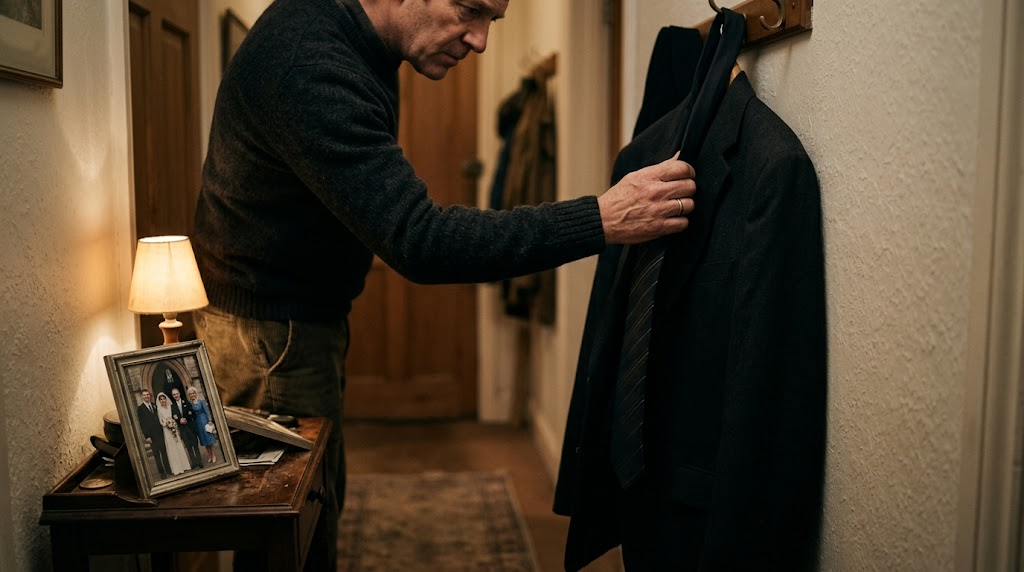
Spiritual suppression happens when a person's inner beliefs, doubts, or values no longer match the role they perform in public or at home. It matters because that mismatch can shape identity, strain relationships, and turn silence into a daily habit.
Key Takeaways
- Faith transitions often begin with quiet discomfort, not a dramatic rejection of belief.
- According to Pew Research Center, 29% of U.S. adults are religiously unaffiliated, and 20.2% were raised in a religion but now identify as unaffiliated.
- Pew also found that 21.9% of U.S. adults are former Christians, which shows that religious change is common enough to be a mainstream social pattern.
- BETTER OFF DEAD is a concise, story-driven course with 1 lesson and a 5.0 rating from 3 reviews, so it is an easy entry point for reflection.
- The course fits TGD Success, Spiritual Growth, Parenting, and Peace, which makes it relevant for readers who want emotional clarity and relational alignment.
Table of Contents
- Understanding Spiritual Suppression and Faith Realignment
- Key Concepts and Techniques
- Who Benefits from Learning Spiritual Suppression and Faith Realignment?
- What Do Students Say?
- About the Creator
- Essential Faith Transition Patterns
- Watch Before You Enroll
- Frequently Asked Questions
- Conclusion
- Explore More on TGD
Understanding Spiritual Suppression and Faith Realignment
Spiritual suppression is the pressure that builds when someone's lived beliefs no longer match the faith role they are expected to perform. It matters because the gap between inner truth and outward behavior often shows up first as fatigue, distance, or emotional numbness.
According to Pew Research Center, 29% of U.S. adults are religiously unaffiliated, and 20.2% were raised in a religion but now identify as religiously unaffiliated. Pew also found that 21.9% of U.S. adults are former Christians, which shows that faith change is not a fringe experience.
That context helps explain why this topic matters now. When a person feels pulled between inherited belief and current conviction, the issue is rarely just theology. It can affect marriage, parenting, community belonging, and the quiet choices people make to keep peace.
Want to Learn BETTER OFF DEAD Step by Step?
This course on The Great Discovery turns the ideas above into a guided story-based lesson.
Key Concepts and Techniques
These concepts help turn a vague sense of unease into something you can name and work with. They are useful whether you are processing your own beliefs or supporting someone else's transition.
Distinguish conformity from conviction
Conformity is behavior you keep because it avoids conflict. Conviction is behavior that still matches your actual values. When the two diverge, people often feel trapped even when life looks stable on the surface.
Recognize cognitive dissonance
Cognitive dissonance is the stress that appears when actions and beliefs clash. In faith settings, it can show up as rote participation, emotional numbness, or overexplaining a belief that no longer feels natural.
Why authenticity beats acceptance
Acceptance can keep the peace for a while, but it often rewards performance. Authenticity is harder at first, yet it usually produces less resentment because the person is no longer living against their own values.
Use alignment conversations in relationships
Alignment conversations work best when they focus on needs, not winning arguments. Simple prompts like what feels true now and what do I need to feel safe keep the discussion grounded in reality.
Let story lower defensiveness
Stories reduce defensiveness because readers identify with characters before they feel judged. The course uses a narrative about Devon Bennett and a home where two truths collide, which makes spiritual conflict easier to examine from a distance.
Who Benefits from Learning Spiritual Suppression and Faith Realignment?
This topic matters most to people whose private beliefs are changing faster than their public roles. It also helps families and creators who need language for spiritual tension without turning every conversation into a debate.
Adults in faith transition
If you were raised in a religion but no longer feel at home there, you are not unusual. Pew found that 20.2% of adults were raised in a religion but now identify as religiously unaffiliated, and 21.9% are former Christians. If you want a story-based starting point, BETTER OFF DEAD is a reasonable first course. The listing does not publish a skill level or price in the data I received, but the one-lesson format suggests a low-friction entry point.
Parents and partners
Faith changes often affect shared routines, child-rearing, and trust. The course sits in TGD Success, Spiritual Growth, Parenting, and Peace, so it fits that overlap well.
When one person changes and the others do not, the family usually needs new rules for communication and respect. That makes this topic useful for couples who want honesty without escalation.
Readers who learn through story
Some readers understand identity change through character and conflict rather than abstract explanation. For them, a narrative about a father and husband with two truths can be easier to absorb than a lecture.
If you learn best by seeing a problem lived out, this course is a strong match. Story can show consequences, not just concepts.
Creators and facilitators
If you teach, coach, or write about faith and identity, the topic offers a useful case study in how suppression looks before it becomes conflict. The creator's small catalog and 5.0 average rating suggest a focused niche rather than a broad content farm.
That makes the course a practical reference point for content makers who need a clear example of spiritual transition framed through narrative.
What Do Students Say?
The reviews emphasize emotional honesty, self-examination, and the discomfort of inherited routines. That suggests the course resonates most with readers who want a reflective rather than preachy treatment of spiritual doubt.
"This is a very good, quick read and thought provoking. It calls into question conventional religion and rote practices."— Jamaye Despaigne
"BETTER OFF DEAD is a great read! Kevin reminds us that everyone should be true to themselves and work through layer after layer."— Kim Coleman
Taken together, the reviews point to a course that values honesty over slogans. They also show that readers connect with its emotional clarity and its willingness to question inherited patterns.
About the Creator
Kevin Bentley Harris is the creator behind BETTER OFF DEAD and the rest of the catalog listed on his profile. His public profile is brief, but the available numbers show a small catalog with strong learner response.
Courses created: 4
Total learners: 5
Average rating: 5.0
Bio: Welcome! I hope you all enjoy the content!
View his creator page: Kevin Bentley Harris
Essential Faith Transition Patterns
These patterns turn spiritual unrest into something you can observe and discuss. They are helpful if you want a practical way to think about faith transitions before they reach a breaking point.
| Pattern | What It Looks Like | Practical Response |
|---|---|---|
| Masking | Acting compliant while feeling disconnected. | Name the settings where you hide your real view. |
| Cognitive dissonance | Stress from conflicting beliefs and actions. | Write the conflict in one sentence and test what you believe. |
| Ritual without meaning | Keeping practices after conviction has shifted. | Keep practices that still feel meaningful and release the rest. |
| Boundary setting | Protecting safety in hard conversations. | Decide what you can share, when, and with whom. |
| Alignment rebuilding | Replacing inherited roles with chosen values. | Journal, study, and talk with trusted people. |
That lens matches the course's story-first approach, where a family conflict reveals what happens when inner belief and outer life stop matching. If you learn best from examples, the course can make these patterns feel concrete.

Master BETTER OFF DEAD with Expert Guidance
Kevin Bentley Harris's course expands these alignment patterns into a story-driven lesson you can revisit at your own pace. With 4 courses and a 5.0 average rating, his profile suggests focused, high-trust guidance.
Enroll in BETTER OFF DEAD By KEVIN BENTLEY HARRIS →
Watch Before You Enroll
Watch this short video overview to understand the main ideas behind BETTER OFF DEAD before you enroll.
This video introduces BETTER OFF DEAD and previews "BETTER OFF DEAD".
Frequently Asked Questions
These are the questions people usually ask when faith and identity stop lining up. The answers focus on the topic itself first, then note where the course fits as a learning step.
What is spiritual suppression?
Spiritual suppression is the habit of hiding doubts, values, or changing beliefs to keep peace or maintain belonging. Pew's 2025 data, including 29% religiously unaffiliated adults, shows that belief change is common enough to need honest vocabulary.
Why do people question inherited religion?
People question inherited religion when lived experience no longer matches the faith role they were taught. Pew found that 20.2% of adults were raised in a religion but now identify as religiously unaffiliated, which suggests this often happens gradually.
How does faith transition affect families?
A faith transition can change routines, expectations, and the emotional safety of a home. When one person changes and the others do not, the family often needs new rules for communication and respect.
What does authenticity mean in a spiritual context?
Authenticity means letting your outward life reflect what you actually believe and value. It does not require attacking other people's faith, but it does require honesty about your own.
How do you talk to a spouse about belief changes?
Start with what you know, what you are unsure about, and what you need to feel safe. Short, specific statements reduce defensiveness and make it easier to discuss shared boundaries.
Is the TGD course beginner-friendly, and what does it cost?
The listing does not include a skill level or price in the data I received. It is tagged for General Audiences and has one lesson, so it appears approachable, but you should confirm current access details on the course page.
Ready to Go Deeper?
You've learned the fundamentals of faith suppression, authenticity, and relationship alignment. This course turns those ideas into a story-driven path you can follow at your own pace.
Start Learning BETTER OFF DEAD on TGD →
Conclusion
You now have a clear framework for reading spiritual suppression, faith transition, and relationship strain. The key ideas are simple: mismatch creates pressure, silence keeps it alive, and authenticity usually works better than performance over time. Pew's 2025 data shows that these shifts are not fringe experiences, since a large share of U.S. adults are unaffiliated or have left the religion they were raised in. If you want a guided next step, BETTER OFF DEAD by Kevin Bentley Harris turns that reality into a focused lesson on identity and alignment. Explore the course on The Great Discovery.
Explore More on TGD
If you want to keep learning on TGD, the links below are the best next stops. They point you to the course hub, creator profile, and the main category pages connected to this topic.
Share Your Knowledge on The Great Discovery
Join Kevin Bentley Harris and hundreds of other creators sharing their expertise. Create and sell your own courses on TGD.