
Learn Your Constitutional Rights on The Great Discovery
Constitutional rights are fundamental freedoms and protections guaranteed to U.S. citizens by the Constitution and its amendments.
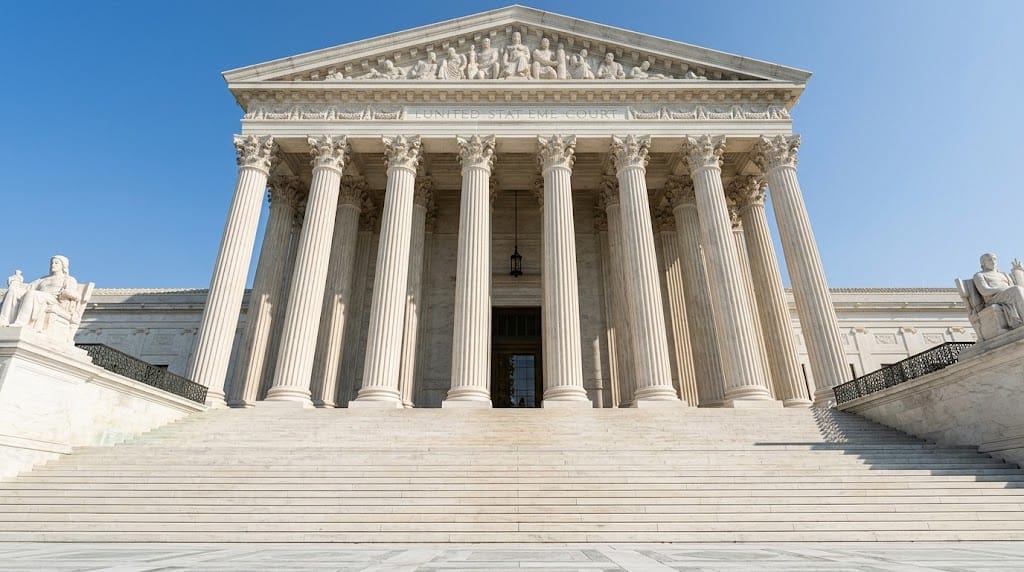
Learn Your Constitutional Rights on The Great Discovery
Constitutional rights are fundamental freedoms and protections guaranteed to U.S. citizens by the Constitution and its amendments. These include freedoms of speech, religion, assembly, and the right to due process, jury trial, and voting—essential pillars of American democracy and individual liberty.
Key Takeaways
- The U.S. Constitution protects 10 core rights through the Bill of Rights, with additional protections added through 27 total amendments
- Understanding your constitutional rights helps you navigate legal situations, engage in civic discourse, and advocate for yourself effectively
- According to the Annenberg Public Policy Center, 70% of Americans can now name the three branches of government, marking progress in civic knowledge
- This free TGD course teaches the foundations of American law in 12 structured email lessons delivered weekly
- Citizens who understand constitutional principles are better equipped to hold institutions accountable and participate meaningfully in democracy
Table of Contents
- Understanding Constitutional Rights
- Key Concepts and Techniques
- Who Benefits from Learning Constitutional Rights?
- What Do Students Say?
- About the Creator
- The Bill of Rights at a Glance
- Watch Before You Enroll
- Frequently Asked Questions
- Conclusion
- Explore More on TGD
Understanding Constitutional Rights
Constitutional rights form the legal foundation of American freedom—protections guaranteed to every citizen through the Constitution and its amendments. These rights establish limits on government power and protect individual freedoms essential to democracy. Yet despite their importance, many Americans lack foundational knowledge about these essential protections.
Recent surveys reveal both progress and gaps in civic understanding. According to the Annenberg Public Policy Center, 70% of Americans can now name all three branches of government, marking an increase in civic knowledge compared to previous years. The USC Rossier School of Education found that 97% of U.S. adults agree that preparing students to be good citizens is a key priority, demonstrating overwhelming public support for civic education.
However, knowledge gaps persist where it matters most. The Freedom Forum's 2025 "Where America Stands" survey shows that while more than 90% of Americans support the First Amendment as vital to the country, 65% of Americans report being afraid to speak freely—a striking paradox that highlights the need for better understanding of how constitutional protections actually work. Additionally, trust in major institutions has declined sharply: trust in the U.S. Supreme Court among Americans dropped 27 percentage points from 68% to 41% between 2019 and March 2025, underscoring why constitutional literacy matters more than ever.
Want to Learn Constitutional Rights Step by Step?
This free course on The Great Discovery covers all of these fundamentals and more, teaching you how constitutional principles shape your rights and responsibilities as an American citizen.
Key Concepts and Techniques
Understanding constitutional rights requires familiarity with several foundational concepts that shape how American law protects individual freedom. These principles appear throughout the Constitution and everyday legal situations, from courtroom proceedings to voting practices.
The Bill of Rights and Amendments
The first ten amendments to the Constitution, known as the Bill of Rights, establish core protections including freedom of speech, religion, press, assembly, and petition (1st Amendment); the right to bear arms (2nd Amendment); protection against unreasonable searches (4th Amendment); and the right to fair trial with legal counsel (6th Amendment). Later amendments expanded these protections to all citizens, including the 14th Amendment's guarantee of equal protection and due process.
The Three Branches of Government
The Constitution divides government power among the legislative branch (Congress, which makes laws), the executive branch (President, which enforces laws), and the judicial branch (courts, which interpret laws). This separation of powers creates checks and balances—each branch can limit the others—protecting citizens from concentrated government authority. Understanding which branch does what helps you know where to direct concerns or requests.
Due Process and the Rule of Law
Due process requires that government follow established legal procedures before taking action against a citizen. The 5th Amendment protects federal due process, and the 14th Amendment extends this to states. This principle ensures that laws apply equally to everyone and that no person is above the law—a foundation of constitutional government that prevents arbitrary punishment.
Individual Liberty Balanced with Public Responsibility
Constitutional rights are not unlimited. The First Amendment protects speech, but not all speech (incitement to violence is restricted). The Second Amendment protects the right to bear arms, but most states regulate how guns are carried and used. This balance between individual freedom and public safety appears throughout constitutional law, requiring citizens to understand both their rights and their responsibilities.
Voting Rights and Civic Participation
The Constitution protects the right to vote through several amendments (15th, 19th, 24th, and 26th), each expanding voting access. Understanding voting rights—including how to register, where to vote, and what identification may be required—empowers citizens to participate meaningfully in elections and hold elected officials accountable.
Who Benefits from Learning Constitutional Rights?
Constitutional literacy benefits anyone who wants to understand their freedoms, navigate legal situations, or participate more effectively in American democracy. Whether you're a student, educator, professional, or engaged citizen, this knowledge provides practical value.
Students and Educators
According to iCivics, up to 145,000 teachers and 9 million students across all 50 states actively use free civic education resources, demonstrating massive demand for accessible constitutional learning. Students benefit from understanding their rights on campus (freedom of speech, due process in academic discipline), while educators gain tools to teach civics effectively. The TGD course's basic skill level and email-based format make it ideal for classroom integration or independent student learning.
Civic-Minded Citizens
Anyone wanting to engage meaningfully in local and national democracy needs constitutional foundation knowledge. Whether attending town halls, voting, or advocating for causes, understanding the structure of government and the limits of government power makes you a more effective citizen. The course helps you navigate political discourse with confidence and recognize when proposals conflict with constitutional principles.
Entrepreneurs and Business Owners
Business operators navigate constitutional issues regularly—from First Amendment free speech questions in marketing to Fourth Amendment privacy protections in customer data handling. Understanding constitutional principles helps entrepreneurs make legally sound decisions and recognize when they need professional legal counsel. The course's free pricing and accessible format let business professionals strengthen their legal literacy without formal law school.
Legal Professionals and Career Changers
Law students, paralegal professionals, and career changers entering the legal field benefit from a solid foundational review of constitutional principles before diving into specialized areas. Kristin Kodenski's course provides a refresher on American law and governance fundamentals that support advanced legal study.
What Do Students Say?
This course is new to the marketplace and hasn't collected reviews yet. Check back after launch for student feedback.
About the Creator
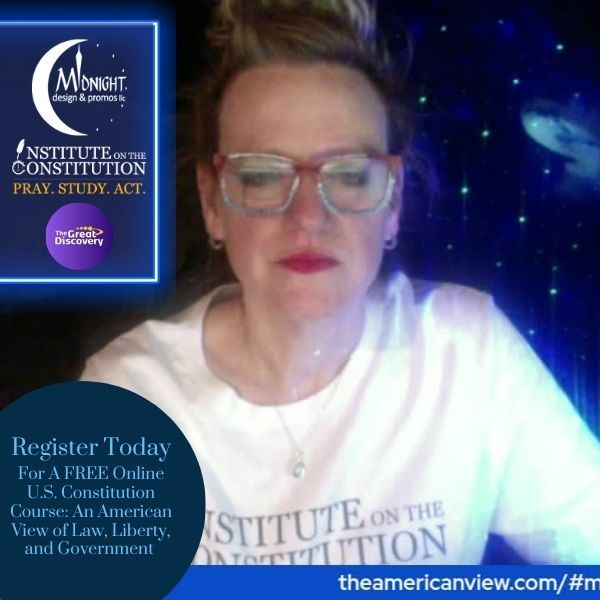
Kristin Kodenski is the Creative Director of Midnight Design and Promos, bringing design expertise and promotional strategy to educational content creation. With 4 total courses and 7 learners to date, Kristin is building expertise in making complex topics accessible through digital platforms.
Her focus on civics education reflects a commitment to helping citizens understand the legal and governmental foundations of American society. Learn more about Kristin's work and other courses on her creator profile on The Great Discovery.
The Bill of Rights at a Glance
The first ten amendments to the Constitution establish core protections that define American freedom. Understanding each right helps you recognize when they apply to your life and how they limit government power.
| Amendment | Right Protected | Why It Matters |
|---|---|---|
| 1st | Freedom of speech, religion, assembly, petition | Core foundation of democracy and individual expression; allows citizens to advocate for change |
| 2nd | Right to bear arms | Protects self-defense and militia participation; subject to state and local regulation |
| 4th | Protection against unreasonable searches | Privacy protection and guard against government overreach; requires warrants in most cases |
| 5th | Due process, protection against self-incrimination | Ensures fair treatment in legal proceedings; protects against forced testimony against yourself |
| 6th | Right to fair trial, legal counsel | Protects against unjust conviction; ensures defendant has access to attorney and witnesses |
| 8th | Protection against cruel and unusual punishment | Ensures humane treatment within justice system; limits severity of sentences |
| 10th | Powers reserved to states and people | Preserves federalism; reminds that government has only powers the Constitution grants |
| 14th | Equal protection, citizenship rights, due process | Extends constitutional protections to all citizens; prevents discrimination; cornerstone of civil rights |
These amendments represent the minimum protections all Americans hold. They work together as an interconnected system of liberty—if one is weakened, others become harder to defend. Learning how they function prevents misunderstandings about what government can and cannot do.
Master Constitutional Rights with Expert Guidance
Kristin Kodenski's course covers all of these concepts and more, with structured lessons you can complete at your own pace. The 12-week email-based format makes it easy to integrate constitutional learning into your schedule.
Watch Before You Enroll
Learn how to become an affiliate on The Great Discovery and earn commissions by sharing courses you believe in. Watch this brief overview of The Great Discovery's affiliate program:
Frequently Asked Questions
What exactly are constitutional rights?
Constitutional rights are fundamental freedoms and protections guaranteed to U.S. citizens by the Constitution and its amendments. They establish limits on government power and protect individual liberties essential to a free society, including freedom of speech, religion, fair trial, and voting.
How many rights does the U.S. Constitution protect?
The Constitution includes 27 amendments that protect or modify rights. The first ten amendments, called the Bill of Rights, establish core protections. Later amendments expand protections (like the 14th Amendment's equal protection clause) or adjust processes (like the 22nd Amendment's presidential term limits).
Why is constitutional literacy important in 2026?
Constitutional understanding helps you engage meaningfully in democracy, navigate legal situations, advocate for causes effectively, and recognize when government actions exceed constitutional authority. With trust in institutions declining and civic knowledge gaps persisting, learning constitutional principles strengthens your ability to participate as an informed citizen.
Can my constitutional rights be restricted?
Constitutional rights are not unlimited. The government can restrict rights in limited circumstances—for example, free speech does not protect incitement to violence, and the right to bear arms can be regulated. Courts balance individual rights against public safety through the due process clause, requiring government to have strong justifications for restrictions.
What's the difference between the Constitution and the Bill of Rights?
The Constitution is the foundational legal document establishing the structure of government and outlining powers and limits. The Bill of Rights is the first ten amendments to the Constitution, specifically protecting individual freedoms. All of the Bill of Rights is part of the Constitution, but the Constitution also includes other amendments and structural provisions.
How long does the free TGD course take to complete?
The course is structured as 12 short lessons delivered via email over 12 weeks, making it easy to complete at your own pace. You can move faster if you prefer, and lessons are designed to take 10-20 minutes each, making the course accessible for busy schedules.
Conclusion
Understanding your constitutional rights is essential to navigating American democracy as an informed, empowered citizen. You've learned that constitutional rights form the foundation of individual liberty, that these protections work through a system of checks and balances across three branches of government, and that knowledge gaps persist despite growing interest in civic education. The practical frameworks—due process, equal protection, the Bill of Rights amendments—provide tools to recognize your rights and understand government limits.
This free course on The Great Discovery takes you from foundational understanding to confident civic participation. Over 12 structured lessons, you'll build a solid grasp of constitutional principles that most Americans lack. Whether you're a student, educator, or engaged citizen, this knowledge produces real value: better decision-making, more effective advocacy, and deeper trust in your ability to navigate legal and political systems.
Start Learning Constitutional Rights Today →
Ready to Go Deeper?
You've learned the fundamentals of constitutional rights. This free course takes you from understanding to confident participation in American democracy, with structured lessons and expert guidance from Kristin Kodenski.
Start Learning Constitutional Rights on TGD →
Explore More on TGD
- More Teaching & Education Courses
- Academic Learning Courses
- More Courses by Kristin Kodenski
- The Great Discovery Homepage
Share Your Knowledge on The Great Discovery
Join Kristin Kodenski and hundreds of other creators sharing their expertise. Create and sell your own courses on TGD and earn commissions from every learner you reach.