
Learn Guided Meditation with Leah Skurdal on TGD
Guided meditation is a structured mindfulness practice where a teacher, recording, or script directs attention through breath, imagery, body awareness, or compassion exercises. It helps beginners focus, lowers stress, and makes meditation easier to start and sustain.
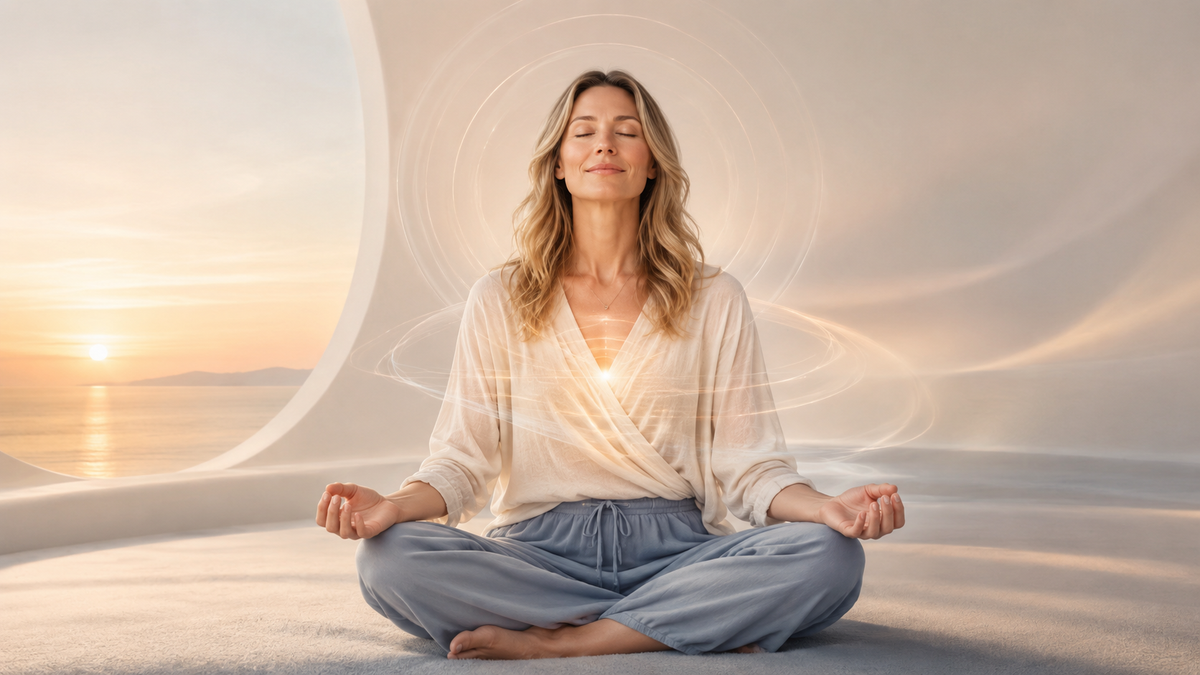
Guided meditation is a structured mindfulness practice where a teacher, recording, or script directs attention through breath, imagery, body awareness, or compassion exercises. It helps beginners focus, lowers stress, and makes meditation easier to start and sustain.
Key Takeaways
- Guided meditation gives the mind a clear structure, which is useful when silent sitting feels difficult or distracting.
- According to NCCIH, U.S. meditation use rose from 7.5% in 2002 to 17.3% in 2022, showing how mainstream the practice has become.
- Digital meditation is not just relaxation; a 2025 JAMA Network Open trial of 1,458 employees found significant stress improvement at 8 weeks.
- This course sits in Self Improvement, Mental/Emotional Health, Spiritual Growth, and TGD Success, so it fits readers looking for personal-growth support.
- Leah Skurdal has a small catalog of 3 courses and 19 total learners, which may appeal to readers who want a focused, simple starting point.
Table of Contents
- Understanding Guided Meditation
- Key Guided Meditation Concepts and Techniques
- Who Benefits from Learning Guided Meditation?
- What Do Students Say?
- About the Creator
- Guided Meditation Formats and Uses
- Watch Before You Enroll
- Frequently Asked Questions
- Conclusion
- Explore More on TGD
Understanding Guided Meditation
Guided meditation is a structured way to train attention with support. Instead of sitting in silence and guessing what to do, a guide leads you through breath awareness, imagery, body scans, or compassion practices. That structure matters because meditation is now mainstream: according to NCCIH, 17.3% of U.S. adults used meditation in 2022, up from 7.5% in 2002.
It matters because many people want a low-cost mental health habit they can do anywhere. According to the World Health Organization, 3.6 billion people still lack access to essential health services, which makes scalable self-care tools especially important. Recent evidence also supports guided formats: a 2025 randomized clinical trial of 1,458 employees found digital meditation improved perceived stress at 8 weeks versus wait-list control, with a Cohen d of 0.85. Another 2025 study in Frontiers in Physiology found measurable heart-rate and heart-rate-variability differences across guided and unguided meditation formats during 20-minute sessions.
Want to Learn Guided Meditation Step by Step?
This course on The Great Discovery gives you a guided path through the fundamentals you just learned, with a simple structure you can follow at your own pace.
Key Guided Meditation Concepts and Techniques
Guided meditation becomes practical when you understand the core formats. The right technique depends on whether you need calmer focus, better body awareness, or a stronger compassion practice. The title of this course suggests an outward-facing, wellbeing-centered angle, so the concepts below fit both personal and relational growth.
Breath Anchoring
Breath anchoring uses the inhale and exhale as a stable reference point. When attention drifts, you simply return to the breath without judgment. That is the easiest entry point for beginners because it creates one clear task.
Body Scan Awareness
A body scan moves attention through the body in a deliberate sequence. It helps people notice tension before it becomes overwhelm, which makes it practical for stress management and sleep preparation. This technique also builds interoception, or the ability to feel what is happening inside the body.
Compassion and Loving-Kindness Phrases
Compassion practices use short phrases such as “may I be calm” or “may others be well.” That format fits a course framed around broadcasting wellbeing, because the practice turns attention outward without losing self-regulation. A 2025 Frontiers in Public Health trial found that 100 full-time employees improved empathy, collaboration, positive affect, and workplace well-being after 3-minute daily app-guided loving-kindness practice for 4 weeks.
Guided Static and Guided Kinetic Practice
Static meditation is usually seated or still, while kinetic meditation includes movement, walking, or gentle shifts in posture. According to Frontiers in Physiology, novices showed different heart-rate and heart-rate-variability responses across guided static, unguided static, guided kinetic, and unguided kinetic conditions. That suggests movement is not a distraction; for some people, it is the easiest path into consistent practice.
Consistency Over Intensity
Short, repeatable sessions often work better than ambitious but irregular routines. The 2025 employee trial shows that even 3-minute daily practice can matter when the habit is consistent. That is a useful lesson for anyone building meditation into a busy day.
Who Benefits from Learning Guided Meditation?
Guided meditation helps people who want structure, not just relaxation. It is useful for beginners, busy workers, and anyone who wants a portable self-care routine. The course categories place it squarely in Self Improvement, Mental/Emotional Health, Spiritual Growth, and TGD Success, while the scraped data does not list a skill level or price.
Beginners Who Need a Clear Starting Point
If you have never meditated before, guided instruction reduces friction. You do not need to invent the practice from scratch or worry about doing it wrong. That makes this a good fit for readers who want a gentle introduction before committing to a deeper routine.
Stressed Employees and Busy Professionals
People under pressure often need interventions that are short and realistic. According to JAMA Network Open via PubMed, a 2025 randomized clinical trial of 1,458 employees found digital meditation improved perceived stress at 8 weeks and also improved job strain. If your schedule is crowded, that is strong evidence that small doses can still help.
Wellness, Coaching, and Helping Professionals
Coaches, teachers, and wellness practitioners often need a simple practice they can share with clients or groups. Guided meditation gives them a repeatable format that is easy to explain and easy to adapt. The course may be a practical starting point here, especially if you want a structured introduction before building your own guided sessions.
Spiritual Seekers and Self-Improvement Learners
Readers drawn to spiritual growth often want more than stress reduction. They want a practice that supports kindness, presence, and emotional steadiness. For that audience, the course’s category mix is a good signal, even though the pricing details are not listed in the scrape.
What Do Students Say?
This course is new to the marketplace and hasn't collected reviews yet. Check back after launch for student feedback.
About the Creator
Leah Skurdal is the creator listed for this course, but the public profile data is sparse. The scrape shows 3 courses created, 19 total learners, and an average rating of 0.0, which suggests a small catalog that is still building its audience. No creator biography was provided in the source data.
View Leah Skurdal’s creator profile on The Great Discovery
Guided Meditation Formats and Uses
The best guided meditation format depends on your goal and your attention style. Some methods build concentration, while others build body awareness or compassion. This table gives you a practical reference you can use before choosing a course or a session.
| Format | What It Does | Best Use |
|---|---|---|
| Breath-focused guidance | Uses the inhale and exhale as the main attention anchor. | Good for beginners and quick resets during the day. |
| Body scan | Moves attention through the body in a deliberate sequence. | Useful for noticing tension, promoting relaxation, and preparing for sleep. |
| Loving-kindness practice | Repeats compassionate phrases for self and others. | Helpful for empathy, emotional balance, and relationship-focused wellbeing. |
| Guided static meditation | Uses spoken direction while the body remains still. | Good for concentration and for people who prefer quiet, seated practice. |
| Guided kinetic meditation | Combines movement with verbal cues and attention training. | Useful for people who focus better while walking or gently moving. |
Research suggests format matters. According to Frontiers in Physiology, novice meditators showed different heart-rate and heart-rate-variability responses across guided static, unguided static, guided kinetic, and unguided kinetic sessions. A good course should help you identify the format that feels sustainable, not just the one that sounds ideal.
Master Guided Meditation with Expert Guidance
Leah Skurdal’s course covers these meditation formats and more, with a structured path you can follow at your own pace. If you just learned how different techniques support different goals, this is the natural next step.
Enroll in Guided Meditation - Broadcasting Wellbeing for All →
Watch Before You Enroll
Watch this short video overview to understand the main ideas behind Guided Meditation - Broadcasting Wellbeing for All before you enroll.
This video introduces Guided Meditation - Broadcasting Wellbeing for All and previews in this guided meditative journey,.
Frequently Asked Questions
What is guided meditation?
Guided meditation is a structured attention practice led by a person, recording, or script. It usually uses breath, imagery, body awareness, or compassion cues to keep the mind engaged.
How does guided meditation help with stress?
It gives the mind a clear task and reduces the effort of deciding what to do next. According to JAMA Network Open via PubMed, a 2025 randomized clinical trial of 1,458 employees found digital meditation improved perceived stress at 8 weeks.
Is guided meditation effective for beginners?
Yes, because guidance lowers the barrier to entry. According to Frontiers in Physiology via PubMed, a 2025 study of novice meditators found measurable heart-rate and heart-rate-variability differences across guided and unguided meditation conditions.
What is the difference between guided and unguided meditation?
Guided meditation includes verbal direction, while unguided meditation requires you to maintain attention on your own. The 2025 Frontiers in Physiology study suggests the body can respond differently depending on which format you use.
How long should a guided meditation session be?
There is no single perfect length. According to Frontiers in Public Health via PubMed, 100 full-time employees improved after daily 3-minute app-guided loving-kindness meditation for 4 weeks, showing that short sessions can still be meaningful.
How much does the TGD course cost?
The scraped data does not list a price, so check the course page for current access details. It does show categories in Self Improvement, Mental/Emotional Health, Spiritual Growth, and TGD Success, which helps you judge fit before you click.
Ready to Go Deeper?
You’ve learned the fundamentals of guided meditation, the main formats, and the evidence behind guided practice. This course takes you from understanding to practical application.
Start Learning Guided Meditation on TGD →
Conclusion
Guided meditation is a practical way to build attention, reduce stress, and explore compassion-based practice. You learned that meditation use has grown rapidly in the U.S., that guided digital programs can improve stress, and that different formats can produce different body responses. If you want a simple next step, Leah Skurdal’s course gives you a structured place to begin on The Great Discovery: Guided Meditation - Broadcasting Wellbeing for All.
Explore More on TGD
If you want to keep learning, the related links below will help you explore TGD by category and creator.
- Self Improvement courses on TGD
- Mental/Emotional Health courses on TGD
- Spiritual Growth courses on TGD
- TGD Success courses on TGD
- The Great Discovery homepage
- Leah Skurdal creator page
Share Your Knowledge on The Great Discovery
Join Leah Skurdal and hundreds of other creators sharing their expertise. Create and sell your own courses on TGD.