Learn Self-Care with Reetu Verma on The Great Discovery
Self-care is a set of intentional practices—from sleep and movement to mindfulness and stress management—that help you maintain physical and mental health without relying solely on healthcare providers.
Self-care is a set of intentional practices—from sleep and movement to mindfulness and stress management—that help you maintain physical and mental health without relying solely on healthcare providers.
Key Takeaways
- According to WHO, self-care enables individuals to promote health, prevent disease, and manage illness independently.
- Sleep deprivation affects 30.5% of U.S. adults; targeted sleep routines are a foundation of effective self-care.
- Mindfulness and stress management techniques reduce anxiety and improve emotional resilience.
- Structured self-care routines fit any schedule—from 5-minute daily habits to longer weekly sessions.
- The Ultimate Self-Care Guide covers routines, mindfulness, nutrition, exercise, and emotional wellness in one accessible course.
Table of Contents
- Understanding Self-Care
- Key Concepts and Techniques
- Who Benefits from Learning Self-Care?
- What Do Students Say?
- About the Creator
- Essential Self-Care Practices and Benefits
- Watch Before You Enroll
- Frequently Asked Questions
- Conclusion
- Explore More on TGD
Understanding Self-Care
Self-care isn't a luxury—it's a health capability that prevents disease and supports emotional resilience. The World Health Organization defines self-care as the ability of individuals, families, and communities to promote health, prevent disease, maintain health, and cope with illness independently. Yet many people struggle to prioritize it.
The numbers tell a compelling story. According to the CDC, 30.5% of U.S. adults slept less than 7 hours in 2024, compromising immune function and mental health. Gallup's research found that 37% of adults globally felt significant stress the previous day in 2024, and nearly 12% of U.S. adults reported difficulty participating in social activities due to physical, mental, or emotional conditions. These gaps aren't individual failings—they reflect how hard it is to build consistent, sustainable wellness habits without structure.
In April 2026, the World Health Organization updated its self-care guidance, reinforcing that evidence-based practices around sleep, stress management, nutrition, and emotional connection matter more than ever. Self-care routines—whether a 5-minute breathing exercise or a full hour of movement—create predictable touchpoints where your body and mind can reset and rebuild.
Want to Learn Self-Care Step by Step?
This free course on The Great Discovery covers foundational self-care routines, mindfulness techniques, nutrition, exercise, and emotional wellness strategies you can start today.
Key Concepts and Techniques
Effective self-care rests on five core practices: intentional sleep, mindfulness, movement, nourishment, and emotional connection. Each one addresses a different pillar of health and works together to build resilience.
Sleep and Rest Routines
Quality sleep is the foundation of physical and mental health. Establishing a consistent sleep schedule, limiting screen time before bed, and creating a dark, cool sleeping environment signal your body that rest is coming. A simple 10-minute wind-down routine—breathing exercises, journaling, or reading—can shift your nervous system into parasympathetic mode and improve sleep quality dramatically.
Mindfulness and Stress Management
Mindfulness—the practice of observing thoughts and sensations without judgment—trains your brain to respond to stress rather than react. Just 5-10 minutes of daily meditation, body scanning, or mindful breathing reduces cortisol levels and builds emotional regulation over time. These practices cost nothing and can be done anywhere.
Movement and Physical Activity
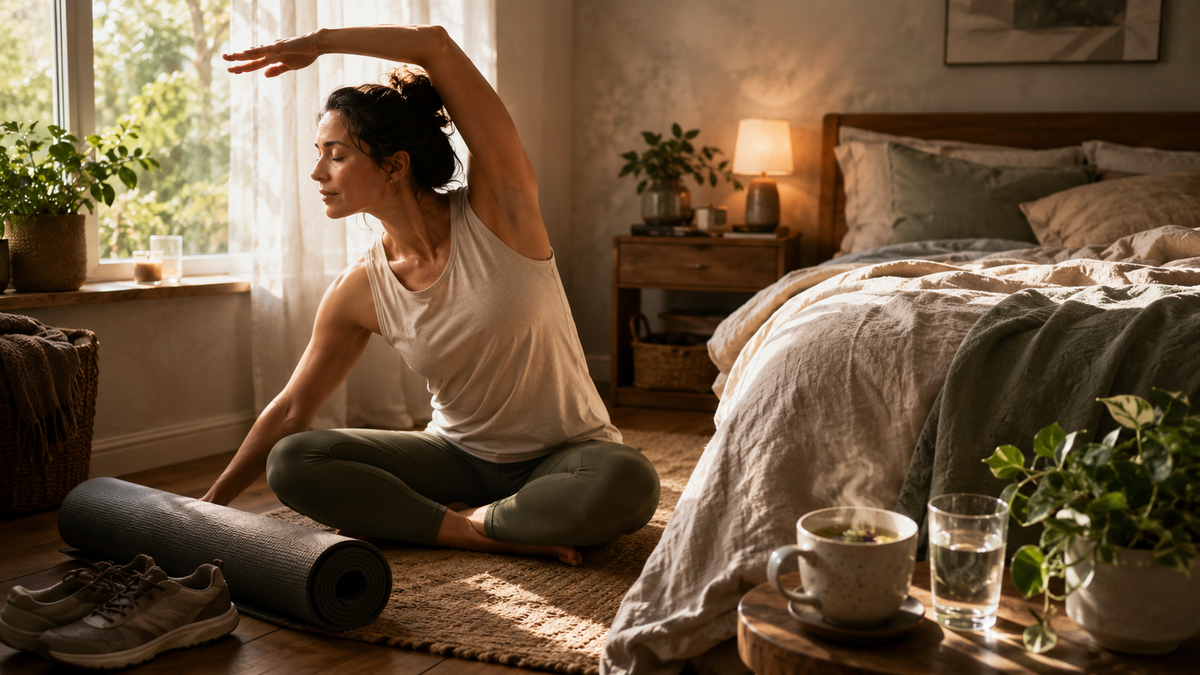
Self-care movement isn't about intense workouts—it's about consistent, enjoyable motion. Yoga, walking, dancing, or stretching release endorphins, improve circulation, and boost mood. Even 20 minutes of moderate activity three times a week meets WHO guidelines and transforms energy levels and mental clarity.
Nourishment and Healthy Eating
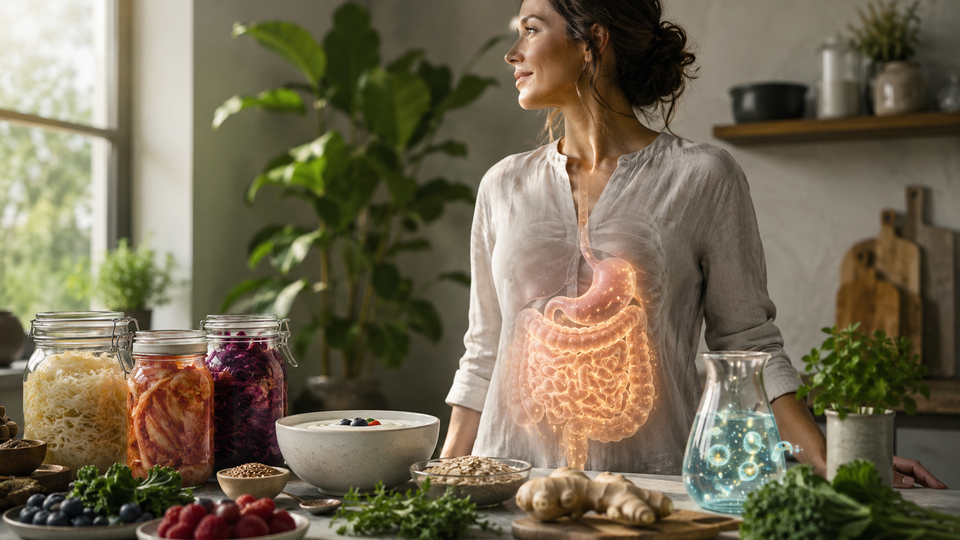
Nutrition is a foundational act of self-care. Eating whole foods, staying hydrated, and preparing meals mindfully—rather than mindlessly snacking—supports energy, immunity, and emotional balance. Self-care eating emphasizes consistency over perfection.
Emotional Wellness and Social Connection
Emotional self-care includes setting boundaries, processing feelings through journaling or therapy, and nurturing relationships. Social connection—even brief interactions—buffers against isolation and anxiety. Reaching out to a friend or joining a community around shared interests is active self-care.
Who Benefits from Learning Self-Care?
Self-care is relevant to anyone juggling work, health, relationships, or personal growth—which is everyone. But certain groups see the most immediate impact.
Busy Professionals and Parents
If you're managing a demanding job, family responsibilities, or both, self-care routines that fit into small time slots (5-15 minutes) are game-changers. Reetu Verma's course emphasizes practical routines for any schedule, so you can nourish yourself even when time is tight. Parents especially benefit from understanding that modeling self-care teaches children healthy habits.
People Managing Stress and Anxiety
According to Gallup, 37% of adults globally felt significant stress in 2024. For those struggling with anxiety or chronic stress, structured self-care—particularly mindfulness, sleep routines, and movement—provides evidence-based tools to regulate your nervous system. The course covers emotional wellness strategies explicitly designed to reduce worry and build calm.
Individuals with Chronic or Mental Health Conditions
The CDC found that 12% of U.S. adults had difficulty participating in social activities due to physical, mental, or emotional health conditions. Self-care routines adapted to your capacity—gentler movement, restorative practices, social connection—help you manage symptoms and maintain quality of life. The course teaches how to customize routines to your unique needs.
Anyone Seeking Prevention and Long-Term Wellness
You don't need to be in crisis to benefit from self-care. Building habits now—sleep, movement, stress management, emotional connection—prevents burnout and illness down the road. The course provides the roadmap and accountability to move from intention to consistent practice.
What Do Students Say?
"This book is a fantastic resource for self-care, offering practical recommendations for any time commitment, whether you have just 5 minutes or a full hour. It provides actionable steps for nurturing your well-being, no matter how busy your schedule is. With simple yet effective routines, it empowers readers to take care of themselves in ways that fit their unique needs and lifestyle. Whether you're looking for a quick recharge or a deeper restorative session, this book has something for everyone."— Sixu Chen
Student feedback highlights what makes this course stand out: it's practical, flexible, and immediately actionable. Whether you have 5 minutes or an hour, the course meets you where you are and builds sustainable self-care into your life.
About the Creator
Reetu Verma is the Founder of Healing Health & Happiness and has created 3 courses on The Great Discovery, reaching 6 learners with a perfect 5.0-star rating. Her expertise in holistic wellness and practical habit-building makes her an ideal guide for anyone ready to prioritize self-care.
Learn more about Reetu and explore her other courses: Visit Reetu Verma's Creator Page →
Essential Self-Care Practices and Benefits
| Self-Care Category | Key Practices | Primary Benefit | Time Required |
|---|---|---|---|
| Sleep and Rest | Consistent bedtime, dark environment, wind-down routine | Immune function, cognitive clarity, emotional stability | 7–9 hours nightly |
| Mindfulness | Meditation, breathing exercises, body scanning | Stress reduction, emotional regulation, mental focus | 5–20 minutes daily |
| Movement | Walking, yoga, stretching, dance, sports | Energy, mood, cardiovascular health, physical strength | 20–30 minutes, 3× weekly |
| Nourishment | Whole foods, hydration, mindful eating, meal prep | Stable energy, immune support, digestive health | Incorporated into meals |
| Emotional Wellness | Journaling, therapy, boundary-setting, social connection | Resilience, self-awareness, reduced isolation | 15–30 minutes daily or weekly |
| Social Connection | Time with friends/family, community groups, support networks | Belonging, reduced anxiety, increased longevity | Regular, 10+ minutes weekly |
These six categories form the foundation of sustainable self-care. Reetu Verma's course walks you through each one with routines, techniques, and real-world examples you can adapt to your life immediately.

Master Self-Care with Expert Guidance
Reetu Verma's course covers all of these practices and more, with structured lessons you can complete at your own pace. Move from understanding self-care to building habits that stick.
Enroll in The Ultimate Self-Care Guide →
Watch Before You Enroll
Watch this short video overview to understand the main ideas behind The Ultimate Self-Care Guide before you enroll.
This video introduces The Ultimate Self-Care Guide and previews you will discover simple self-care routines, mindfulness and relaxation techniques, healthy eating and exercise tips, and emotional wellness strategies to help you nurture your mind, body, and spirit.
Frequently Asked Questions
What is self-care, exactly?
Self-care is intentional action to maintain or improve your health without professional intervention. According to WHO, it includes practices like sleep, movement, stress management, nutrition, and emotional connection. It's not selfish—it's preventive health.
How much time does self-care really take?
Effective self-care scales to your schedule. A basic routine can take as little as 15 minutes daily (sleep consistency, a short meditation, a walk, or journaling). Longer sessions on weekends are a bonus, not a requirement. Consistency beats duration.
Can self-care help with anxiety and depression?
Yes. Sleep, movement, mindfulness, and social connection all reduce symptoms of anxiety and depression and support medication or therapy when needed. Self-care is not a replacement for professional mental health treatment, but it's a powerful complement.
What if I don't have much money for wellness?
Most self-care is free: walking, stretching, breathing, journaling, reaching out to friends, cooking at home. You don't need expensive equipment or memberships. This course emphasizes accessible, affordable practices anyone can implement.
Is this course backed by science?
Yes. The course is aligned with WHO guidelines on self-care interventions and includes practices supported by research in sleep science, neuroscience, sports psychology, and behavioral health. You'll learn why each technique works, not just what to do.
What makes The Ultimate Self-Care Guide different from other self-care resources?
This course offers a complete, integrated approach covering sleep, mindfulness, movement, nutrition, and emotional wellness in one place. Reetu Verma structures lessons for busy people—practical routines you can implement immediately, not just theory.
Conclusion
Self-care is not a luxury or a trend—it's a foundational health practice that enables you to thrive. From managing the sleep deprivation affecting 30.5% of adults to building resilience against the 37% of people experiencing significant stress globally, self-care routines provide actionable solutions. The practices you've learned in this article—sleep consistency, mindfulness, movement, nourishment, and emotional connection—form the backbone of sustained wellness.
The Ultimate Self-Care Guide takes these concepts and turns them into a structured learning path. With Reetu Verma's expert guidance, you'll move from understanding self-care to building habits that fit your life and stick long-term. Enroll in the course today and start your self-care journey.
Explore More on TGD
- More Mindset Courses
- Health and Fitness Courses
- Mental & Emotional Health Courses
- More courses by Reetu Verma
- The Great Discovery Homepage
Share Your Knowledge on The Great Discovery
Join Reetu Verma and hundreds of other creators sharing their expertise. Create and sell your own courses on TGD.