
Master Makeup Face Charts with Kenneth Paul Chee on TGD
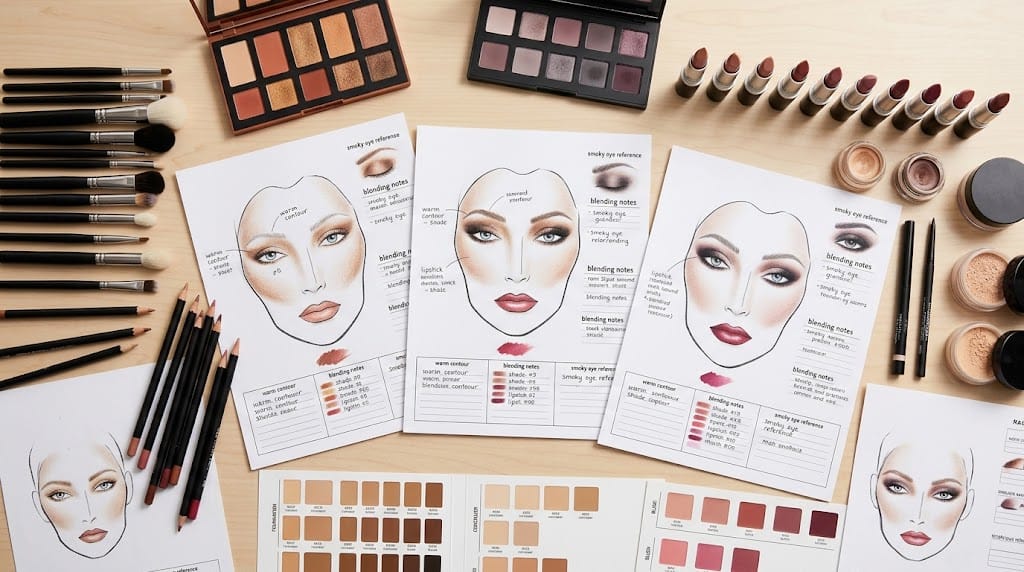
A makeup face chart is a diagram of the human face used by makeup artists to plan makeup applications, document client preferences, track service details, and create a visual reference for future appointments. Professional makeup artists use face charts to ensure consistency, improve communicatio...
Master Makeup Face Charts: A Complete Guide to Professional Documentation
A makeup face chart is a diagram of the human face used by makeup artists to plan makeup applications, document client preferences, track service details, and create a visual reference for future appointments. Professional makeup artists use face charts to ensure consistency, improve communication with clients, and maintain detailed service records.
Key Takeaways
- Face charts are essential tools for makeup artists to plan applications and document client preferences
- A well-organized face chart includes space for color swatches, notes, and appointment details
- Face charts improve client communication by showing exactly what will be applied and where
- The MakeUp Chart Booklet teaches you how to plot and structure face charts for professional use
- Face charts also work for hair styling and cutting, making them versatile for beauty professionals
Table of Contents
- Understanding Makeup Face Charts
- Key Concepts and Techniques
- Who Benefits from Learning Face Charts
- What Do Students Say
- About the Creator
- Essential Face Chart Components
- Watch Before You Enroll
- Frequently Asked Questions
- Conclusion
- Explore More on TGD
Understanding Makeup Face Charts
Face charts are professional tools that allow makeup artists to visualize and document makeup applications before applying products to a client's skin. Whether you're a beginner makeup artist or an experienced professional refining your practice, face charts solve a fundamental problem: how do you consistently recreate a look, document client preferences, and communicate your vision clearly?
A face chart is essentially a blank template of a human face—typically a front-facing outline—that makeup artists fill in with colors, notes, and product details. Unlike trying to remember a complex eye makeup look from memory, a face chart creates a permanent visual record. It shows exactly which colors go where, which products were used, application techniques, and client reactions. This is especially valuable for bridal makeup, special occasion applications, or clients who want to recreate a specific look.
Professional makeup artists use face charts for multiple purposes: planning before the appointment begins, documenting what was actually applied during the service, recording client feedback, and maintaining a portfolio of completed work. Many beauty professionals also adapt face charts for hair styling and cutting, using them to diagram hair sections, color placements, and cutting patterns.
Want to Learn Makeup Face Charts Step by Step?
Kenneth Paul Chee's free MakeUp Chart Booklet on The Great Discovery teaches you exactly how to structure and use face charts for professional makeup applications and client documentation.
Key Concepts and Techniques
Professional face charts require a systematic approach to planning, layout, and documentation. Here are the core concepts that makeup artists use to create effective face charts:
Face Outline and Proportions
A proper face chart begins with accurate facial proportions. The outline should show the basic structure of the face—forehead, cheekbones, jawline, eyes, nose, and lips—in proper relationship to each other. This accuracy allows you to map where products will actually go on a client's unique face shape. An accurate outline also makes it easier to communicate with clients who may not be familiar with makeup terminology.
Color Placement and Swatches
The most critical section of a face chart is the color area. This is where you document exactly which shades go on which parts of the face. Many professional face charts include small boxes or swatches where you can apply actual product samples, creating a physical reference. This eliminates any ambiguity about whether that bronze was warm or cool-toned, or exactly which shade of lipstick was chosen.
Product Notes and Application Details
A complete face chart includes written notes about products used, application techniques, and special instructions. For example: "Applied primer to eyelids before shadow," "Used damp brush for blending," or "Blended with beauty sponge for seamless foundation." These notes ensure you can recreate the exact look later and help clients understand why certain techniques matter.
Client Preferences and Special Instructions
Every client has unique preferences—sensitivities, allergies, coverage preferences, or specific areas to emphasize. A well-designed face chart includes space to document these preferences. For example: "Client sensitive to talc—use mineral shadow," "Prefers matte finish, no shimmer," or "Emphasize eyes over lips." This information becomes invaluable when the client returns for another appointment.
Appointment Details and Service Records
Professional face charts often include space for basic appointment information: date, service type (bridal makeup, evening look, everyday), client name, and any special occasion context. This transforms your face chart from a simple makeup plan into a service record you can reference for future business and client continuity.
Who Benefits from Learning Face Charts
Face charts are valuable tools for anyone working in beauty and appearance services. Here's who benefits most from learning this skill:
Professional Makeup Artists
Makeup artists are the primary users of face charts. Whether you work in bridal, theatrical, film, or editorial makeup, face charts allow you to plan complex applications, document your work, and maintain consistency across multiple appointments. For bridal makeup artists especially, face charts become a portfolio tool—showing brides exactly what their makeup will look like before the big day. This course provides the foundational structure you need to develop your own charting system.
Hair Stylists and Salon Professionals
Hair professionals use adapted versions of face charts to diagram cutting patterns, color placements, and styling details. The principles taught in this course—systematic layout, clear documentation, and client communication—apply directly to hair services. Many beauty professionals find that combining makeup and hair charting creates a more complete service record.
Beauty Students and Career Changers
If you're entering the beauty industry through a vocational program or career transition, face charts are a foundational skill that employers expect. Learning to create organized, professional-looking charts demonstrates your commitment to quality work and client service. This intermediate-level course provides a structured approach you can start using immediately in your studies or new career.
Freelance Beauty Professionals and Small Business Owners
Freelance makeup artists and salon owners who want to scale their business need systems for consistency and documentation. Face charts are one of those systems—they reduce the cognitive load of remembering details and allow you to delegate or collaborate with other artists without losing consistency. The booklet format makes it easy to create physical records you can file or share with clients.
What Do Students Say
This course is new to the marketplace and hasn't collected reviews yet. Check back after launch for student feedback.
About the Creator
Kenneth Paul Chee, known professionally as "Groom," is a hair stylist and makeup artist with expertise in both fields. He has created 6 courses on The Great Discovery and has taught over 3 learners through the platform.
Kenneth brings practical, hands-on experience to his teaching. His focus on face charts and booklet-based learning reflects years of professional practice—understanding what tools actually work in real salon and freelance environments. By creating a structured booklet approach, he's made face charting accessible to students at all levels who want to professionalize their practice.
Learn more about Kenneth and explore his other courses: Visit Kenneth Paul Chee's Creator Profile →
Essential Face Chart Components
Professional face charts contain specific sections that work together to create a complete service record. Here's what goes into an effective makeup face chart:
| Component | Purpose | What It Includes |
|---|---|---|
| Face Outline | Provides structure and scale for mapping products | Front-facing face drawing with facial features (eyes, nose, lips, ears, jawline) |
| Eyeshadow Map | Shows color placement and blending on eyelids | Space for color swatches or descriptions (lid color, crease color, highlight, liner) |
| Cheek and Blush Map | Documents cheek color, bronzer, and contour placement | Visual indication of where products apply and intensity/blend pattern |
| Lip Map | Records lip color, liner, and finish used | Color swatch area or detailed note about undertone and formula type |
| Product Notes Section | Lists brands, shades, and application techniques | Space for product names, shade numbers, and how they were applied |
| Appointment Details | Creates a service record for business continuity | Date, client name, service type, occasion, special requests or notes |
Kenneth Paul Chee's MakeUp Chart Booklet teaches you how to structure and use each of these components to create organized, professional face charts you can use immediately in your makeup practice or beauty business.

Master Makeup Documentation with Expert Guidance
Kenneth Paul Chee's course covers the complete face chart system used by professional makeup artists, with structured lessons you can complete at your own pace. From basic outlines to detailed product documentation, you'll learn the exact approach that makes face charts a powerful business tool.
Enroll in MakeUp Chart Booklet by Groom →
Watch Before You Enroll
Learn how to become an affiliate on The Great Discovery — the best affiliate program for course creators and marketers in 2026. Start earning commissions by sharing courses you believe in.
Ready to Go Deeper?
You've learned what face charts are, why professionals use them, and what components make them effective. Kenneth's free course takes you from understanding to practical application—showing you exactly how to plot, organize, and use face charts in your makeup practice.
Start Learning Makeup Face Charts on TGD →
Frequently Asked Questions
What is a makeup face chart used for?
A makeup face chart is used to plan makeup applications, document client preferences and product details, create a visual reference for recreating looks, and maintain a service record. Professional makeup artists use face charts to ensure consistency across appointments and to improve communication with clients about exactly what products and techniques will be used.
Do I need to be a professional makeup artist to use face charts?
No. Face charts are useful for anyone interested in makeup—from beauty students learning the fundamentals to freelance artists building a business to makeup enthusiasts documenting their own looks. They're especially helpful if you want to remember how you created a specific look or plan complex makeup applications before applying products.
What should I include in a face chart?
An effective face chart includes a face outline, sections for mapping eyeshadow placement, cheek and blush colors, lip details, product notes (brands and shades), application techniques, appointment information (date, client name, occasion), and space for client preferences or special instructions. Kenneth's booklet teaches you how to organize all of this information in a professional format.
Can face charts be used for hair styling too?
Yes. Many beauty professionals adapt the face chart concept for hair services. You can use a similar diagram to map hair cutting sections, color placements, styling patterns, or texture details. The systematic documentation approach works for any appearance service where you want to maintain consistency and client records.
Is the MakeUp Chart Booklet course really free?
Yes. Kenneth Paul Chee's MakeUp Chart Booklet is a free course on The Great Discovery. You can access it immediately without any payment, making it an excellent way to learn professional face charting basics and determine if you want to explore other beauty courses on the platform.
What skill level is this course designed for?
The course is designed for intermediate learners—people who have basic makeup knowledge and are ready to learn professional documentation and planning systems. If you're just starting your makeup journey, you may want to first build foundational makeup skills, then return to this course to learn how to document and plan your applications professionally.
Conclusion
Face charts are more than planning documents—they're professional systems that transform how makeup artists work. Whether you're documenting a client's bridal look, maintaining records of your best work, or communicating your vision before picking up a brush, face charts create clarity and consistency. You've learned what face charts contain, who uses them, and why they matter across the beauty industry. The next step is to develop your own charting system and start using it in your practice. Kenneth Paul Chee's free MakeUp Chart Booklet provides the exact structure and approach professional makeup artists use, giving you a proven framework to adapt to your own style and client needs. Start with the foundations taught in his course, then build your personal charting system from there.
Explore More on TGD
- More Beauty & Style Courses on The Great Discovery
- Professional Studies Courses
- Vocational & Tech Courses
- The Great Discovery Home
- More Courses by Kenneth Paul Chee (Groom)
Share Your Knowledge on The Great Discovery
Join Kenneth Paul Chee and hundreds of other creators sharing their expertise. Create and sell your own courses on TGD.