
Persistent Fatigue Basics with Jack Zoldan on TGD
Persistent fatigue is a symptom, not a diagnosis. It can reflect sleep problems, anemia, thyroid imbalance, inflammation, medication effects, post-viral recovery, or environmental stressors, so the smartest first step is to trace patterns, not just chase a single test result.

Persistent fatigue is a symptom, not a diagnosis. It can reflect sleep problems, anemia, thyroid imbalance, inflammation, medication effects, post-viral recovery, or environmental stressors, so the smartest first step is to trace patterns, not just chase a single test result.
Key Takeaways
- Persistent fatigue is a symptom with many possible causes, including sleep loss, anemia, thyroid imbalance, inflammation, medications, and post-viral recovery.
- Unexplained symptoms are easier to understand when you track timing, triggers, flares, and what improves or worsens the pattern.
- Red-flag changes such as chest pain, fainting, shortness of breath, or sudden neurological symptoms deserve prompt medical attention.
- Jack Zoldan's course is written for beginners and uses a practical, medically grounded approach rather than jargon.
- The course is most useful after you have learned the basics and want a structured next step inside TGD.
Table of Contents
- Understanding Persistent Fatigue and Unexplained Symptoms
- Key Concepts and Techniques
- Who Benefits from Learning Persistent Fatigue Basics?
- What Do Students Say?
- Is This Course Worth It?
- About the Creator
- Key Fatigue Clues and What They May Mean
- Watch Before You Enroll
- Frequently Asked Questions
- Conclusion
- Explore More on TGD
Understanding Persistent Fatigue and Unexplained Symptoms
Persistent fatigue and unexplained symptoms matter because they often point to a system problem rather than ordinary tiredness.
Sleep disorders, anemia, thyroid dysfunction, inflammatory illness, medication effects, mood disorders, and post-viral recovery can all show up as low energy, brain fog, aches, or reduced stamina. The same symptom can have a different cause in different people, which is why careful pattern recognition matters more than guessing from one bad day. What makes this topic important is that many people are told their tests are 'normal' even while their function keeps slipping. That gap between results and lived experience is where clear education helps. It teaches people to notice timing, exposures, activity limits, and symptom clusters so they can ask better questions and get a more targeted evaluation. In practical terms, understanding fatigue is about separating urgent warning signs from longer-term patterns and learning which habits, conditions, and environmental factors commonly drive the problem.
Want to Learn Persistent Fatigue Step by Step?
This course on The Great Discovery covers these fundamentals in a more structured format.
The Great Discovery (TGD) is a global online course marketplace where creators publish courses and learners discover practical training across business, technology, wellness, and personal growth.
Key Concepts and Techniques
The useful way to think about persistent fatigue is as a pattern of inputs, not a single mystery.
Track symptom patterns
A symptom log helps you see what memory often misses. Note sleep, meals, stress, activity, exposures, and the timing of flares, then look for repeatable links.
Rule out common medical causes
Many cases of fatigue connect to sleep disorders, anemia, thyroid problems, medication effects, or infection recovery. The point is not to self-diagnose, but to know which lanes deserve attention first.
Reduce hidden burdens
The course description emphasizes strengthening the body and reducing hidden burdens, and that idea is practical. Hidden burdens can include poor sleep, dehydration, chronic inflammation, environmental stress, or a medication list that is quietly draining energy.
Build resilience basics
Regular sleep, steady meals, gentle movement, and adequate hydration do not fix every cause, but they stabilize the baseline. When the baseline improves, it becomes easier to see what is still wrong.
Who Benefits from Learning Persistent Fatigue Basics?
This topic helps people who need a clearer framework for symptoms that never seem to match the lab report.
People with ongoing low energy
If you wake up tired and never fully recover, you need a system for observing patterns. This Basic-level course is a good starting point because it offers a practical, medically grounded framework without assuming advanced training.
People with long-standing mystery illnesses
If your symptoms have bounced between labels like chronic fatigue syndrome, chronic Lyme disease, fibromyalgia, or ME/CFS, you need a better way to compare possibilities. The course is especially relevant here because its description speaks directly to long-standing health problems that routine testing may not explain.
Adults focused on vibrant aging
Energy loss often becomes more visible with age because sleep, recovery, and resilience get harder to maintain. The Vibrant Aging category fits because this topic is really about preserving function, not just reacting to a crisis.
Caregivers and support partners
When someone looks fine but feels terrible, the people around them often underestimate the burden. Learning the basics helps you support them more accurately and ask better questions without dismissing their experience.
What Do Students Say?
This course is new to the marketplace and hasn't collected reviews yet. Check back after launch for student feedback.
Is This Course Worth It?
Yes, if you want a structured, medically grounded introduction to persistent fatigue and unexplained symptoms.
It is best for beginners, readers dealing with long-running symptoms, and anyone who wants plain-English guidance from an internal medicine doctor. The Basic skill level makes it approachable.
It is not for someone who needs emergency care, a specialist diagnosis, or a substitute for clinical evaluation. It also is not the right fit if you want advanced technical depth instead of practical foundations.
As a next step on TGD, this course makes the most sense when you want topic-specific structure, a clinical point of view, and a framework you can use before and after appointments. The creator's marketplace footprint is small, so topic fit and clinical grounding matter more than social proof here.
About the Creator
Jack Zoldan brings an internal medicine background to the topic.
He is listed as an Internal Medicine Doctor. He has created 5 courses, reached 2 total learners, and currently shows an average rating of 0.0 on the marketplace.
Review the creator profile here: Jack Zoldan on TGD
Key Fatigue Clues and What They May Mean
This table summarizes common patterns that can help you think clearly about persistent fatigue.
| Pattern | What It Can Suggest | What to Notice |
|---|---|---|
| Poor sleep or sleep apnea | Fragmented recovery, morning headache, daytime sleepiness | Snoring, frequent waking, unrefreshing sleep |
| Iron deficiency or anemia | Reduced oxygen delivery, exercise intolerance | Heavy periods, pale skin, shortness of breath |
| Thyroid imbalance | Slower or faster metabolism | Cold intolerance, constipation, palpitations, weight change |
| Medication side effects | Energy drain, brain fog, dizziness | Timing after starting or changing a drug |
| Post-viral fatigue or ME/CFS | Crashes after exertion, brain fog, orthostatic symptoms | How you feel 12 to 48 hours after activity |
| Environmental or inflammatory stress | Symptoms that worsen in specific places or seasons | Mold exposure, air quality, chemical sensitivity, flare patterns |
These clues do not diagnose the cause, but they help you move from vague exhaustion to better questions. The course uses the same kind of stepwise thinking, especially for people whose symptoms have not been explained by routine testing.
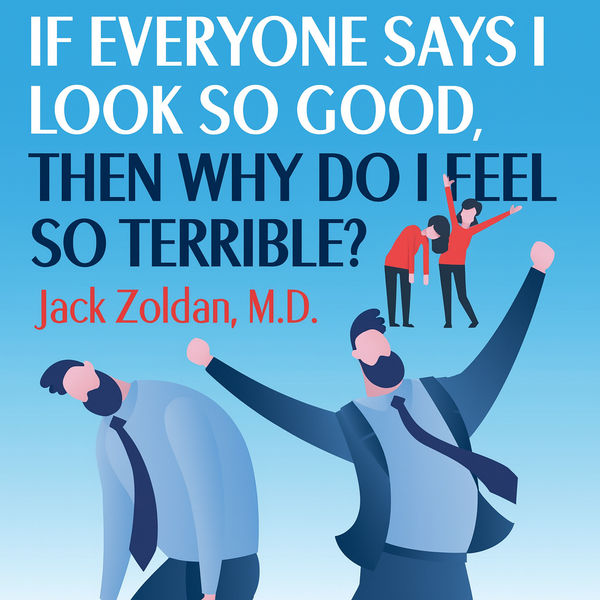
Master Persistent Fatigue with Expert Guidance
Jack Zoldan's course covers these concepts and more, with structured lessons you can work through at your own pace.
Enroll in IF EVERYONE SAYS I LOOK SO GOOD, THEN WHY DO I FEEL SO TERRIBLE? →
Watch Before You Enroll
The video below explains how sharing and recommending courses works on TGD.
Learn how to become an affiliate on The Great Discovery — the best affiliate program for course creators and marketers in 2026. Start earning commissions by sharing courses you believe in.
Frequently Asked Questions
These are the most common questions readers ask about persistent fatigue and unexplained symptoms.
What causes persistent fatigue?
Persistent fatigue can come from sleep disorders, anemia, thyroid disease, medications, depression, inflammatory illness, or post-viral recovery. Because the symptom has many possible causes, history and pattern recognition matter more than guessing from one lab result.
How is chronic fatigue different from normal tiredness?
Normal tiredness usually improves with rest and does not keep compounding. Chronic fatigue tends to persist, recur, or worsen after exertion, and it may include brain fog, pain, or poor sleep.
Can stress really cause unexplained symptoms?
Stress can intensify pain, GI symptoms, sleep disruption, and fatigue, but it should not be used as a default explanation for everything. A good evaluation still looks for sleep, metabolic, inflammatory, and medication-related causes.
When should fatigue be checked by a doctor?
Fatigue deserves medical evaluation when it lasts for weeks, limits daily function, or comes with weight loss, fever, chest pain, shortness of breath, fainting, or new neurological symptoms. Those features can point to problems that need direct care.
Is it possible to feel awful even when tests are normal?
Yes. Normal basic tests do not always explain sleep problems, post-viral syndromes, medication effects, environmental triggers, or early-stage illness, so the symptom history still matters.
Is this TGD course suitable for beginners?
Yes. The course is listed as Basic and is framed as a practical, medically grounded guide, so it fits readers who want an accessible starting point rather than advanced technical training.
Ready to Go Deeper?
You've learned the basics of persistent fatigue, symptom patterns, and why vague exhaustion deserves a structured approach. This course takes you from understanding to practical application.
Start Learning Persistent Fatigue on TGD →
Conclusion
Persistent fatigue becomes clearer when you treat it as a pattern to investigate, not a personal failure. The key ideas are simple: look for common medical causes, track timing and triggers, notice red flags, and separate short-term tiredness from a longer-running energy problem. That approach helps readers make better decisions and talk to clinicians with more useful information. If you want a structured next step, Jack Zoldan's course offers a basic, medically grounded framework that fits the topic well. Explore the course on TGD
Explore More on TGD
If this topic resonates, these TGD paths are the closest next steps.
- Medical courses
- Health and Fitness courses
- Vibrant Aging courses
- TGD Success courses
- The Great Discovery homepage
- Jack Zoldan creator page
Share Your Knowledge on The Great Discovery
Join Jack Zoldan and hundreds of other creators sharing their expertise. Create and sell your own courses on TGD.