
Unlocking Dentistry with Dr. Alevtina Malakova on TGD
Dentistry is the clinical and operational system for preventing, diagnosing, and treating oral disease. It combines exams, X-rays, specialty procedures, office workflows, insurance, and technology so patients and professionals can understand what happens in a dental visit.
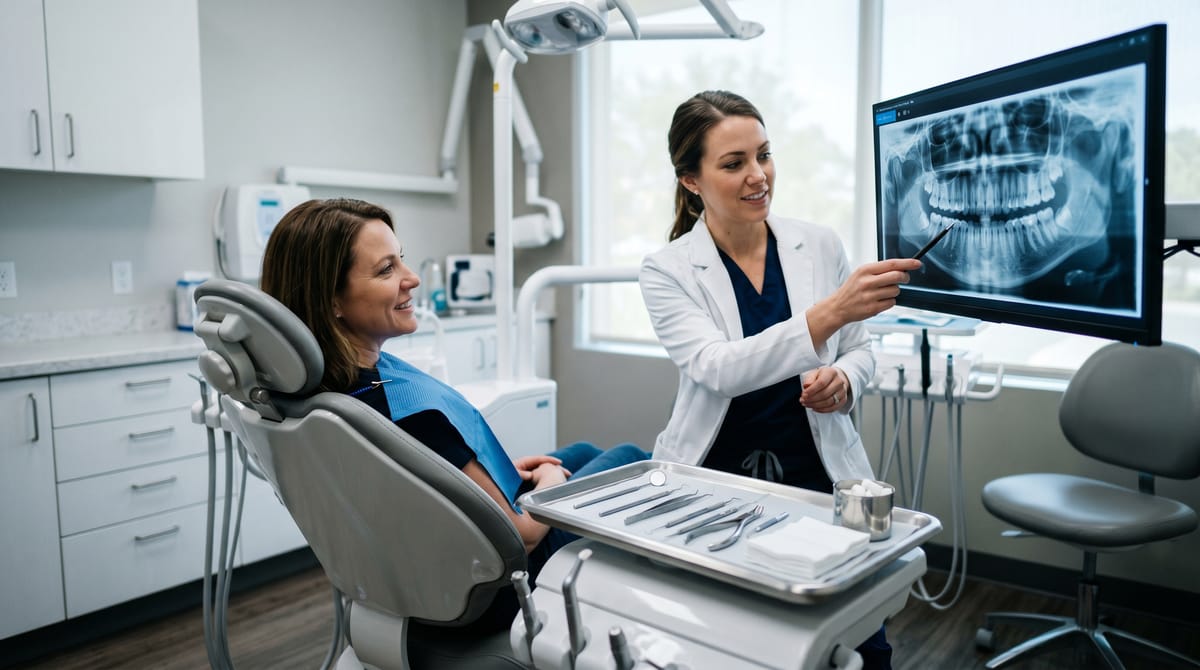
Dentistry is the clinical and operational system for preventing, diagnosing, and treating oral disease. It combines exams, X-rays, specialty procedures, office workflows, insurance, and technology so patients and professionals can understand what happens in a dental visit.
Key Takeaways
- Untreated cavities are still common, so prevention matters as much as repair.
- Fluoride varnish, sealants, and fluoridated water are proven tools that lower cavity risk.
- Dental care is organized around specialties, so different problems are handled by different teams.
- Office operations, insurance, and technology shape the patient experience just as much as treatment.
- Unlocking Dentistry is a basic, general-audience course that turns all of those moving parts into a structured overview.
Table of Contents
- Understanding Dentistry Basics
- Key Concepts and Techniques
- Who Benefits from Learning Dentistry?
- What Do Students Say?
- Is This Course Worth It?
- About the Creator
- Dental Concepts Deep Dive
- Watch Before You Enroll
- Frequently Asked Questions
- Conclusion
- Explore More on TGD
Understanding Dentistry Basics
Dentistry is both a medical specialty and a practical system for keeping mouths healthy. It includes prevention, diagnosis, treatment, and the behind-the-scenes work that keeps visits safe and efficient. According to the CDC, 1 in 5 U.S. adults ages 20 to 64 has at least one untreated cavity, which shows how common preventable oral disease remains. The same CDC guidance says fluoride varnish can reduce cavities in primary teeth by one-third, and sealants on back teeth can prevent 80% of cavities.
That matters because oral health is not just about fixing pain after the fact. According to the CDC Community Water Fluoridation Facts, fluoridated water reduces cavities by about 25% in children and adults, and communities with fluoridated water save an average of $32 per person each year. The CDC also reports that 72.3% of people served by community water systems had access to fluoridated water in 2022, which shows why prevention still depends on access, awareness, and routine care.
Want to Learn Unlocking Dentistry - Dental Concepts and Insider Scoop Step by Step?
This course on The Great Discovery covers the fundamentals in a structured format, including dentistry basics, office roles, procedures, and newer tools like teledentistry.
The Great Discovery (TGD) is a global online course marketplace where creators publish courses and learners discover practical training across business, technology, wellness, and personal growth.
Key Concepts and Techniques
The basics of dentistry become easier to follow when you group them into specialties, workflows, technology, and access. Those four lenses help you understand both what happens in the chair and why a practice is organized the way it is.
Dental specialties and pathways
The course outlines major procedure families such as periodontics, restorative dentistry, prosthodontics, endodontics, orthodontics, pediatric dentistry, and oral surgery. That map helps readers understand which specialist handles which kind of problem, and why a general dentist often coordinates referrals instead of doing everything alone.
The dental visit workflow
A dental office visit is a sequence, not a single event. Reception, chairside support, clinical evaluation, imaging, treatment, and follow-up each serve a different purpose, and the course explains who works inside the office so the process feels less opaque.
Technology, X-rays, and labs
Modern dentistry depends on imaging, digital tools, and lab work to see what the eye cannot. X-rays reveal hidden decay, root issues, and bone changes, while labs and purchasing resources influence the quality and timing of crowns, prosthetics, and other restorations.
Insurance and office economics
According to the ADA, equipment and supply expenses had risen 5% since the beginning of 2025, one-third of dentists reported insufficient patient volume, and more than one-third planned to drop some dental insurance networks in 2026. Those pressures explain why insurance and network decisions shape both access and office survival.
Teledentistry and access
Teledentistry extends triage, consultation, and patient education beyond the exam room. It does not replace hands-on care, but it can help practices sort urgency, answer common questions, and connect patients to the right next step sooner.
Who Benefits from Learning Dentistry?
This topic helps anyone who wants to understand how dental care works before they walk into an office or choose a specialty path. The course is Basic and built for General Audiences, so it is meant to clarify the field rather than overwhelm the learner.
Patients and caregivers
If you want to understand why a dentist recommends X-rays, sealants, or a referral, this topic gives you the language to ask better questions. Unlocking Dentistry is a good starting point here because it explains office visits, insurance, and common procedures in plain English.
Students exploring dentistry
Prospective dental students and pre-health learners need a map before they need memorization. The course’s coverage of U.S. dental school pathways and specialty options makes it useful for anyone testing whether dentistry is the right long-term lane.
Front-office and practice staff
Administrative teams benefit from understanding how clinical choices, technology, and insurance intersect. When schedules are tight and network participation is under pressure, a clearer model of the practice helps people communicate more accurately with patients.
Career changers and new assistants
People entering dentistry from another field often need vocabulary first and technical depth second. A beginner-friendly course like this can shorten the learning curve by turning dental concepts into a structured overview instead of a pile of disconnected terms.
What Do Students Say?
"Wow! Such a detailed course! It definitely does Unlock the Dentistry! Beautiful presentation, and many dental concepts are really explained so well! I now see why certain things are done in the dental office the way they are! Thank you Dr. Tina for making this so understandable. And for making this course so affordable!! :)"— Ariela Fuz
The available feedback centers on clarity, detail, and the way the material makes office decisions easier to understand. Even with a small review set, the sentiment is strongly positive and points toward a course that teaches in plain language.
Is This Course Worth It?
Yes, if you want a clear beginner-level map of how dentistry works.
It is best for readers who want to understand dental vocabulary, common procedures, office roles, and the business realities that shape care. It is also a good fit for general audiences who prefer a structured overview over scattered online explanations.
It is not for clinicians who already know the field and want advanced procedural depth or specialty-level continuing education. If you need a simple, organized entry point into dentistry, the course looks like a strong next step on TGD because it matches the topic, the Basic level, and the practical feedback already available.
About the Creator
Creator: Dr. Alevtina Malakova
Courses created: 2
Total learners: 12
Average rating: 5.0
No creator bio is provided on the course page, but the public profile shows a small catalog and consistently positive learner feedback. View the creator profile here: https://thegreatdiscovery.com/creators/creator/668027f24c0be?affiliate=account
Dental Concepts Deep Dive
These core concepts are worth knowing even if you never take the course. They explain why a dental office looks the way it does, how decisions are made, and where the main prevention levers sit.
| Concept | What It Means | Why It Matters |
|---|---|---|
| Fluoride prevention | Fluoride strengthens enamel and lowers the chance of decay. | It is one of the simplest and most effective ways to reduce cavities. |
| Dental sealants | Sealants are protective coatings placed on chewing surfaces. | They block deep grooves where many cavities begin. |
| Specialty pathways | Periodontics, endodontics, orthodontics, prosthodontics, pediatric dentistry, and oral surgery each cover different needs. | Knowing the specialty map makes referrals and treatment plans easier to understand. |
| X-rays and imaging | Imaging reveals hidden decay, root problems, and bone changes. | It helps dentists diagnose issues that are not visible during a basic visual exam. |
| Insurance and networks | Coverage rules and network participation shape how offices bill and how patients pay. | They affect access, scheduling, and the business side of dental care. |
| Teledentistry | Remote consults and triage support patient education and access. | It helps practices sort urgency and connect patients to the right next step faster. |
Unlocking Dentistry covers these ideas in a beginner-friendly way, then connects them to office operations, technology, and practical office decisions. That makes the course useful for readers who want context before they need clinical detail.

Master Unlocking Dentistry - Dental Concepts and Insider Scoop with Expert Guidance
Dr. Alevtina Malakova’s course expands on these concepts with structured lessons on specialties, office roles, technology, insurance, and teledentistry.
Enroll in Unlocking Dentistry - Dental Concepts and Insider Scoop →
Watch Before You Enroll
Learn how to become an affiliate on The Great Discovery — the best affiliate program for course creators and marketers in 2026. Start earning commissions by sharing courses you believe in.
Frequently Asked Questions
What is dentistry?
Dentistry is the branch of health care that prevents, diagnoses, and treats disease in the teeth, gums, and mouth. According to the CDC, oral disease is still common, which is why prevention and routine care matter as much as treatment.
How do fluoride and sealants help prevent cavities?
According to the CDC, fluoride varnish reduces cavities in primary teeth by one-third, and sealants on back teeth prevent 80% of cavities. Those interventions are especially useful because many cavities start in hard-to-clean areas.
Why are dental X-rays used?
X-rays help dentists see what is hidden below the surface, including decay between teeth, root problems, and bone changes. They support diagnosis when a visual exam alone is not enough.
What is teledentistry?
Teledentistry uses remote communication for consultation, triage, and patient education. It is most useful for helping people understand urgency and identify the right next step before an in-person visit.
Why do dental offices care so much about insurance and networks?
According to the ADA, equipment and supply expenses had risen 5% since the beginning of 2025, one-third of dentists reported insufficient patient volume, and more than one-third planned to drop some insurance networks in 2026. Those pressures directly affect access, scheduling, and business stability.
Who is Unlocking Dentistry best for?
The course is marked Basic and General Audiences, so it is a good fit for beginners, patients, caregivers, and people exploring the field. It also works well for office staff who want a clearer picture of procedures, technology, and office operations.
Ready to Go Deeper?
You have learned the fundamentals of dentistry, from prevention to specialties to office operations. This course takes you from understanding to practical application.
Start Learning Dentistry on TGD →
Conclusion
Dentistry makes more sense once you see how prevention, specialty pathways, imaging, office workflow, insurance, and teledentistry fit together. The field is both clinical and operational, and the CDC and ADA data show why that matters: cavities remain common, prevention works, and practice economics affect access. If you want a beginner-friendly explanation that connects all of those pieces, Unlocking Dentistry - Dental Concepts and Insider Scoop is a logical next step on The Great Discovery. Explore the course here →
Explore More on TGD
Keep learning with related category pages and the creator profile on The Great Discovery.
- Browse Dental Care courses
- Browse TGD Success courses
- Browse Dentistry courses
- Visit The Great Discovery homepage
- Visit Dr. Alevtina Malakova’s creator page
Share Your Knowledge on The Great Discovery
Join Dr. Alevtina Malakova and hundreds of other creators sharing their expertise. Create and sell your own courses on TGD.