
Basketball Coaching Mistakes | Randy Brown | TGD
The most costly mistakes basketball coaches make are overloading players, creating a tense sideline culture, and chasing short-term wins over development. Those choices raise injury risk, weaken trust, and push athletes away from the game.
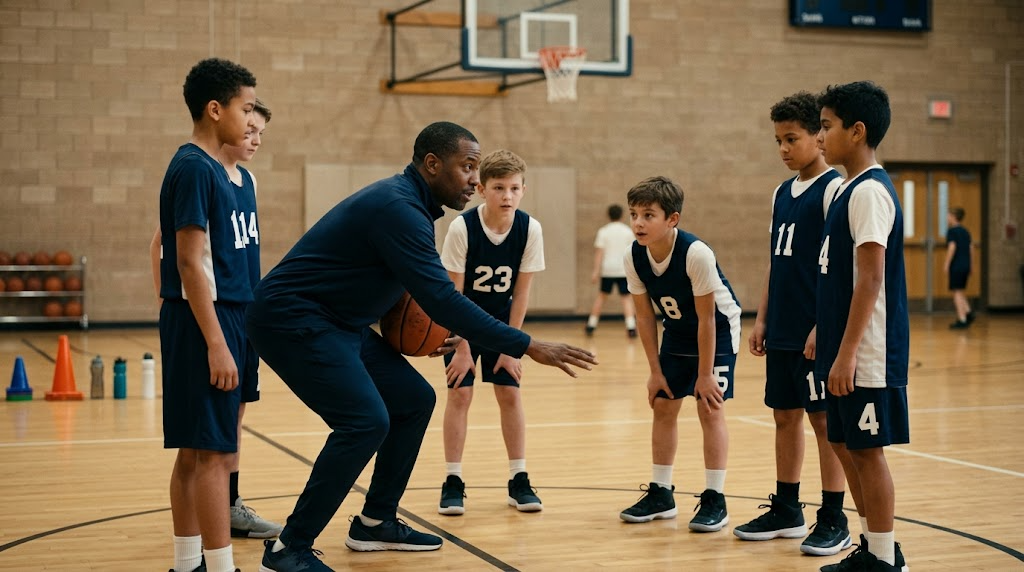
The most costly mistakes basketball coaches make are overloading players, creating a tense sideline culture, and chasing short-term wins over development. Those choices raise injury risk, weaken trust, and push athletes away from the game.
Key Takeaways
- Overuse is a major youth-sports problem; Johns Hopkins Medicine says about half of youth sports injuries are overuse injuries.
- Basketball coaches affect retention as well as results, because players stay longer when practices feel structured, fair, and safe.
- The NBA and USA Basketball recommend delaying basketball specialization until at least age 14 and keeping at least one rest day each week.
- Coach-parent conflict is a real stress point; SafeSport found 46% of coaches faced verbal harassment or abuse while coaching.
- Randy Brown’s course turns those coaching ideas into a practical, team-first framework for better habits.
Table of Contents
- Understanding Basketball Coaching Mistakes
- Key Concepts and Techniques
- Who Benefits from Learning Basketball Coaching Mistakes?
- What Do Students Say?
- Is This Course Worth It?
- About the Creator
- Common Basketball Coaching Mistakes and Better Responses
- Watch Before You Enroll
- Frequently Asked Questions
- Conclusion
- Explore More on TGD
Understanding Basketball Coaching Mistakes
Basketball coaching mistakes matter because they affect health, trust, and retention, not just the scoreboard. According to NFHS, U.S. high school sports participation reached 8,266,244 athletes in 2024-25, with 540,704 boys and 356,240 girls in basketball. That scale means small coaching habits reach a very large number of players.
According to Johns Hopkins Medicine, about half of youth sports injuries are overuse injuries, and risk rises when athletes train more than 16 hours per week or more hours per week than their age. The NBA and USA Basketball recommend delaying basketball specialization until at least age 14, taking at least one rest day per week, and avoiding dense tournament schedules. The most costly mistakes are usually workload mistakes, communication mistakes, and culture mistakes that slowly drive players out of the sport. According to SafeSport, 46% of coaches have been the target of verbal harassment or abuse, often from parents, which shows how easily sideline pressure can spill into team life.
Want to Learn Basketball Coaching Mistakes Step by Step?
This course on The Great Discovery covers these fundamentals in a more structured format, so you can turn the ideas into repeatable coaching habits.
The Great Discovery (TGD) is a global online course marketplace where creators publish courses and learners discover practical training across business, technology, wellness, and personal growth.
Key Concepts and Techniques
Good coaching is less about avoiding one bad game and more about building repeatable habits. The strongest coaching decisions protect player health, set clear standards, and keep the team focused on learning.
Manage workload and recovery
If players practice too long, play too many games, or never get a real rest day, fatigue stacks up quickly. Johns Hopkins Medicine links overuse to a large share of youth sports injuries, so recovery should be part of the plan, not an afterthought.
Set a calm sideline standard
Players absorb the emotional tone of coaches and parents. SafeSport’s 2025 findings make that concrete, because verbal harassment and abuse are common enough that coaches need a clear communication code before pressure peaks.
Teach teamwork as a skill
The course description emphasizes teamwork and the lessons that team sports teach, which means basketball instruction should reward communication, spacing, help defense, and selfless decision-making. A team that understands shared responsibility usually handles pressure better than one built only around talent.
Build for development, not just winning
Short, focused practices with clear objectives usually teach more than long, unfocused sessions. The NBA and USA Basketball guidance supports a development model where athletes improve through balanced training, enough rest, and steady skill growth.
Who Benefits from Learning Basketball Coaching Mistakes?
This topic helps anyone who has to shape behavior, not just run drills. Because basketball reaches hundreds of thousands of high school athletes and youth sports participation is so large, even small coaching improvements can have an outsized effect.
New head coaches
New head coaches benefit most because early habits tend to become team culture. If you want a simple framework for avoiding overloading players, managing emotion, and teaching teamwork, Randy Brown’s TGD course is a practical starting point.
Assistant coaches and volunteer coaches
Assistant coaches often control the daily tone of the program, especially during practice and on the bench. That makes this topic useful for coaches who need a clearer way to communicate without adding pressure.
School and club program leaders
Program leaders need a lens for retention as much as performance. With 8,266,244 athletes in U.S. high school sports and a documented 46% rate of coach-targeted harassment in SafeSport’s survey, culture is a systems issue, not a personality issue.
Parents who coach
Parent-coaches sit close to the pressure points, so boundaries matter even more. The NBA and USA Basketball recommendations on rest and specialization give parent-coaches a grounded baseline, and Brown’s course can help translate those ideas into a usable team approach.
What Do Students Say?
This course is new to the marketplace and hasn’t collected reviews yet. Check back after launch for student feedback. For now, the best signal is the course’s clear focus on teamwork, learning value, and healthier coaching habits.
Is This Course Worth It?
Yes, if you want a practical reset on the habits that most often hurt basketball teams.
It is best for coaches who want a clear reminder about workload, sideline tone, and long-term development. It also suits leaders who value the teamwork and learning lessons that sports can teach.
It is not for readers who want advanced offensive systems, scouting detail, or a playbook-heavy clinic.
As a next step on TGD, this course makes sense when your priority is fixing culture and protecting player engagement before those problems become larger.
About the Creator
Randy Brown is listed as a Coach & Speaker on TGD. He has created 1 course, reached 4 total learners, and shows an average rating of 0.0. His creator page is available here: Randy Brown on The Great Discovery.
That small footprint suggests a focused creator profile rather than a large catalog. For readers who want a concise coaching lesson centered on teamwork and learning, that can be a useful fit.
Common Basketball Coaching Mistakes and Better Responses
This table turns the topic into a practical coaching reference. Each row shows a common mistake, why it hurts, and a better response you can use in a team setting.
| Coaching mistake | Why it hurts | Better response |
|---|---|---|
| Too much practice volume | Fatigue accumulates and overuse risk rises. | Shorten the session, focus each rep, and protect recovery time. |
| Early specialization pressure | Players lose variety and can burn out sooner. | Keep training broad and delay full basketball specialization until at least age 14. |
| Emotional sideline language | Players tighten up and trust drops. | Use calm, specific feedback and set parent communication standards early. |
| Ignoring recovery days | Overuse injuries become more likely. | Build at least one rest day into the week and avoid dense tournament blocks. |
| Chasing wins over growth | Players stop learning how to solve problems. | Reward decision-making, effort, and role clarity, not just points scored. |
| Unclear team roles | Confusion weakens confidence and communication. | Define roles before the game and reinforce them during practice. |
Randy Brown’s course is a natural next step if you want these ideas organized into a simple coaching framework. The lesson is not just what to avoid, but how to build a healthier team environment.

Master Basketball Coaching Mistakes with Expert Guidance
Randy Brown’s course expands the workload, communication, and culture ideas you just saw into a practical framework for better coaching decisions.
Enroll in 3 Most Costly Mistakes for Basketball Coaches →
Watch Before You Enroll
Watch this short video overview to understand the main ideas behind 3 Most Costly Mistakes for Basketball Coaches before you enroll.
This video introduces 3 Most Costly Mistakes for Basketball Coaches and previews there are physical requirements in sports, but more important that that are the ideas of teamwork and learning valueable lessons in team sports that count.
Frequently Asked Questions
These are the most common questions readers ask about basketball coaching mistakes. The answers below focus on workload, communication, and long-term player development.
What are the most costly mistakes basketball coaches make?
The biggest mistakes are usually overloading players, allowing a toxic sideline tone, and chasing short-term wins over development. According to Johns Hopkins Medicine, about half of youth sports injuries are overuse injuries, so workload mistakes can have real physical consequences.
Why is player workload such a big deal in basketball?
Youth athletes need enough repetition to improve, but too much volume can raise fatigue and injury risk. Johns Hopkins says injury risk rises when athletes train more than 16 hours per week or more hours per week than their age, and the NBA/USA Basketball guidelines recommend at least one rest day weekly.
How does coach-parent conflict affect teams?
Conflict changes the emotional environment around the team and can make players feel more pressure than support. SafeSport found that 46% of coaches had been targeted by verbal harassment or abuse, and 56% said parents were the most common source.
Should young basketball players specialize early?
Usually no. The NBA and USA Basketball recommend delaying basketball specialization until at least age 14, because varied movement, rest, and cross-training help protect long-term development.
What should coaches focus on besides winning?
Coaches should focus on teamwork, communication, role clarity, and learning habits. NFHS reported 8,266,244 U.S. high school athletes in 2024-25, which shows how important it is to keep players engaged and growing over time.
What is Randy Brown’s TGD course best for?
It is best for coaches who want a concise, practical look at the three most costly mistakes and how to avoid them. The course fits a leadership and self-improvement mindset because it emphasizes teamwork, learning value, and healthier coaching habits.
Ready to Go Deeper?
You’ve learned the coaching habits that protect players, build trust, and support long-term growth. This course takes those ideas from understanding to practical application.
Start Learning Basketball Coaching Mistakes on TGD →
Conclusion
The main lesson is that coaching mistakes are often culture mistakes in disguise. Workload, communication, and team expectations shape whether players improve, stay engaged, and stay healthy. According to NFHS, basketball still reaches hundreds of thousands of high school athletes, so these coaching choices matter at scale. If you want a structured next step, Randy Brown’s course turns those ideas into a practical coaching reset. Explore the course on The Great Discovery.
Explore More on TGD
These links help you keep learning across related TGD categories. If you want more context on coaching, leadership, and growth, the category pages below are a useful next stop.
Visit The Great Discovery homepage or go straight to Randy Brown’s creator page to see more from the creator.
Share Your Knowledge on The Great Discovery
Join Randy Brown and hundreds of other creators sharing their expertise. Create and sell your own courses on TGD.