
ChakraKey with Richard Ireton on The Great Discovery
Chakra work is a reflective spiritual practice that maps attention, breath, sound, color, and voice to the body’s energy centers. People use it to notice stress patterns, deepen self-awareness, and build a simple daily routine for balance, emotional regulation, and personal growth.
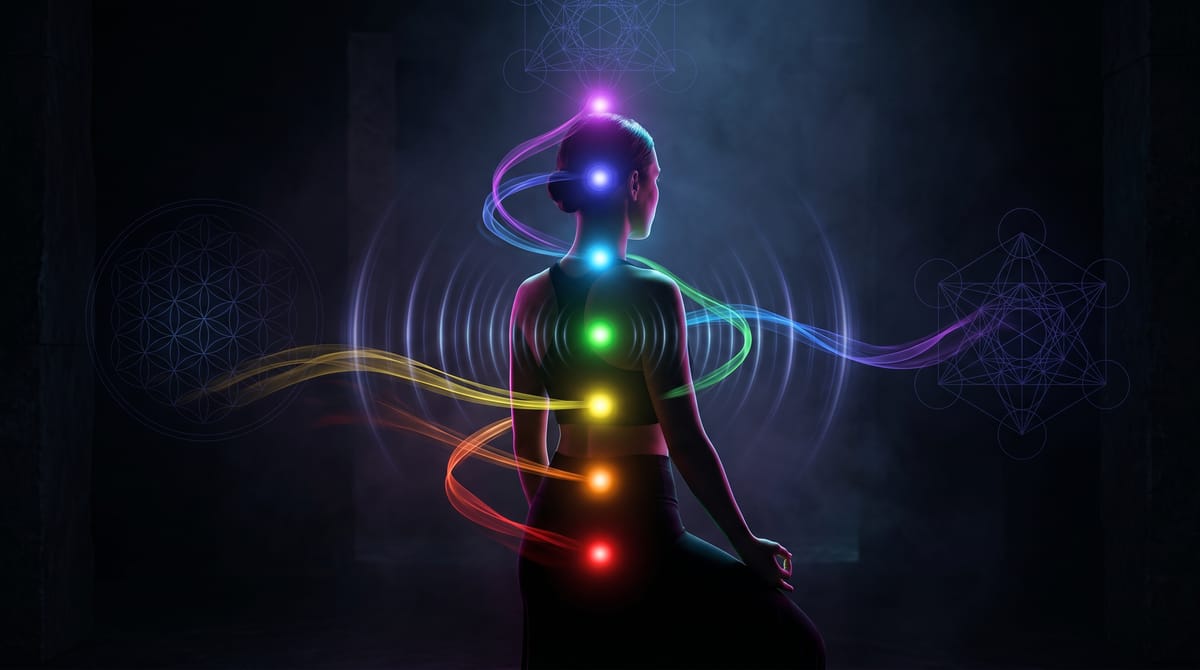
Chakra work is a reflective spiritual practice that maps attention, breath, sound, color, and voice to the body’s energy centers. People use it to notice stress patterns, deepen self-awareness, and build a simple daily routine for balance, emotional regulation, and personal growth.
Key Takeaways
- Chakra practice is a symbolic framework for self-observation, not a medical diagnosis.
- Sound, chanting, and voice are common tools because they give people a repeatable way to focus attention.
- According to McKinsey, 84% of U.S. consumers say wellness is a top or important priority, which helps explain the popularity of guided self-care systems.
- Chakra-Key teaches nine chakras in six modules, which makes a broad spiritual topic easier for beginners to follow.
- The course is most useful when you want structure, practical exercises, and a gentle path into spiritual growth.
Table of Contents
- Understanding Chakra Work and Energy Centers
- Core Chakra Practices and Techniques
- Who Benefits from Learning Chakra Work?
- What Do Students Say?
- Is This Course Worth It?
- About the Creator
- Essential Chakra Practices and Techniques
- Watch Before You Enroll
- Frequently Asked Questions
- Conclusion
- Explore More on TGD
Understanding Chakra Work and Energy Centers
Chakra work is a symbolic system for noticing how attention, emotion, and embodiment interact. In many traditions, chakras are described as energy centers that help people organize inner experience. The value is practical: the framework gives learners a vocabulary for stress, confidence, expression, and grounding.
According to McKinsey, wellness is a top priority for 84% of U.S. consumers, and the Global Wellness Institute says the wellness economy reached $6.8 trillion in 2024. Those numbers help explain why guided self-care systems keep attracting attention.
According to Grand View Research, meditation-management apps continue to expand rapidly, which shows that many people want accessible routines they can repeat at home. Chakra-based practice fits that pattern because it turns broad ideas like balance and awareness into a structured method built around breath, sound, color, and reflection.
Many people approach chakra work through journaling, breath, mantra, or short listening exercises. The point is not to force belief; it is to create a repeatable method for noticing what changes your state.
Want to Learn Chakra Work Step by Step?
This course on The Great Discovery covers these fundamentals in a structured six-module format, so you can move from understanding the idea to practicing it.
The Great Discovery (TGD) is a global online course marketplace where creators publish courses and learners discover practical training across business, technology, wellness, and personal growth.
Core Chakra Practices and Techniques
Chakra practice becomes useful when the ideas are tied to repeatable actions. The most helpful techniques are the ones that turn a spiritual concept into something you can actually do each day.
Energy Center Mapping
Energy center mapping gives people a simple way to organize experience. Instead of trying to solve everything at once, they can notice which themes feel blocked, active, or out of balance.
In ChakraKey, that idea is expanded to nine chakras, which gives learners a more detailed map than the familiar seven-chakra model. A larger map can help people notice subtler differences in how they feel and respond.
Sound, Frequency, and Toning
Sound practices use rhythm, tone, chanting, or music to focus attention. They are popular because they are easy to repeat and easy to feel.
ChakraKey emphasizes sound, frequency, and even the learner’s own voice. That matters because voice-based work can make the practice more embodied than silent reading alone.
Color as a Memory and Emotion Cue
Color gives chakra work a fast visual anchor. People often use it to remember themes, set intentions, or create a ritual that feels more concrete.
The course description’s color-coded framework fits a common learning pattern: abstract ideas become easier to remember when they are paired with distinct visual cues.
Journaling and Reflection
Journaling helps turn a spiritual practice into a feedback loop. If you write down what you felt before and after a session, patterns become easier to spot.
This is useful for anyone who wants more than a momentary mood shift. It supports self-awareness over time.
Routine and Repetition
Chakra work works best when it is repeated in small doses. Short sessions are often easier to sustain than ambitious, one-off efforts.
That is one reason guided courses can help. They give structure, pacing, and a place to return when motivation drops.
Who Benefits from Learning Chakra Work?
Chakra work is best for people who want a structured spiritual practice they can use consistently. The course sits in the Basic skill level and spans Mental/Emotional Health, Self Improvement, and Spiritual Growth, which makes it a natural entry point for the right learner.
Beginners and Curious Self-Learners
If you are new to chakras, you need a framework that is simple enough to follow without feeling watered down. A six-module course that introduces nine chakras through sound and voice is a reasonable starting point.
That kind of structure is especially helpful when you want a guided path instead of piecing together random videos and articles.
People Looking for Emotional Balance
Readers who want help with stress, fear, or emotional overload often want something more tangible than a vague philosophy. Chakra-based routines can give them a daily ritual for noticing feelings and responding with more intention.
Grand View Research estimates the meditation-management apps market at $2.20 billion in 2025, which shows how strong demand is for self-guided wellness tools. ChakraKey fits that demand because it packages reflection into a repeatable practice.
Wellness Coaches and Facilitators
Coaches, facilitators, and body-mind practitioners may use chakra language as a reflection tool with clients or students. The course can help them think about sound, frequency, and color as practical teaching cues.
For this group, the TGD course is useful as a starting reference rather than a final authority.
Spiritual Explorers Who Prefer Structure
Some readers are already interested in spiritual growth but need a clear method. They want a system that moves from concept to experience without becoming overly academic.
For them, ChakraKey is a logical recommendation because it offers a beginner-friendly, modular approach to a broad spiritual topic.
What Do Students Say?
This course is new to the marketplace and hasn't collected reviews yet. Check back after launch for student feedback.
Is This Course Worth It?
Yes, if you want a gentle introduction to chakra work that combines theory with guided practice.
It is best for beginners, reflective learners, and people who want a structured spiritual self-care routine. The six-module format and sound-and-voice emphasis make it approachable.
It is not for readers who want clinical mental health treatment or a heavily academic, skepticism-first explanation of chakras. It also may feel too introductory for someone already fluent in energy-work language.
As a next step on TGD, it makes sense when you already know the topic interests you and you want a guided way to turn curiosity into practice.
About the Creator
Richard Ireton is the creator behind ChakraKey. His public bio says, “Unlock Your Spiritual Superpowers!”
- Courses created: 2
- Total learners: 4
- Average rating: 0.0
Explore the creator page here: Richard Ireton on The Great Discovery.
Essential Chakra Practices and Techniques
This topic becomes easier to understand when you see the practice types side by side. The table below is a quick reference for common chakra-related methods and what they are meant to support.
| Practice | What It Focuses On | Why It Matters |
|---|---|---|
| Breath pacing | Slowing the breath to settle attention | Makes self-observation easier before or after a practice |
| Toning or chanting | Using vocal sound to create rhythm and focus | Helps people engage the body instead of only the mind |
| Color association | Linking a chakra theme to a visual cue | Improves recall and makes ritual steps easier to remember |
| Journaling | Recording what changed during practice | Turns subjective experience into a pattern you can track |
| Grounding movement | Simple motion before or after reflection | Supports body awareness and helps close a session cleanly |
| Frequency listening | Using repeated sound patterns as a ritual anchor | Creates consistency for learners who benefit from structure |
ChakraKey uses a similar layered approach, combining sound, frequency, voice, and a color-coded framework to make the practice experiential. That is especially helpful for beginners who learn best through repetition and guided cues.
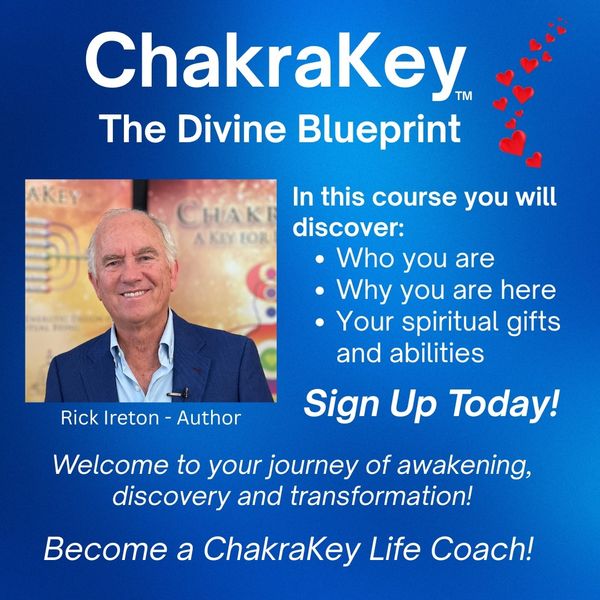
Master Chakra Work with Expert Guidance
Richard Ireton’s course covers these concepts in a structured way, so you can move from theory to a direct, guided practice at your own pace.
Enroll in Chakra-Key – Life Mastery & Spiritual Growth Course →
Watch Before You Enroll
Learn how to become an affiliate on The Great Discovery — the best affiliate program for course creators and marketers in 2026. Start earning commissions by sharing courses you believe in.
Frequently Asked Questions
What are chakras?
Chakras are part of spiritual traditions that describe energy centers in the human body. Different schools count them differently, so it is best to treat the system as a symbolic framework for reflection rather than a medical diagnosis.
How do sound and voice help chakra practice?
Sound practices use chanting, toning, or rhythmic listening to focus attention. They can make a practice feel more embodied and easier to repeat, which is why they remain common in many wellness routines.
Is chakra work scientific?
Chakra work is a spiritual model, not a standard clinical framework. Its value comes from structure, self-observation, and routine, not from laboratory-style proof.
Can color matter in chakra practice?
Yes. Color is often used as a memory cue and an intention cue, which makes a practice easier to organize and recall. In chakra systems, color can also help people separate different themes or emotional states.
Is Chakra-Key good for beginners?
Yes. The course is marked Basic, and its six-module structure makes it approachable for first-time learners. Its focus on sound, frequency, and voice gives beginners a concrete way to experience the topic.
Why do wellness and meditation tools keep growing?
According to McKinsey, 84% of U.S. consumers say wellness is a top or important priority, and the Global Wellness Institute says the wellness economy reached $6.8 trillion in 2024. According to Grand View Research, meditation-management apps also keep expanding, which shows clear demand for guided self-care tools.
Ready to Go Deeper?
You have learned the basics of chakra work, the role of sound and frequency, and how structured practice can make the topic more usable. If you want a guided next step, this course turns that framework into a practical learning path.
Start Learning Chakra Work on TGD →
Conclusion
Chakra work is best understood as a practical spiritual framework for attention, self-reflection, and emotional balance. It matters because wellness demand is large and still expanding, with McKinsey reporting that wellness is a top priority for 84% of U.S. consumers and the Global Wellness Institute placing the global wellness economy at $6.8 trillion in 2024. If you want a structured, beginner-friendly way to explore nine chakras through sound, frequency, and voice, Chakra-Key is a sensible next step on TGD. Explore the Course →
Explore More on TGD
If you want adjacent learning paths, start with the category hubs below and the creator profile.
- Spiritual Growth courses on TGD
- Self Improvement courses on TGD
- Mental/Emotional Health courses on TGD
- The Great Discovery homepage
- Richard Ireton creator page
Share Your Knowledge on The Great Discovery
Join Richard Ireton and hundreds of other creators sharing their expertise. Create and sell your own courses on TGD.