
Cycle Syncing for Business Mastery with Annie Harmon | TGD
Cycle syncing is a practical self-awareness method that helps people notice recurring shifts in energy, focus, mood, and recovery across the menstrual cycle, then use those patterns to plan work more sustainably.

Cycle Syncing for Business Mastery with Annie Harmon on The Great Discovery
Cycle syncing is a practical self-awareness method that helps people notice recurring shifts in energy, focus, mood, and recovery across the menstrual cycle, then use those patterns to plan work more sustainably.
Key Takeaways
- Cycle syncing starts with tracking symptoms, cycle length, mood, appetite, cramps, and energy so you can spot repeatable patterns.
- According to BMC Women's Health, nearly 60 million females of reproductive age work in the United States, and productivity often feels lower in pre-bleed and bleed phases.
- Menstrual pain can affect real work outcomes, including absenteeism, presenteeism, and day-to-day activity, according to BMC Women's Health and PLOS One.
- The course turns cycle awareness into a 4-week business rhythm that covers planning, creating, connecting, selling, resting, and leading.
- The course is Basic level, so it works well for beginners who want a guided starting point instead of a theory-only overview.
Table of Contents
- Understanding Feminine Cycle Syncing
- Key Concepts and Techniques
- Who Benefits from Learning Feminine Cycle Syncing?
- What Do Students Say?
- Is This Course Worth It?
- About the Creator
- Cycle Syncing by Phase
- Watch Before You Enroll
- Frequently Asked Questions
- Conclusion
- Explore More on TGD
Understanding Feminine Cycle Syncing
Cycle syncing matters because many people experience predictable changes in energy and comfort across the month. According to BMC Women's Health, nearly 60 million females of reproductive age work in the United States, and perceived productivity was more negative during the pre-bleed and bleed phases than during the late follicular and early luteal phases. The same paper reports that up to 91% of women studied worldwide experienced menstrual pain and 29% reported severe pain.
That does not mean every cycle follows the same script. It means a simple tracking habit can reveal patterns worth respecting, especially when symptoms affect concentration, communication, or stamina. According to Medical News Today, a practical first step is to track symptoms, cycle length, mood, appetite, cramps, and energy changes.
Used well, cycle syncing is less about chasing perfect hormones and more about making day-to-day decisions with better self-knowledge. It helps people move from self-blame to observation, which is a better foundation for sustainable work design.
Want to Learn Feminine Cycle Syncing for Business Mastery Step by Step?
This course on The Great Discovery turns the basics of cycle awareness into a structured business rhythm you can apply week by week.
The Great Discovery (TGD) is a global online course marketplace where creators publish courses and learners discover practical training across business, technology, wellness, and personal growth.
Key Concepts and Techniques
The most useful cycle-syncing tools are simple: track, test, and adjust. The goal is not to force a perfect routine. It is to build a working pattern that fits your real energy and your real responsibilities.
1. Cycle and symptom tracking
Start by recording the basics: cycle length, day of bleeding, pain level, mood, sleep, appetite, and focus. Over two or three cycles, patterns become easier to see. That data tells you whether your hardest days are tied to symptoms, workload, or both.
2. Phase-based task matching
Many people find it useful to group tasks by type. Planning, strategy, and deep thinking often fit better on clearer-energy days. Admin, rest, and lower-stakes work can be reserved for lower-energy days so the month is not treated like a flat sprint.
3. Communication and selling windows
The course language points to planning, creating, connecting, selling, resting, and leading as separate modes. In practice, that means you can schedule outreach, presentations, or collaborations when you feel more socially confident, then protect quiet time when you need it.
4. Recovery as part of performance
Severe pain is not a mindset problem. The BMC Women's Health research and the large Japanese study cited by PLOS One both show that menstrual symptoms can create real absenteeism, presenteeism, and activity loss. Recovery planning is therefore a work strategy, not an indulgence.
5. Flexible rhythm, not rigid rules
Cycle syncing works best when it is treated as a living model. If your cycle is irregular, peri-menopausal, or affected by health conditions, the lesson is still the same: observe what happens, then adjust your calendar around your own signals rather than generic advice.
Who Benefits from Learning Feminine Cycle Syncing?
This topic is most useful for people whose energy or symptoms change enough to affect planning, communication, or output. It is especially valuable when your work expects consistency, but your body does not always operate on a flat line.
Entrepreneurs and solopreneurs
If you run your own business, your calendar is your operating system. Cycle syncing can help you batch creative work, client work, and sales activities in ways that match your actual energy. For a beginner-friendly entry point, Annie Harmon's Basic-level TGD course is a logical starting place.
Professionals managing monthly symptom swings
According to BMC Women's Health, women often report worse productivity during pre-bleed and bleed phases than during late follicular and early luteal phases. If that sounds familiar, the topic matters because it gives you a language for planning around those dips instead of blaming yourself for them.
Creators, coaches, and service providers
People whose work depends on presence, empathy, and communication can use cycle syncing to protect their best client-facing hours. The course categories, including Self Improvement, TGD Success, and Mindset, suggest a practical focus on performance habits rather than abstract theory.
Peri-menopausal readers and people with changing cycles
If your monthly pattern is changing, the goal is to notice what still repeats and what needs a different response. The Menopausal category signals that the course sits inside a wider wellness conversation, but the most useful takeaway is still practical self-observation.
What Do Students Say?
This course is new to the marketplace and hasn't collected reviews yet. Check back after launch for student feedback.
Is This Course Worth It?
Yes, if you want a structured introduction to cycle-aware business planning.
It is best for beginners who want a simple framework, especially people who already notice monthly changes in focus, energy, or comfort. The 4-week structure and three 1:1 coaching sessions make it feel guided rather than self-directed.
It is not for readers looking for clinical treatment, a hormone protocol, or a scientific guarantee that syncing will fix every symptom. The stronger use case is practical self-management, not medical replacement or a one-size-fits-all productivity hack.
The course is a strong next step on TGD when you want a body-aware business routine and you value creator-led guidance. The current marketplace signal is limited, so the course stands out more for its structure and topic fit than for social proof.
About the Creator
Annie Harmon is listed as a Business Performance Strategist & CEO.
Courses created: 4
Total learners: 1
Average rating: 0.0
That means there is some creator activity, but limited public scale signals. If you are choosing a beginner topic, the main appeal here is the course design and subject matter rather than a large review footprint.
Visit Annie Harmon's creator page on TGD
Cycle Syncing by Phase
Cycle syncing becomes easier when you can map common phases to common kinds of work. The table below is a practical reference, not a rigid rulebook. Use it to notice patterns and test what fits your own body.
| Cycle Phase | Common Pattern | Useful Business Focus |
|---|---|---|
| Menstrual / bleed | Many people report lower energy and more inward focus | Review, rest, simplify, and make only necessary decisions |
| Early follicular | Energy often starts to return gradually | Plan, outline projects, and restart unfinished work |
| Late follicular | Clearer energy and stronger momentum are common | Create, collaborate, pitch, and complete demanding tasks |
| Ovulation window | Social confidence and communication may feel easier | Meet clients, network, record content, and lead visible work |
| Luteal phase | Focus may stay strong early, then taper for some people | Finish details, edit, and prepare for a lower-energy stretch |
The most useful lesson is not that every person feels the same thing. It is that a few weeks of observation can make your calendar more realistic. That is exactly where structured coaching can help if you want to turn observation into a repeatable business system.
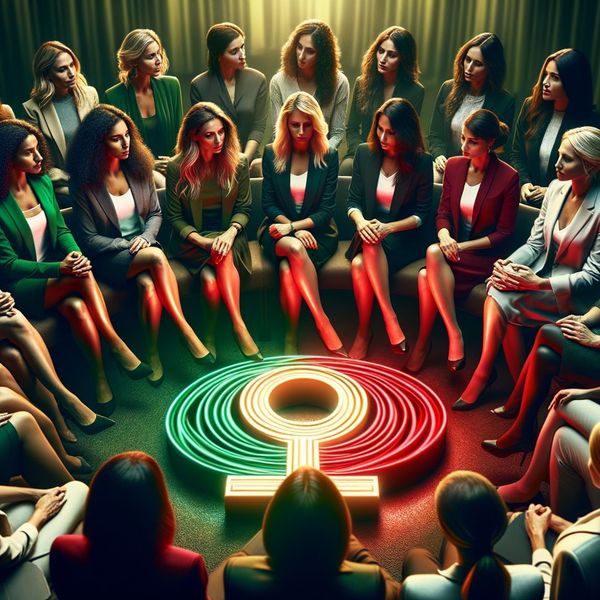
Master Feminine Cycle Syncing for Business Mastery with Expert Guidance
Annie Harmon's course covers the planning, creating, connecting, selling, resting, and leading rhythms introduced above, with support that helps turn ideas into practice.
Watch Before You Enroll
Learn how to become an affiliate on The Great Discovery — the best affiliate program for course creators and marketers in 2026. Start earning commissions by sharing courses you believe in.
Frequently Asked Questions
What is cycle syncing?
Cycle syncing is the practice of adjusting diet, exercise, and lifestyle habits to match menstrual-cycle phases. According to Medical News Today, a practical starting point is tracking symptoms, cycle length, mood, appetite, cramps, and energy changes.
Can cycle syncing help with productivity?
It can help by making your schedule more realistic. According to BMC Women's Health, perceived work productivity was more negative during the pre-bleed and bleed phases than during the late follicular and early luteal phases, which suggests that timing and task choice matter.
How do I start cycle syncing at work?
Begin with a simple log for energy, mood, and pain, then match your hardest work to your clearest days. Track for at least two cycles before changing your calendar, because one month can be misleading.
Does menstrual pain affect job performance?
Yes. The 2025 BMC Women's Health paper reports that up to 91% of women studied worldwide experienced menstrual pain and 29% reported severe pain. A 2025 PLOS One study also found that severe dysmenorrhea reduced absenteeism, presenteeism, overall work impairment, and activity impairment.
Is cycle syncing a medical treatment?
No. It is a self-awareness and symptom-management framework, not a proven hormone-fixing formula. If symptoms are severe, persistent, or disruptive, medical evaluation matters alongside any productivity strategy.
Is the TGD course beginner-friendly?
Yes. The course is listed as Basic level and uses a 4-week format with three 1:1 coaching sessions, so it is designed to be approachable for learners who want structure and guidance. Its format makes it easier to apply the ideas without building your own system from scratch.
Ready to Go Deeper?
You have learned the basics of cycle syncing, the work patterns it can shape, and the limits of treating it as a simple fix. This course takes you from awareness to a practical business rhythm.
Start Learning Feminine Cycle Syncing for Business Mastery on TGD →
Conclusion
Cycle syncing is most useful when you treat it as a planning tool, not a promise. The research suggests that many people experience real monthly shifts in pain, focus, and work capacity, which makes a body-aware calendar worth exploring. The most durable benefit is that it replaces guilt with observation, so you can protect recovery and use your best days well.
If you want to go further, Annie Harmon's TGD course offers a structured way to turn those ideas into a repeatable business rhythm. Explore the course here: Feminine Cycle Syncing for Business Mastery on The Great Discovery.
Explore More on TGD
Use these links to keep learning around the same themes.
- Self Improvement courses on TGD
- TGD Success courses on TGD
- Mindset courses on TGD
- Menopausal courses on TGD
- The Great Discovery homepage
- Annie Harmon creator page
Share Your Knowledge on The Great Discovery
Join Annie Harmon and hundreds of other creators sharing their expertise. Create and sell your own courses on TGD.