The Hand Model of the Brain: Understand How You Handle Stress
The hand model of the brain is a neuroscience teaching tool that uses the hand as a visual metaphor for brain structures. It explains how stress activates primitive brain regions and disengages higher-level thinking, helping people understand their stress responses and develop strategies to stay ...
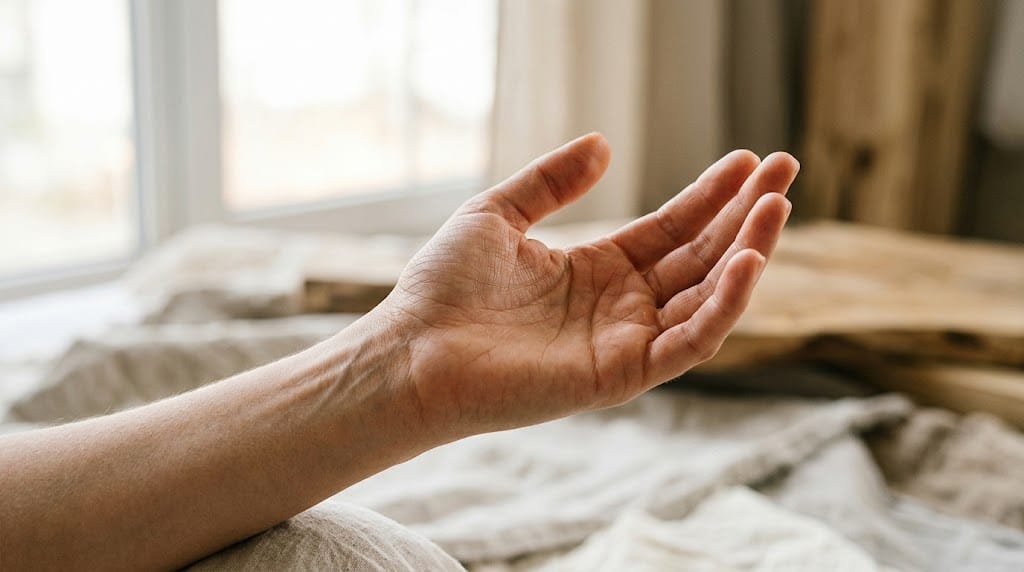
The hand model of the brain is a neuroscience teaching tool that uses the hand as a visual metaphor for brain structures. It explains how stress activates primitive brain regions and disengages higher-level thinking, helping people understand their stress responses and develop strategies to stay calm and regulated.
Key Takeaways
- The hand model maps four brain regions (brainstem, limbic system, prefrontal cortex, corpus callosum) to different parts of your hand—a memorable way to understand brain anatomy and function
- When stress hits, you "flip your lid," meaning your prefrontal cortex (logical thinking) goes offline and your amygdala (fear center) takes over
- Understanding this model helps you recognize when you're in a stressed state and take concrete steps to re-engage your thinking brain
- This free course by Dr. Adwoa Akhu teaches the hand model with practical applications for managing stress in daily life
- The hand model is grounded in neuroscience and widely used by therapists, educators, parents, and leaders to build emotional resilience
Table of Contents
- Understanding the Hand Model of the Brain
- Key Concepts and Techniques
- Who Benefits from Learning About the Hand Model?
- What Do Students Say?
- About the Creator
- How the Hand Model Maps to Brain Regions
- Watch Before You Enroll
- Frequently Asked Questions
- Conclusion
- Explore More on TGD
Understanding the Hand Model of the Brain
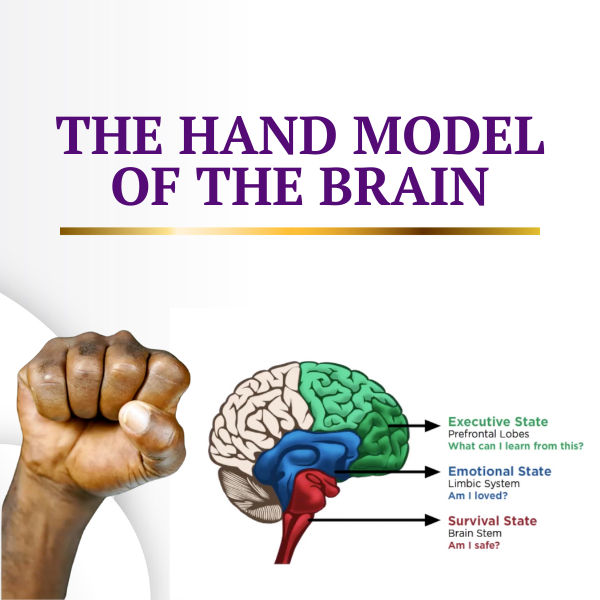
The hand model of the brain is a powerful teaching tool developed by neuroscientists to explain how our brains respond to stress. Your hand contains four main regions that mirror four brain structures: your wrist and palm represent the brainstem (your primitive survival center), your thumb and fingers represent the limbic system (your emotional brain), and your inner palm represents where higher thinking happens. When you're calm and regulated, all these regions work together seamlessly—your logical prefrontal cortex can think clearly and manage your emotions.
But when stress strikes, something dramatic happens. Your amygdala (the brain's alarm system) activates, flooding your body with stress hormones. In this state, you "flip your lid"—your prefrontal cortex essentially goes offline, and you lose access to rational thinking, creativity, and empathy. Instead, you're running on survival mode: fight, flight, or freeze. This isn't a personal failing—it's how your brain is wired to protect you from danger.
The brilliance of the hand model is that it gives you a physical, portable way to understand and teach this process. You can literally use your hand as a brain map. When you recognize that you've "flipped your lid," you can use techniques to re-engage your thinking brain and return to regulation. This understanding is the foundation for building emotional resilience and managing stress more effectively.
Want to Learn the Hand Model Step by Step?
This free course on The Great Discovery covers all of these fundamentals and more, with practical strategies you can use today.
Key Concepts and Techniques
The Brainstem (Reptilian Brain)
Your wrist represents the brainstem—the oldest part of your brain evolutionarily. It controls basic survival functions: breathing, heart rate, and the fight-flight-freeze response. When activated by stress, the brainstem takes over your decision-making, leading to reactive rather than thoughtful behavior.
The Limbic System (Emotional Brain)
Your thumb and fingers represent the limbic system, which generates emotions, memories, and bonding. This region processes fear, anger, sadness, and joy. During stress, your amygdala (part of the limbic system) becomes hyperactive, scanning for danger and triggering the stress response even when you're objectively safe.
The Prefrontal Cortex (Thinking Brain)
The inner palm of your hand represents the prefrontal cortex—the most evolved part of your brain responsible for logic, planning, creativity, and empathy. This is where you solve problems, regulate emotions, and make wise decisions. Stress literally shuts this region down, which is why you can't think straight when anxious.
Integration and Regulation
The true power of the hand model is understanding integration—the ability to keep all brain regions connected and working together. By recognizing when you've flipped your lid and using calming techniques (breathing, grounding, movement), you can re-engage your prefrontal cortex and restore your capacity to think and respond wisely.
Mindful Awareness as a Skill
Using the hand model to observe your own stress response is a form of mindfulness. By developing awareness of when you're in survival mode versus thinking mode, you build the capacity to choose your response rather than react automatically—a core skill in stress management and emotional health.
Who Benefits from Learning About the Hand Model?
Parents and Educators
If you work with children or teenagers, the hand model provides a language for teaching young people about their brains and emotions. Instead of saying "stop being emotional," you can help them understand that their brain is working to protect them. The TGD course translates this into practical parenting and teaching tools.
Therapists and Mental Health Professionals
The hand model has become a staple in therapeutic practice because it's grounded in neuroscience and immediately applicable. Whether you're treating anxiety, trauma, or stress, understanding how your client's brain is responding helps you guide them toward healing. Dr. Adwoa Akhu's course offers a structured introduction to this framework.
Anyone Managing Anxiety or Stress
If you struggle with panic, stress, or feeling overwhelmed, understanding why your brain goes into survival mode is the first step toward managing it. The hand model demystifies your stress response and shows you that you're not broken—you're just temporarily disconnected from your thinking brain. Learning to recognize and recover from this state is transformative.
Leaders and Team Managers
In workplaces, stress and amygdala hijacking show up as conflict, poor decisions, and disconnected teams. Leaders who understand the hand model can recognize when their team (or they themselves) has flipped their lid and create conditions for calm, integrated thinking. This leads to better collaboration and decision-making.
What Do Students Say?
This course is new to The Great Discovery and is collecting its first learner reviews. Check back after launch to see what students say about their experience with Dr. Adwoa Akhu's hand model teaching.
About the Creator
Dr. Adwoa Akhu is a licensed psychologist with nearly 30 years of clinical experience. She has created 5 courses on The Great Discovery covering topics in mental health, mindset, and personal growth. With 3 learners already using her courses, Dr. Akhu brings evidence-based wisdom to accessible formats.
As she notes in her course description: "Everything offered through The Great Discovery is meant to support your personal growth and self-discovery. While I bring the wisdom of nearly 30 years as a licensed psychologist, these offerings are not clinical services and are not a substitute for therapy or medical care. If you're struggling with your mental health or facing a crisis, please reach out to a licensed mental health professional in your area."
Learn more about Dr. Adwoa Akhu and her other courses on The Great Discovery.
How the Hand Model Maps to Brain Regions and Functions
Understanding the hand model starts with knowing how each part of your hand represents a specific brain structure and its function. This table shows you the complete mapping:
| Brain Region | Hand Representation | Primary Function | Stress Response |
|---|---|---|---|
| Brainstem | Wrist and base of palm | Survival, breathing, heart rate | Fight-flight-freeze activation |
| Limbic System (including amygdala) | Thumb | Emotion, memory, bonding, threat detection | Fear amplification, emotional flooding |
| Prefrontal Cortex | Inner palm | Logic, planning, creativity, empathy | Goes offline ("flipped lid") |
| Corpus Callosum | Connection between regions | Integration between left and right hemispheres | Disconnection, loss of coherent thinking |
| Parasympathetic Nervous System | Resting state, whole hand | Calm, recovery, social connection | Restoration when activated |
This table shows how every part of your hand corresponds to a specific brain function. When you understand which region has "taken over," you know exactly which regulation strategy to use.
Master the Hand Model with Expert Guidance
Dr. Adwoa Akhu's course covers all of these concepts and more, with structured lessons you can complete at your own pace. Gain practical strategies for managing stress and helping others do the same.
Enroll in The Hand Model of the Brain →
Watch Before You Enroll
Watch this short video overview to understand the main ideas behind The Hand Model of the Brain: How the Brain Handles Stress before you enroll.
This video introduces The Hand Model of the Brain: How the Brain Handles Stress and previews how the hand can be used as a model to better understand the brain and how it responds to stress.
Frequently Asked Questions
What is the hand model of the brain?
The hand model is a neuroscience teaching tool where your hand represents different brain structures. The brainstem is your wrist, the limbic system is your thumb and fingers, and your prefrontal cortex is your palm. It helps explain how stress affects your thinking and behavior.
Is the hand model based on real neuroscience?
Yes. The hand model was developed by Dr. Daniel Siegel, a clinical professor of psychiatry at UCLA. It's grounded in decades of neuroscience research about how the brain responds to stress and how integration between brain regions supports emotional health.
How can the hand model help me manage stress?
By understanding the hand model, you learn to recognize when you've "flipped your lid" (lost access to logical thinking). Once you recognize this state, you can use techniques like deep breathing, grounding, or movement to re-engage your prefrontal cortex and return to calm, integrated thinking.
Who developed this teaching approach?
Dr. Daniel Siegel, a pioneering neuroscientist and psychiatrist, developed the hand model. In this course, Dr. Adwoa Akhu, a licensed psychologist, teaches the model with practical applications for personal growth and mental health.
Can I use the hand model to teach my children about emotions?
Absolutely. The hand model is used by parents, educators, and therapists worldwide to help children understand their brains and emotions. It gives kids a simple, memorable language for discussing stress, anger, and feelings—making it easier for them to develop emotional awareness and regulation.
Is this course a substitute for therapy?
No. While this course provides valuable education about your brain and stress response, it's not therapy and isn't a substitute for working with a licensed mental health professional if you're struggling with your mental health or facing a crisis.
Ready to Go Deeper?
You've learned the fundamentals of how your brain handles stress. This free course takes you from understanding to practical application, with tools you can use today to manage stress and help others do the same.
Start Learning the Hand Model on TGD →
Conclusion
The hand model of the brain is a simple yet profound tool for understanding how stress affects your thinking, emotions, and behavior. By learning this model, you gain a visual framework for recognizing when your brain is in survival mode and concrete strategies for returning to calm, integrated thinking. Whether you're managing your own stress, supporting others, or teaching young people about their brains, this framework becomes an invaluable reference point. Dr. Adwoa Akhu's free course on The Great Discovery walks you through the hand model step by step, showing you how to apply it in your daily life. Start the course today and take the first step toward greater emotional awareness and resilience.
Explore More on TGD
- Mental & Emotional Health Courses
- Mindset Courses
- TGD Success Courses
- All Courses on The Great Discovery
- The Great Discovery Home
- Dr. Adwoa Akhu's Profile
Share Your Knowledge on The Great Discovery
Join Dr. Adwoa Akhu and hundreds of other creators sharing their expertise. Create and sell your own courses on TGD.