
How to Analyze Poetry: Literary Devices & Techniques | The Great Discovery
Poetry analysis is the process of examining a poem's literary devices, structure, and meaning to understand how the author conveys emotion and theme. It involves identifying techniques like tone, imagery, personification, and meter to unlock deeper interpretations of the work.
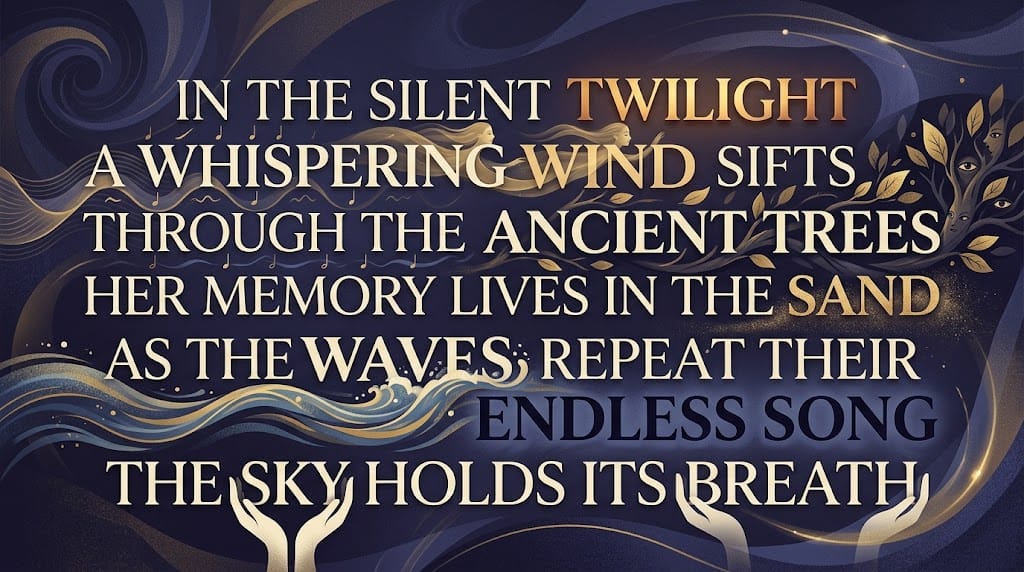
Poetry analysis is the process of examining a poem's literary devices, structure, and meaning to understand how the author conveys emotion and theme. It involves identifying techniques like tone, imagery, personification, and meter to unlock deeper interpretations of the work.
Key Takeaways
- Poetry analysis reveals how writers use literary devices to create meaning and emotion in their work.
- Key techniques include identifying tone, personification, imagery, meter, and structural patterns.
- Learning to analyze poetry improves your ability to interpret literature across all genres and time periods.
- This free course on The Great Discovery provides structured lessons in poetry analysis fundamentals for beginners.
- Understanding poetry devices helps you appreciate both classic and contemporary poems on a deeper level.
Table of Contents
- Understanding Poetry Analysis
- Key Concepts and Techniques
- Who Benefits from Learning Poetry Analysis?
- What Do Students Say?
- About the Creator
- Essential Poetry Devices and Their Effects
- Watch Before You Enroll
- Frequently Asked Questions
- Conclusion
- Explore More on TGD
Understanding Poetry Analysis
Poetry analysis is the careful examination of how poets use language, structure, and devices to create meaning and evoke emotion in their readers. Unlike simply reading a poem for enjoyment, analysis involves breaking down the components—the words chosen, the sounds created, the images painted—to understand why the poet made those choices and what effects they produce.
When you analyze poetry, you're answering questions like: What is the speaker's tone? What images does the poem create in your mind? How does the rhythm of the lines affect your reading? What deeper meaning lies beneath the surface words? These questions transform poetry from something mysterious into something comprehensible and deeply rewarding.
Poetry analysis matters because it teaches you to read more carefully, think more critically, and appreciate the craft behind the words. These skills extend beyond poetry to all forms of communication—advertising, social media, speeches, even conversations. By learning how poets use language strategically, you become a more thoughtful reader and communicator yourself.
Want to Learn Poetry Analysis Step by Step?
This free course on The Great Discovery covers all of these fundamentals and more, with structured lessons designed for beginners exploring literary devices.
Key Concepts and Techniques
Tone and Voice
Tone is the emotional attitude the speaker conveys toward the subject. Is the tone angry, playful, sorrowful, or contemplative? Voice refers to the distinct personality of the speaker or narrator. To identify tone, ask yourself: How would you read this poem aloud? What emotions do the word choices suggest?
Imagery and Sensory Language
Imagery is the use of words that appeal to the five senses—sight, sound, smell, taste, and touch. Poets use imagery to create vivid mental pictures and emotional responses. For example, "the soft hiss of rain" uses auditory and tactile imagery to bring you into the moment. Strong imagery makes abstract concepts concrete and memorable.
Personification and Metaphor
Personification gives human qualities to non-human things—"the wind whispers" or "the angry sea." Metaphor compares two unlike things directly without using "like" or "as"—"life is a journey." Both techniques help poets express complex ideas by connecting them to familiar human experiences.
Meter and Rhythm
Meter is the regular pattern of stressed and unstressed syllables in a line of poetry. Rhythm is how the poem sounds when read aloud—the beat, the flow, the pace. These technical elements affect how quickly or slowly you move through the poem and what emotions they reinforce. A fast rhythm might convey excitement; a slow rhythm might suggest grief or contemplation.
Structure and Form
The way a poem is organized—its stanzas, line breaks, and overall shape on the page—contributes to its meaning. A poem with short, sharp lines feels different from one with long, flowing lines. Specific forms like sonnets or haikus have traditional structures that poets use or intentionally break for effect.
Who Benefits from Learning Poetry Analysis?
Students and Academics
If you're studying literature, English, or the humanities, poetry analysis is essential. Literature classes often require close reading and interpretation of poems. Learning these analytical skills helps you write stronger essays, participate in classroom discussions, and understand the texts your teachers assign. This course provides a solid foundation for academic success.
Writers and Poets
Whether you write poetry yourself or want to develop your craft, analyzing how other poets work is invaluable. By studying tone, imagery, and structure in published poems, you learn techniques you can apply to your own writing. Understanding why a poem works helps you make intentional choices in your own creative work.
Literature Enthusiasts
If you love reading poetry but sometimes feel confused about meaning or significance, analysis transforms your experience. You move from passive reading to active engagement. Suddenly a poem that seemed confusing becomes layered with meaning. This deeper appreciation makes reading poetry more enjoyable and rewarding.
Educators and Teachers
Teachers who want to help their students engage with poetry benefit from understanding analysis frameworks. This course equips you with clear, teachable concepts that you can explain to students at different levels. You gain language and structure to make poetry more accessible to learners who find it intimidating.
What Do Students Say?
This course is new to the marketplace and hasn't collected reviews yet. Check back after launch for student feedback from learners exploring poetry analysis with Carol Jennifer Soars.
About the Creator
Carol Jennifer Soars is an educator and writer with deep expertise in literary analysis. She has created 7 courses on The Great Discovery, reaching hundreds of learners with an average rating of 5.0 stars. Her teaching approach focuses on making complex literary concepts accessible to learners at all levels.
Jennifer's background in both writing and education positions her uniquely to teach poetry analysis. She understands both the craft of poetry and the challenges students face when learning to read critically. Her courses reflect her commitment to clear instruction and practical application.
Learn more about Carol Jennifer Soars and explore her other courses at her creator profile on The Great Discovery.
Essential Poetry Devices and Their Effects
| Literary Device | Definition | Effect on Reader | Example |
|---|---|---|---|
| Personification | Giving human qualities to non-human things | Makes abstract ideas relatable and vivid | "The wind whispers secrets" or "the river dances" |
| Metaphor | Comparing two unlike things without "like" or "as" | Creates unexpected connections and deeper meaning | "Time is money" or "the world is a stage" |
| Alliteration | Repetition of initial consonant sounds | Creates musical quality and emphasizes words | "The soft sound of silver slippers sliding" |
| Imagery | Words that appeal to the five senses | Creates vivid mental pictures and emotional immersion | "The bitter cold bit at my nose" (taste + touch) |
| Tone | The emotional attitude of the speaker | Sets the mood and guides emotional interpretation | Angry tone, playful tone, melancholic tone |
| Symbolism | Objects or images representing abstract ideas | Adds layers of meaning beyond literal interpretation | A bird as freedom, a storm as turmoil |
These devices work together to create the overall impact of a poem. By learning to identify them, you develop the skill to understand not just what a poem says, but how and why it says it. This course systematically explores each of these concepts, giving you the tools to analyze any poem confidently.

Master Poetry Analysis with Expert Guidance
Carol Jennifer Soars' course covers all of these essential devices and more, with structured lessons you can complete at your own pace. Move from confusion to confidence in understanding poetry.
Enroll in Analysing Poetry by Jennifer Soars →
Watch Before You Enroll
Learn how to become an affiliate on The Great Discovery — the best affiliate program for course creators and marketers in 2026. Start earning commissions by sharing courses you believe in.
Frequently Asked Questions
What is poetry analysis exactly?
Poetry analysis is the process of breaking down a poem to understand how it works—examining literary devices, word choices, structure, and meaning. It's about asking questions like "Why did the poet use this word?" and "What effect does this image create?" rather than simply accepting the poem at face value.
Why should I learn to analyze poetry?
Poetry analysis develops critical reading skills that improve how you understand all forms of communication. It teaches you to recognize language patterns, emotional techniques, and persuasive strategies used everywhere from advertising to speeches. Plus, analyzing poetry deepens your appreciation and enjoyment of literature.
What are the most important poetry devices to know?
Start with tone, imagery, personification, and meter. These four devices appear in almost all poems and form the foundation of analysis. Once you master these, you can explore more complex devices like symbolism, allusion, and irony.
How do I identify tone in a poem?
Ask yourself: How would this poem sound if I read it aloud? What emotions do the word choices suggest? Is the language formal or casual? Angry or gentle? Look for emotional clues in the vocabulary and consider the speaker's attitude toward the subject.
What's the difference between a metaphor and personification?
A metaphor compares two unlike things directly ("time is money"). Personification gives human qualities to non-human things ("time crawls forward"). Both are comparison techniques, but personification specifically applies human characteristics, while metaphor makes any kind of comparison.
Can I take this course if I'm a complete beginner?
Yes. This course is designed for learners at the Basic skill level with no prior poetry analysis experience. It starts with fundamentals and builds systematically, making it perfect for anyone wanting to develop literary analysis skills from scratch.
Conclusion
Poetry analysis transforms how you read and understand literature. By learning to identify literary devices like tone, imagery, personification, and meter, you unlock the layers of meaning poets embed in their work. These analytical skills extend far beyond poetry—they improve your ability to understand persuasion, emotion, and intention in all forms of communication.
This free course on The Great Discovery, taught by Carol Jennifer Soars, provides exactly the structured foundation you need. Whether you're a student preparing for literature classes, a writer developing your craft, or simply someone who wants to appreciate poetry more deeply, this course takes you from confusion to confidence. You've learned what poetry analysis is and why it matters. The next step is to dive in and start discovering the craft behind the words.
Start Learning Poetry Analysis on TGD →
Explore More on The Great Discovery
- More Writing Courses on TGD
- Academic Learning Courses
- Publishing Courses
- More Courses by Carol Jennifer Soars
- Browse All Courses on The Great Discovery
Share Your Knowledge on The Great Discovery
Join Carol Jennifer Soars and hundreds of other creators sharing their expertise. Create and sell your own courses on TGD.