How to Start Homeschooling: A Beginner's Guide with Kendra Taylor
Homeschooling is an educational approach where parents provide academic instruction to their children at home instead of traditional schools. This method offers flexibility in curriculum selection, teaching pace, and learning style while maintaining educational rigor and accountability through re...

Homeschooling is an educational approach where parents provide academic instruction to their children at home instead of traditional schools. This method offers flexibility in curriculum selection, teaching pace, and learning style while maintaining educational rigor and accountability through recordkeeping and legal compliance.
Key Takeaways
- Homeschooling offers multiple teaching styles—from structured classical approaches to relaxed, child-led learning—so you can customize education to fit your family's values and pace.
- Most states require basic documentation like attendance records, curriculum choices, and progress assessments; you don't need a teaching degree or special certification to homeschool legally.
- A daily homeschool rhythm doesn't require 6-hour school days; many successful families complete core subjects in 2-3 focused hours, leaving time for enrichment and life skills.
- Homeschooling lets you personalize education to your child's learning speed, interests, and strengths in ways traditional classrooms cannot.
- This free course walks you through legal requirements, daily setup, curriculum choices, and how to build a support system—even if you've never considered homeschooling before.
Table of Contents
- Understanding Homeschooling
- Key Homeschooling Approaches and Styles
- Who Benefits from Homeschooling?
- What Do Students Say?
- About the Creator
- Common Homeschooling Styles Compared
- Watch Before You Enroll
- Frequently Asked Questions
- Conclusion
- Explore More on TGD
Understanding Homeschooling
Homeschooling is a legal educational choice where parents or guardians take primary responsibility for their children's academic instruction, typically within the home environment. It differs fundamentally from traditional school because you control the curriculum, teaching methods, pace, and daily schedule.
Many families choose homeschooling for different reasons: religious beliefs, desire for one-on-one instruction, better accommodation of learning differences, schedule flexibility, or dissatisfaction with local school options. The homeschooling landscape has grown significantly over the past two decades, with thousands of curriculum options, support organizations, and online resources available to families.
A common myth is that homeschooling requires formal teacher training. In reality, you're facilitating learning, not lecturing like a classroom teacher. You guide your child through materials, ask questions, encourage exploration, and provide feedback—skills most parents already possess. Another misconception is that homeschoolers are isolated; many families actively participate in co-ops, sports leagues, clubs, and community activities that provide social engagement and peer interaction.
Want to Learn Homeschooling Step by Step?
This free course on The Great Discovery covers all the fundamentals you need to confidently start your homeschooling journey, from legal basics to daily routines.
Key Homeschooling Approaches and Styles
Classical Homeschooling
The classical approach follows the trivium model: grammar stage (memorization), logic stage (critical thinking), and rhetoric stage (expression and persuasion). This structured method emphasizes classical literature, great books, and rigorous academics with a focus on developing articulate, reasoning individuals.
Charlotte Mason Method
Charlotte Mason emphasizes "living books" (engaging narratives) over textbooks, short focused lessons, nature studies, and habit formation. Students narrate what they've learned to develop understanding and communication skills. This approach balances academic rigor with creative subjects and outdoor learning.
Unschooling
Unschooling is child-led learning where education follows the child's natural curiosity and interests. Parents provide resources and opportunities, but the child directs their learning journey. This approach works well for self-motivated learners and families who trust in intrinsic motivation.
Eclectic Homeschooling
Most homeschooling families blend multiple approaches, taking what works from classical, Charlotte Mason, unschooling, and other methods. This flexibility allows families to customize education to their child's learning style, interests, and family values without rigid adherence to one philosophy.
Traditional/Structured Homeschooling
This approach mirrors conventional school with textbooks, workbooks, schedules, and grades. It appeals to families who want structure and familiarity, and works well for high school students preparing for college or families transitioning from traditional school.
Who Benefits from Homeschooling?
Families Seeking Educational Flexibility
If your family has a non-traditional schedule—due to travel, seasonal work, or other commitments—homeschooling offers the flexibility to learn year-round or adjust the school calendar. You can focus on core academics during busy seasons and expand learning when time permits.
Parents of Advanced or Gifted Learners
Gifted children often work faster than classroom peers, leaving them bored or frustrated. Homeschooling lets you accelerate in subjects where your child excels while allowing normal pacing in others, providing true differentiation that's difficult in traditional classrooms. Kendra Taylor's course includes strategies for challenging advanced learners while maintaining their enthusiasm for learning.
Families with Children Who Have Learning Differences
Children with ADHD, dyslexia, autism spectrum differences, or other learning challenges often thrive with individualized instruction, customized pacing, and reduced sensory overwhelm. Homeschooling allows you to use multisensory methods, take frequent breaks, and adjust curriculum to your child's specific needs without the one-size-fits-all constraints of traditional school.
Families with Strong Educational or Religious Values
Homeschooling provides complete control over curriculum content, teaching methods, and values integration. Families can emphasize specific worldviews, integrate faith perspectives, or choose academic approaches that align with their educational philosophy. This course addresses how to honor your values while meeting academic standards.
What Do Students Say?
This course is new to the marketplace and hasn't collected reviews yet. Check back after launch for student feedback on their homeschooling journeys with Kendra Taylor's guidance.
About the Creator
Kendra Taylor is an experienced homeschool educator known as "homeschoolmama." Her mission is helping families approach homeschooling with confidence and ease—whether you're just starting out or refining your approach. Kendra has guided over 14 learners through their homeschooling journeys across 4 courses on The Great Discovery, bringing practical wisdom and encouragement to parents navigating this educational choice.
Learn more about Kendra and explore her other courses at her creator page on The Great Discovery.
Common Homeschooling Styles Compared
| Homeschooling Style | Core Philosophy | Main Resources | Best For | Structure Level |
|---|---|---|---|---|
| Classical | Develop reasoning through great books and Socratic questioning | Classic literature, logic texts, debate materials | Academically ambitious families | Highly Structured |
| Charlotte Mason | Living books and nature study develop habit and character | Library books, nature journals, short daily lessons | Families valuing literature and nature | Moderately Structured |
| Unschooling | Child-led learning through natural curiosity and life experience | Real-world experiences, books of interest, mentors | Self-motivated, curious learners | Minimally Structured |
| Eclectic | Blend best practices from multiple approaches | Mix of texts, online courses, real experiences | Pragmatic families who customize | Flexible |
| Traditional | Structured academics resembling conventional school | Textbooks, workbooks, tests, schedules | Families comfortable with school-like format | Highly Structured |
| Montessori | Child follows prepared environment with hands-on learning | Manipulatives, practical life activities, self-directed | Kinesthetic learners, younger children | Moderately Structured |
Understanding these approaches helps you choose or blend methods that match your child's learning style, your family's values, and your teaching comfort level. Most successful homeschooling families combine elements from multiple styles rather than strictly following one approach.
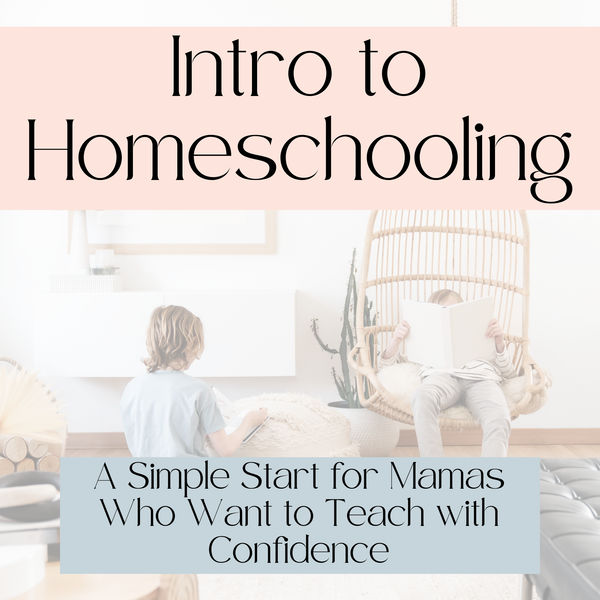
Master Homeschooling with Expert Guidance
Kendra Taylor's course covers all these styles and more, helping you choose the right approach for your family while managing the practical side: legal requirements, curriculum selection, daily rhythms, and support systems. Learn step by step at your own pace.
Enroll in Intro to Homeschooling →
Watch Before You Enroll
Learn how to share courses you believe in and earn commissions as an affiliate on The Great Discovery—the platform helping creators and educators reach more learners.
Ready to Go Deeper?
You've learned the fundamentals of homeschooling styles, legal basics, and who benefits most. This free course takes you from understanding to practical application—setting up your homeschool space, creating daily rhythms, choosing curriculum, and building the support system that makes homeschooling successful.
Start Learning Homeschooling on TGD →
Frequently Asked Questions
Can I homeschool without a teaching degree?
Yes. Homeschooling parents don't need teaching credentials; you're a facilitator and guide, not a classroom instructor. Many states have minimal requirements—primarily recordkeeping and curriculum documentation. You learn alongside your child and use available resources (textbooks, online courses, tutors) to ensure quality instruction. Confidence comes with time and community support.
What are the legal requirements for homeschooling?
Legal requirements vary significantly by state, ranging from very relaxed (some states require minimal notification) to detailed (specific curriculum approval, regular testing, or portfolio reviews). Most states require notification, basic documentation of attendance and academic progress, and curriculum that covers core subjects. You'll learn your specific state's requirements in this course.
How much time per day does homeschooling take?
Quality homeschooling doesn't require replicating a 7-hour school day. Many successful families complete focused work on core academics (reading, writing, math) in 2-3 hours daily, especially in elementary years. High school may require more time for depth, labs, and projects. The flexibility allows you to concentrate on learning rather than filling time.
Won't my homeschooled child lack socialization?
This is a persistent myth. Homeschooled children interact with families, communities, classes, clubs, sports, church, and co-ops. Research shows homeschoolers have similar or higher levels of social skills and healthy peer relationships compared to traditionally schooled children. The socialization is often more intentional and diverse.
What is unschooling, and is it really education?
Unschooling is child-led learning based on natural curiosity and real-world experiences. Rather than predetermined curricula, learning happens through play, projects, and exploration. Research supports that unschooling develops independent thinking, problem-solving, and intrinsic motivation. It works best for self-directed learners and families who deeply trust the learning process.
How much does homeschooling cost?
Homeschooling costs vary dramatically—from nearly free (library books, free online resources) to $2,000+ annually per child (comprehensive curriculum programs). Most families spend $300-$1,000 per year depending on their approach, materials chosen, and enrichment activities. This free course helps you understand options at every budget level.
Conclusion
Homeschooling transforms the relationship between parents and children's learning while offering flexibility that traditional schools cannot match. Whether your family values academic rigor, hands-on learning, schedule flexibility, or alignment with specific values, a homeschooling approach exists for you. From understanding different philosophies to managing legal requirements and creating daily rhythms, the path is clearer when you have guidance from someone who's walked it.
Kendra Taylor's free "Intro to Homeschooling" course provides exactly what beginning homeschoolers need: practical steps, myth-busting truth, and the confidence that you don't need a teaching degree to give your children an excellent education. Start with this foundational course, then build your family's unique approach from there.
Explore More on TGD
- More Home Schooling Courses
- Academic Learning Courses
- TGD Success Courses
- Explore More from Kendra Taylor
- The Great Discovery Home
Share Your Knowledge on The Great Discovery
Join Kendra Taylor and hundreds of other creators sharing their expertise. Create and sell your own courses on TGD—whether you specialize in homeschooling, education, parenting, or any other topic.