
Jonah's Lesson with Andrew Bills | TGD
Refusing God’s instruction is the choice to resist clear spiritual direction, often because of fear, pride, or resentment. Jonah’s story shows that obedience, repentance, and attitude can redirect a life, shape character, and change the outcome of a calling.

Refusing God’s instruction is the choice to resist clear spiritual direction, often because of fear, pride, or resentment. Jonah’s story shows that obedience, repentance, and attitude can redirect a life, shape character, and change the outcome of a calling.
Key Takeaways
- Jonah’s narrative is not only about a fish; it is about what happens when someone hears a clear instruction and refuses it.
- Fear, pride, and resentment often sit behind delay, even when a person already knows the next right step.
- Repentance is more than apology; it is the turn that restores direction after resistance.
- Attitude matters because partial compliance can still leave a person far from the purpose they are meant to serve.
- Andrew Bills’ basic-level course gives a simple entry point for learners who want structured reflection on obedience, mindset, and spiritual growth.
Table of Contents
- Understanding Refusing God's Instruction
- Key Concepts and Techniques
- Who Benefits from Learning Jonah's Lesson?
- What Do Students Say?
- Is This Course Worth It?
- About the Creator
- Essential Jonah and Obedience Concepts
- Watch Before You Enroll
- Frequently Asked Questions
- Conclusion
- Explore More on TGD
Understanding Refusing God's Instruction
Refusing God’s instruction is not just a single act of disobedience; it is a pattern of resistance that shapes direction, timing, and character. In the Book of Jonah, the story spans four short chapters, yet it compresses calling, avoidance, correction, and mercy into one compact arc. That makes it easy to read and hard to ignore.
The point of the narrative is not only that Jonah ran. It is that he knew the assignment and still chose delay, which is a common human response when fear or resentment feels stronger than trust. The story also shows that a person can obey outwardly and still struggle inwardly, which is why attitude matters as much as action.
Jonah’s journey matters because it gives readers language for resistance before resistance becomes a habit. It helps people notice when they are rationalizing, postponing, or half-obeying a clear next step. For that reason, the story remains useful far beyond its ancient setting.
Want to Learn Jonah's Lesson Step by Step?
This course on The Great Discovery covers Jonah's story in a structured format, making the lesson easier to apply to everyday decisions.
The Great Discovery (TGD) is a global online course marketplace where creators publish courses and learners discover practical training across business, technology, wellness, and personal growth.
Key Concepts and Techniques
These ideas explain why people resist, delay, or partially obey clear guidance. They are useful whether you are studying Jonah, reflecting on your own choices, or helping someone else work through a hard decision.
Hearing the Assignment
Knowing the next step is not the same as taking it. Jonah receives a clear assignment, which makes the resistance easy to recognize and the lesson easy to apply.
In practice, this concept helps readers separate confusion from refusal. When the direction is clear, the real question becomes whether the hesitation is practical or emotional.
Fear-Based Delay
Fear often disguises itself as caution, wisdom, or waiting for better timing. Jonah’s resistance shows how delay can become a way to protect comfort at the expense of obedience.
A useful response is to identify the smallest faithful next step instead of waiting for perfect confidence. That shift turns avoidance into movement.
Repentance and Return
Repentance is a change of direction, not just a feeling of regret. In Jonah’s story, the turn back matters because it reconnects the person to the assignment.
This framework is practical because it keeps the focus on restoration. The goal is not to remain stuck in guilt but to recover alignment quickly.
Attitude and Alignment
A person can complete a task and still resist the heart change the task was meant to produce. Jonah’s story shows that attitude shapes whether obedience becomes transformation or only compliance.
For readers, that means the real work is both external and internal. The action matters, but the posture behind the action determines what lasts.
Calling and Consequence
Calling gives direction, while consequence reveals the cost of refusing direction. Jonah’s experience shows that resistance does not erase purpose; it only delays the lesson.
This concept is useful for anyone making decisions under pressure. It reminds readers that avoiding responsibility usually creates a larger burden later.
Who Benefits from Learning Jonah's Lesson?
This topic matters most for people who want to connect spiritual belief to real decisions. It fits readers who are working on obedience, leadership, mindset, or simple personal reflection.
New Bible Readers
If you are new to biblical stories, Jonah is one of the easiest narratives to study because it is short and highly structured. The four-chapter arc makes it simple to follow the sequence of refusal, correction, and return.
Andrew Bills’ Basic-level course on TGD is a reasonable starting point for this audience because it offers a direct, approachable path into the theme.
Leaders and Mentors
Leaders often need to act before they feel fully ready, which makes Jonah’s lesson practical rather than abstract. The story asks how much a leader’s posture affects the people who depend on that leader.
That is why the course’s Leadership Development category fits the subject well. It ties internal mindset to outward responsibility.
People Stuck in Delay
If you already know what you should do but keep postponing it, this topic speaks directly to your situation. Jonah’s resistance shows how delay can become a habit when fear or resentment is left unchallenged.
The course is useful here because it focuses on attitude and destiny, which are exactly the issues many people wrestle with when they are stuck.
Basic-Level Spiritual Learners
Some readers want a simple lesson that combines reflection, Scripture, and practical application. That is a strong fit for a course that lives in Spiritual Growth and Mindset.
Because the course is marked Basic, it works well for learners who want a clear entry point rather than a dense academic study.
What Do Students Say?
This course is new to the marketplace and hasn't collected reviews yet. Check back after launch for student feedback.
Is This Course Worth It?
Yes, if you want a basic, reflective introduction to Jonah's lesson and its practical implications.
It is best for beginners, spiritually curious readers, and people who want a simple way to think about obedience, attitude, and calling. The course description points directly to those themes, and the Basic skill level supports that starting-point use.
It is not the right fit for someone looking for advanced theological commentary or a broad library of related material. The creator profile is still small, with 1 course and 6 learners, so the strongest case for the course is its focused subject rather than a large catalog.
The verdict is that this is a strong next step on TGD when you want a concise spiritual-growth lesson that connects belief to action. With no published reviews yet, the course is best judged as an early, focused entry rather than a mature, widely reviewed offering.
About the Creator
Andrew Bills is the creator behind this course. The current profile data is sparse, but it still shows a focused start: 1 course, 6 total learners, and an average rating of 0.0.
- Courses created: 1
- Total learners: 6
- Average rating: 0.0
No creator bio is provided in the available data, so the course page itself is the best source for understanding his teaching angle. You can review the creator profile here: Andrew Bills on TGD.
Essential Jonah and Obedience Concepts
These patterns show how response, timing, and attitude shape the outcome of a calling. Use them as a practical lens when you read Jonah or reflect on your own decisions.
| Pattern | What It Means | Practical Response |
|---|---|---|
| Clear instruction ignored | You know the next step but resist it. | Name the reason for delay before it hardens into habit. |
| Fear-based delay | Comfort feels safer than obedience. | Take the smallest faithful next step instead of waiting for perfect confidence. |
| Hard-hearted compliance | The task gets done, but the posture stays resistant. | Pair action with reflection so obedience becomes transformation. |
| Repentance and return | You turn back after resistance. | Acknowledge the refusal quickly and restart from the point of clarity. |
| Calling under pressure | Responsibility is heavier when others are affected. | Decide from conviction, not panic. |
These patterns turn Jonah from a one-time story into a practical guide for decision-making. That is also why the course description's focus on attitude and destiny is so relevant.
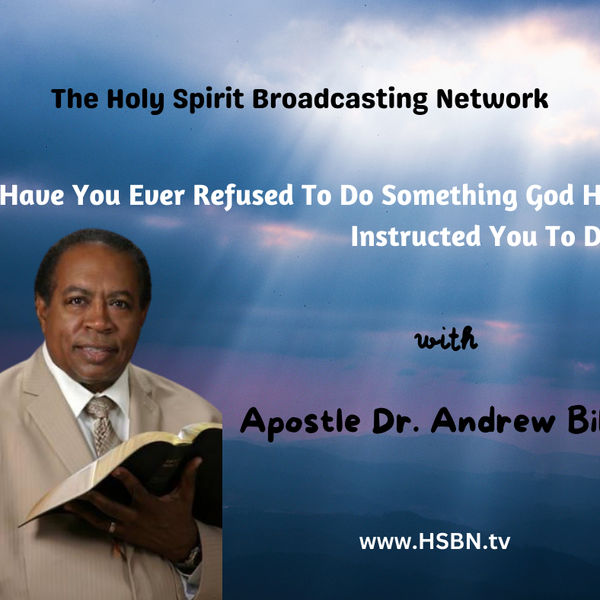
Master Jonah's Lesson with Expert Guidance
Andrew Bills' course covers the same themes you just saw in the table: resistance, attitude, obedience, and spiritual direction. It is a simple way to keep going from understanding to application.
Enroll in Have You Ever Refused to Do Something God Instructed You To Do? →
Watch Before You Enroll
Affiliate sharing works best when you understand the workflow before you post links.
Learn how to become an affiliate on The Great Discovery — the best affiliate program for course creators and marketers in 2026. Start earning commissions by sharing courses you believe in.
Frequently Asked Questions
What is Jonah's story really about?
Jonah's story is about receiving a clear assignment, resisting it, and learning that avoidance has consequences. The narrative also shows that repentance can restart direction.
Why do people refuse God's instruction?
Fear, pride, resentment, and uncertainty are common reasons. The Jonah narrative shows how those motives can hide behind practical excuses.
What does repentance look like in Jonah?
It looks like turning back after refusal and realigning with the assignment. In practice, repentance includes acknowledgment, humility, and action.
How does attitude affect spiritual growth?
Attitude determines whether obedience becomes transformation or mere compliance. A stubborn posture can slow growth even when behavior changes.
Is this topic useful for leadership development?
Yes, because leaders constantly choose between resistance and responsibility. The story is a useful case study in mindset, accountability, and follow-through.
Who is this TGD course best for?
It is best for beginners who want a basic, structured lesson on Jonah, obedience, and attitude. The course suits readers looking for a reflective starting point rather than advanced scholarship.
Ready to Go Deeper?
You have learned how refusal, repentance, and attitude shape the story of Jonah. This course is a natural next step if you want a guided, basic-level path from insight to practice.
Start Learning Jonah's Lesson on TGD →
Conclusion
Jonah's story teaches that refusing guidance is rarely a neutral choice. It shapes direction, delays growth, and reveals whether obedience is driven by trust or by pressure. If you want a simple, basic-level way to keep reflecting on that lesson, Andrew Bills' course gives you a structured next step on TGD. It is best used as a starting point for personal reflection, not as a replacement for deeper study. Continue here: Have You Ever Refused to Do Something God Instructed You To Do?
Explore More on TGD
If you want to keep studying related themes, these TGD pages are the most relevant next stops.
Visit the TGD homepage or review more courses from Andrew Bills.
Share Your Knowledge on The Great Discovery
Join Andrew Bills and hundreds of other creators sharing their expertise. Create and sell your own courses on TGD.