Learn Green Living with Amy Hartshorn on The Great Discovery
Green living is the practice of lowering everyday exposure to unnecessary chemicals and waste by changing home products, shopping habits, and disposal routines. It matters because small, repeatable swaps can make a house cleaner, simpler, and easier to live in.
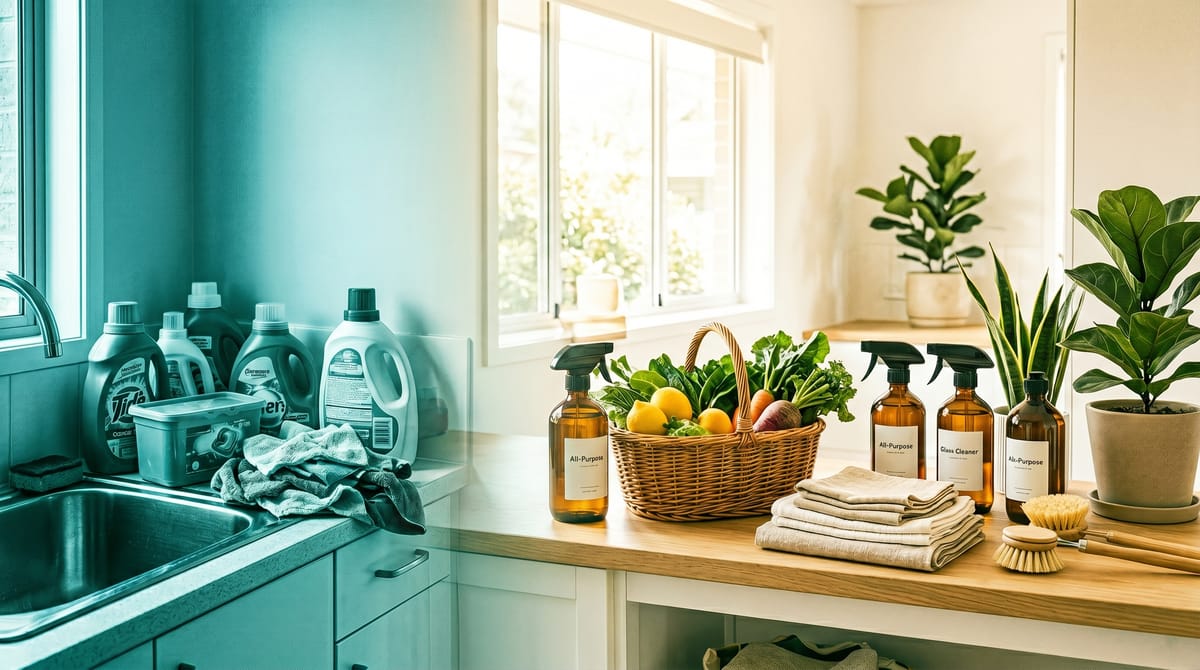
Green living is the practice of lowering everyday exposure to unnecessary chemicals and waste by changing home products, shopping habits, and disposal routines. It matters because small, repeatable swaps can make a house cleaner, simpler, and easier to live in.
Key Takeaways
- Green living works best when you start with the products you use most, especially cleaners, laundry items, and personal care.
- Reading ingredient labels helps you spot vague terms like fragrance and avoid buying on eco-friendly branding alone.
- Recycling matters, but reducing and reusing usually create more impact than depending on disposal systems.
- The easiest wins are usually one swap at a time, because habit change sticks when it feels low-friction.
- Amy Hartshorn's TGD course turns these ideas into a basic five-step plan for beginners who want structure without overwhelm.
Table of Contents
- Understanding Green Living
- Key Concepts and Techniques
- Who Benefits from Learning Green Living?
- What Do Students Say?
- Is This Course Worth It?
- About the Creator
- Green Living Essentials
- Watch Before You Enroll
- Frequently Asked Questions
- Conclusion
- Explore More on TGD
Understanding Green Living
Green living is a practical way to lower the amount of waste and unnecessary chemical exposure built into everyday routines. It starts with the products you buy, the packaging you accept, and the habits you repeat in kitchens, bathrooms, and laundry rooms.
The idea matters because the same small categories show up every day. Cleaning products, detergents, disposables, food packaging, and personal care items are easy places to change course without redesigning your whole life. When you choose simpler formulas, reuse what you already own, and buy only what you actually use, the benefits compound. You often save time, reduce clutter, and make the home feel less reactive and more intentional.
Green living also works better when it is specific. Instead of trying to change everything at once, start with one room or one routine and build from there. That approach helps people avoid all-or-nothing thinking and makes healthier habits more likely to last.
Want to Learn Green Living Step by Step?
This course on The Great Discovery covers the fundamentals in a structured format, starting with small home swaps and building toward a healthier routine.
The Great Discovery (TGD) is a global online course marketplace where creators publish courses and learners discover practical training across business, technology, wellness, and personal growth.
Key Concepts and Techniques
Green living becomes easier when you treat it as a system of small decisions, not a personality test. The goal is to reduce exposure and waste where it is easiest to act first.
Start With One Category
Pick one routine, such as cleaning or laundry, and improve that before moving on. This keeps the work small enough to finish and helps you see what changes actually matter in daily life.
Learn Label Literacy
Ingredient lists, fragrance terms, and packaging claims can tell very different stories. A simple label check helps you avoid buying based on marketing alone and encourages more intentional choices.
Use Reduction Before Recycling
Recycling is useful, but it is not the first tool to reach for. When you reduce and reuse first, you prevent waste before it becomes a sorting problem.
Swap Laundry Next
Laundry touches skin, clothing, and the air in your home, so it is a high-value place to simplify. A cleaner detergent or a less heavily scented option can make the routine feel lighter without changing the whole system.
Review Personal Care Last
Personal care products are a sensible final step because they are used so often. Swapping one item at a time keeps the process manageable and helps you notice which changes feel best.
Who Benefits from Learning Green Living?
This course is best for beginners who want a Basic, low-overwhelm entry point into green living. Its Health and Fitness, Green Living, and Sustainability categories fit people who want practical household change, not theory for its own sake.
Busy Beginners
If you are new to the topic, a five-step structure prevents decision fatigue. The course is a good starting point when you want to make one clean change at a time.
Households with Recurring Routines
Families and shared households benefit because cleaning, laundry, and personal care choices repeat constantly. The course helps you focus on the highest-frequency changes first, which is where momentum usually comes from.
Eco-Aware Shoppers
If you already think about packaging, organic food, or disposables, this topic helps you connect those instincts to a fuller home strategy. For this group, Amy Hartshorn's TGD course is a sensible next step because it organizes scattered ideas into a clearer path.
Wellness-Minded Learners
If your goal is to feel better about what touches your home and body, green living gives you a practical framework. The Basic level makes the course approachable even if you do not want a deep technical dive.
What Do Students Say?
Feedback is brief but strongly positive. The available review emphasizes practical changes that feel doable instead of overwhelming.
"This course is the perfect balance of practical and powerful. I appreciated how it focuses on simple changes that make a big difference, without overwhelming you. Highly recommend it for anyone looking to make healthier choices in a way that feels doable and empowering."— Alex Hitt
The sentiment is clear: the course appeals to people who want action they can use immediately. That is a good sign for beginners looking for a gentle but concrete start.
Is This Course Worth It?
Yes, if you want a grounded beginner path into greener home habits.
It is best for readers who want to start with cleaning, laundry, food shopping, plastics, and personal care without a steep learning curve. The Basic level and simple five-step framing make the course approachable.
It is not the right fit if you want advanced environmental policy analysis, deep chemistry, or a purely theoretical sustainability course. You will get practical guidance, not an academic survey.
As a next step on TGD, it makes sense when you already know the problem you want to solve and now need a sequence you can actually follow. The creator context and positive review suggest a course built for steady habit change.
About the Creator
Amy Hartshorn focuses on clear, wellness-oriented green living guidance. Her creator bio is "Clear Out the Toxins, Bring in the Wellness," and her profile shows 2 courses created, 7 total learners, and a 5.0 average rating.
View Amy Hartshorn on The Great Discovery
Green Living Essentials
The core decisions in green living usually fall into five buckets: cleaner ingredients, smarter shopping, less plastic, better laundry, and simpler personal care. The table below turns those buckets into a quick reference.
| Concept | What It Means | Practical Move |
|---|---|---|
| Safer cleaning swaps | Choose a cleaner with fewer ingredients and less fragrance burden | Replace one high-use cleaner first |
| Organic food priorities | Focus on the foods you buy most often and eat regularly | Start with the items that touch your routine every day |
| Plastic reduction | Cut disposables and single-use packaging where possible | Carry reusable bags, containers, and bottles |
| Recycling reality check | Recycle only what local systems actually accept | Learn your local rules before sorting waste |
| Laundry detox | Reduce harsh scents and unnecessary additives | Try a cleaner detergent or a lower-odor option |
| Personal care review | Check products that touch skin daily | Swap one product at a time so the change sticks |
The point is not to buy more things. It is to make the things you already use simpler, safer, and easier to repeat. That is the same logic the course applies across home, body, and shopping habits.

Master Green Living with Expert Guidance
Amy Hartshorn's course covers the same practical home, food, laundry, and personal care ideas from the table, then organizes them into a simple five-step path.
Enroll in Your 5-Step Green Living Kickstart: Simple Shifts to Detox Your Life →
Watch Before You Enroll
If you want to understand how affiliate sharing works on TGD, watch this short explainer.
Learn how to become an affiliate on The Great Discovery — the best affiliate program for course creators and marketers in 2026. Start earning commissions by sharing courses you believe in.
Frequently Asked Questions
These are the questions people usually ask before they start green living. The answers focus on practical habits, safer product choices, and what beginners should expect.
What is green living?
Green living is the practice of reducing waste and unnecessary chemical exposure in everyday routines. It usually begins with home products, shopping choices, and how you handle packaging and disposal.
What are the easiest green living swaps for beginners?
Start with cleaners, laundry products, and one personal care item. Small changes are easier to keep than a full home overhaul, especially when you focus on the products you use most often.
Do natural products always mean safer products?
No. Ingredient lists and how a product is used matter more than the word natural. Some plant-based ingredients can still irritate skin or lungs, so labels and usage directions still matter.
How do I reduce toxic exposures at home?
Focus on repeat exposures first: cleaning, laundry, food storage, and personal care. Swap one category at a time so the change is sustainable and easier to maintain.
Is recycling enough to live sustainably?
Usually not. Reducing and reusing prevent waste before recycling ever has to handle it, which is why they often create more impact.
Is this TGD course good for beginners?
Yes. It is Basic and built around five essential shifts for a low-overwhelm start. The available review also points to a practical, empowering teaching style.
Ready to Go Deeper?
You have learned the core ideas behind green living, from safer home swaps to better shopping decisions. This course takes those ideas from awareness into a simple plan you can follow.
Start Learning Green Living on TGD →
Conclusion
Green living is not a single purchase or a perfect lifestyle. It is a sequence of small, repeatable choices that reduce waste, simplify routines, and lower unnecessary exposure at home. Once you understand how cleaners, laundry, shopping, plastics, and personal care fit together, the topic becomes practical instead of abstract. Amy Hartshorn's course gives beginners a simple five-step path for turning that understanding into action. Explore the course on The Great Discovery.
Explore More on TGD
If you want to keep exploring, TGD has more courses in adjacent wellness and sustainability categories. Start with the links below, then use the creator page and homepage for broader browsing.
- Browse Green Living courses
- Browse Sustainability courses
- Browse Health and Fitness courses
- Amy Hartshorn creator page
- The Great Discovery homepage
Share Your Knowledge on The Great Discovery
Join Amy Hartshorn and hundreds of other creators sharing their expertise. Create and sell your own courses on TGD.