
Keeno & Ernest: A New Friend by Maggie van Galen | TGD
Children's stories about friendship and identity help young readers practice empathy, spot peer pressure, and learn that being themselves is enough. For PreK to mid-elementary children, these stories support literacy and social-emotional learning at the same time.
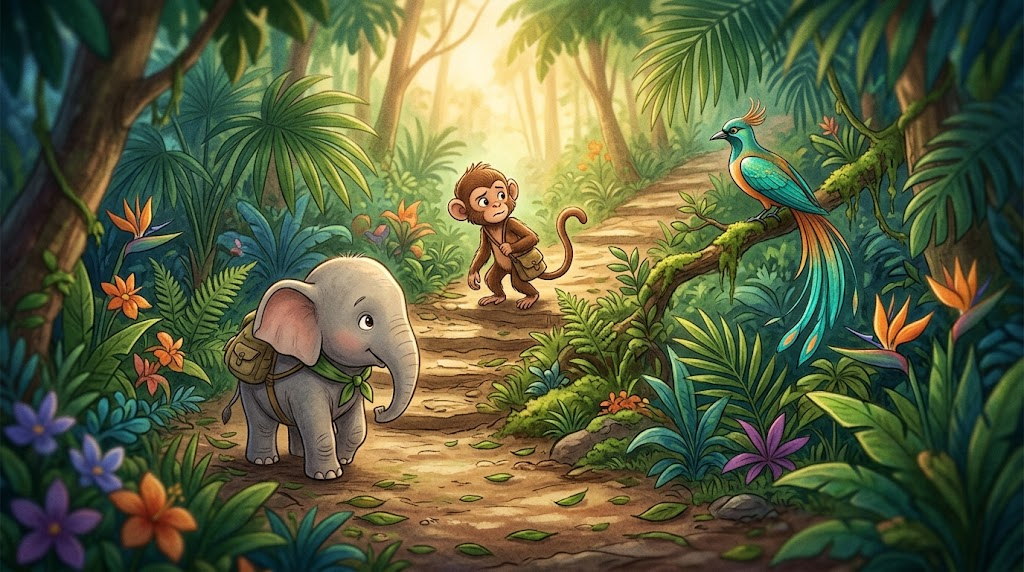
Children's stories about friendship and identity help young readers practice empathy, spot peer pressure, and learn that being themselves is enough. For PreK to mid-elementary children, these stories support literacy and social-emotional learning at the same time.
Key Takeaways
- Friendship stories help children rehearse social choices before they face them in real life.
- Identity-focused books can reduce the pressure to copy others just to fit in.
- According to the National Assessment Governing Board, average NAEP reading scores fell by 2 points for both 4th and 8th graders in 2024 versus 2022.
- According to CDC data, 60% of children ages 6 to 17 show all three flourishing indicators, so stories that support belonging still matter.
- The Great Discovery lists The Adventures of Keeno & Ernest ~ A New Friend as a downloadable PDF book for PreK to mid-elementary readers.
Table of Contents
- Understanding Children's Friendship and Identity Stories
- Key Concepts and Techniques
- Who Benefits from Learning Children's Friendship and Identity Stories?
- What Do Students Say?
- About the Creator
- Essential Friendship Story Elements
- Watch Before You Enroll
- Frequently Asked Questions
- Conclusion
- Explore More on TGD
Understanding Children's Friendship and Identity Stories
Children's friendship stories matter because they turn abstract ideas like belonging, honesty, and self-confidence into concrete examples. According to the National Assessment Governing Board, average NAEP reading scores fell by 2 points for both 4th and 8th graders in 2024 versus 2022. That makes every strong read-aloud more valuable, because it can build fluency while also building comprehension.
According to CDC data released in 2025 and 2026, 60% of children ages 6 to 17 show all three flourishing indicators, and 58% of U.S. high school students said they received the social and emotional support they needed. Those numbers show why stories about friendship and identity matter beyond entertainment. They give children language for emotions, pressure from peers, and the difference between a safe friend and an unhealthy influence.
For young readers, especially in the PreK to mid-elementary range, a story can function as rehearsal. A child can watch a character make a mistake, feel lost, recover, and learn without real-world consequences. That is where the teaching power of children's literature is strongest.
Want to Learn Children's Friendship and Identity Step by Step?
This story-based course turns those ideas into a simple, age-appropriate read-aloud for young learners.
Key Concepts and Techniques
Children learn friendship best when stories show choices, consequences, and repair. The most useful books do not just tell kids to be kind. They show what kindness looks like when a character is tempted, confused, or trying to impress someone else.
Modeling Healthy Friendship
Healthy friendship stories show trust, consistency, and mutual care. In The Adventures of Keeno & Ernest ~ A New Friend, Keeno's relationship with Ernest gives children a contrast between steady friendship and flashy approval.
Adults can use that contrast to ask simple questions: Who helps? Who distracts? Who makes you feel safe being yourself? Those questions build emotional vocabulary without sounding like a lecture.
Recognizing Peer Pressure
Peer pressure is not always dramatic; for children, it often looks like copying behavior, changing appearance, or chasing attention. A story about a character who changes to win over a new friend helps children spot that pattern early.
Once children can name pressure, they can talk about it. That makes it easier to discuss boundaries, confidence, and what to do when a choice feels wrong.
Identity Over Imitation
Identity stories remind children that they do not need to become someone else to be valued. Keeno's lesson about being himself is useful because it is simple, memorable, and easy to repeat in conversation.
Parents and teachers can reinforce the idea with prompts like, 'What parts of you are already good?' and 'What would change if you stopped trying to impress people?' Those prompts turn a picture book into a practical self-esteem exercise.
Read-Aloud Discussion
A strong read-aloud pauses for prediction, reflection, and recap. Ask children what they think will happen, what the character feels, and what they would do next.
This works especially well with animal characters, because children often project feelings onto animals more easily than onto people. That lowers defensiveness and invites honest answers.
Who Benefits from Learning Children's Friendship and Identity Stories?
This topic helps the most when adults want a short, meaningful way to teach belonging. The best audience is not just children. It also includes the adults who guide them through stories, routines, and conversations.
Parents and Caregivers
Parents can use friendship stories to start low-pressure conversations about honesty, confidence, and choosing good friends. The supplied data does not list a separate skill_level or price, so the safest recommendation signal is the PreK to mid-elementary reading level plus the Parenting, Kids Content, and Teaching / Education categories.
If you want a simple starting point, the TGD course is a practical fit because it is a downloadable PDF book. It is easy to revisit at bedtime, during quiet time, or after a real social disagreement.
Preschool and Early Elementary Teachers
Teachers need material that supports both literacy and social-emotional learning. A story like this works well for group read-alouds because it has a clear character problem, a visible consequence, and a clean discussion point.
It also fits short lesson windows. You can read, ask three questions, and connect the story to classroom behavior in one sitting.
Counselors and SEL Facilitators
Counselors often need examples that feel safe rather than confrontational. Animal characters make it easier to discuss friendship mistakes, envy, and self-image without putting any child on the spot.
That makes a book like this a useful bridge into broader social-emotional learning work. It gives children a shared reference point before they discuss their own experiences.
Reluctant Readers and New Readers
Children who are still building confidence often do better with short, visual, repeatable stories. A PreK-to-mid-elementary format lowers the reading burden while still carrying a meaningful lesson.
For families looking for a beginner-friendly option, the course title and age level make it a logical place to start. The supplied data does not list pricing, so the value is easiest to judge by fit and accessibility.
What Do Students Say?
This course is new to the marketplace and hasn't collected reviews yet. Check back after launch for student feedback. For now, the strongest signal is the clear match between the book's theme, its reading level, and its educational use case.
About the Creator
Maggie van Galen is listed as Author & Wordsmith. According to the supplied creator data, she has created 4 courses, reached 6 learners, and holds an average rating of 0.0.
Her creator page is here: Maggie van Galen. That background fits a story-driven course built around characters, lessons, and child-friendly language.
Essential Friendship Story Elements
The best friendship stories give children a clear pattern to notice, discuss, and remember. The table below breaks down common elements you can look for in children's books about friendship and identity.
| Story Element | What It Teaches | How Adults Can Use It |
|---|---|---|
| Trusted friend | Consistency and loyalty | Ask who helps when things go wrong |
| Flashy new friend | Peer pressure and distraction | Talk about choices that feel exciting but unsafe |
| Character mistake | Consequences of trying to fit in | Pause and predict what happens next |
| Lost or scared moment | Emotional recovery and problem-solving | Discuss what the character needs in that moment |
| Lesson learned | Identity and self-acceptance | Repeat the story's core message in one sentence |
A story like The Adventures of Keeno & Ernest ~ A New Friend uses these elements to keep the lesson memorable. That is why it works well as both a bedtime story and a discussion starter.

Master Children's Friendship and Identity with Expert Guidance
Maggie van Galen's course covers these core ideas through a simple story that is easy to revisit with young readers. The table above shows the same lessons the book reinforces: trust, pressure, consequences, and self-acceptance.
Enroll in The Adventures of Keeno & Ernest ~ A New Friend →
Watch Before You Enroll
Watch this short video overview to understand the main ideas behind The Adventures of Keeno & Ernest ~ A New Friend before you enroll.
This video introduces The Adventures of Keeno & Ernest ~ A New Friend and previews keeno is a mischievous little monkey, and his best friend Ernest is a clever and responsible young elephant.
Frequently Asked Questions
These are the most common questions parents and teachers ask about friendship stories for young readers. The answers below focus on how stories build empathy, confidence, and early literacy.
What do children's friendship stories teach?
They teach children how to notice kindness, pressure, exclusion, and repair. They also help children practice empathy by showing consequences in a safe, memorable format.
Why are identity stories important for young children?
Identity stories help children understand that they do not need to copy others to be valued. That matters because social belonging is powerful, and CDC data shows only 60% of children ages 6 to 17 meet all three flourishing indicators.
How can adults use a read-aloud to teach friendship?
Pause before key choices and ask what the character feels, what the character wants, and what a good friend would do. Short discussion turns a simple book into a social-skills lesson.
What age is best for stories about being yourself?
PreK to mid-elementary is a strong range because children can follow simple plots and repeat core ideas. The Great Discovery lists this title for that level, which makes it useful for read-alouds and early discussion.
How do these stories support reading growth?
They support reading growth by giving children a reason to track plot, infer emotion, and explain cause and effect. According to the National Assessment Governing Board, reading scores fell by 2 points for both 4th and 8th graders in 2024 versus 2022, so engaging texts matter.
Is The Adventures of Keeno & Ernest ~ A New Friend beginner-friendly?
Yes. The Great Discovery lists it as a downloadable PDF book with a reading level of PreK to mid-elementary, and the categories include Parenting, Kids Content, Teaching / Education, and TGD Success. The supplied data does not list price.
Ready to Go Deeper?
You've learned how friendship stories can build empathy, self-confidence, and better social choices. This course turns those ideas into a child-friendly story you can use again and again.
Start Learning Children's Friendship and Identity on TGD →
Conclusion
Children's stories about friendship and identity teach more than a moral. They help young readers recognize pressure, understand consequences, and practice being themselves. That is especially useful now, when reading scores remain under pressure and social-emotional support still leaves many children short.
If you want a ready-made read-aloud that brings those lessons together, The Adventures of Keeno & Ernest ~ A New Friend is a natural next step. Explore the story on The Great Discovery and use it as a simple, repeatable way to talk about friendship and identity. Open the course here.
Explore More on TGD
Keep learning with related TGD pages and categories. Because no related courses were supplied, the links below point to useful starting places on The Great Discovery.
- Parenting courses
- Kids Content courses
- Teaching / Education courses
- TGD Success courses
- The Great Discovery homepage
- Maggie van Galen creator page
Share Your Knowledge on The Great Discovery
Join Maggie van Galen and hundreds of other creators sharing their expertise. Create and sell your own courses on TGD.