
Learn Letting Go with Jim Britt on TGD
Letting go is the process of releasing rumination, fear, perfectionism, and old emotional patterns so you can think clearly, act consistently, and recover energy. It reduces internal friction, but it does not erase goals or ambition.

Letting go is the process of releasing rumination, fear, perfectionism, and old emotional patterns so you can think clearly, act consistently, and recover energy. It reduces internal friction, but it does not erase goals or ambition.
Key Takeaways
- Letting go is less about passivity and more about reducing the mental friction that keeps people stuck.
- According to Gallup, 39% of adults worldwide reported a lot of worry in 2024, and 37% reported a lot of stress, so this is a population-scale issue.
- Unresolved stress can affect work, relationships, health, and decision-making at the same time.
- Practical letting-go work usually starts with noticing the pattern, naming it honestly, and replacing it with a calmer response.
- The Great Discovery course gives a structured next step if you want to turn these ideas into a repeatable practice.
Table of Contents
- Understanding Letting Go
- Key Concepts and Techniques
- Who Benefits from Learning Letting Go?
- What Do Students Say?
- About the Creator
- Common Blocks That Make Letting Go Hard
- Watch Before You Enroll
- Frequently Asked Questions
- Conclusion
- Explore More on TGD
Understanding Letting Go
Letting go means releasing the mental and emotional patterns that keep you locked in repeated stress. According to Gallup, 39% of adults worldwide reported a lot of worry the previous day in 2024, and 37% reported a lot of stress, which shows how common this burden has become. When worry becomes chronic, it consumes attention and makes it harder to make clear decisions.
According to Gallup, 18.3% of U.S. adults were currently having or being treated for depression in 2025, a figure projected at about 47.8 million Americans. That scale matters because emotional strain can show up as procrastination, conflict, burnout, or a sense of being blocked even when you know what to do. Letting go matters because it creates room for better judgment, steadier effort, and healthier follow-through.
Want to Learn Letting Go Step by Step?
This course on The Great Discovery covers the same foundations and gives you a practical path for applying them.
Key Concepts and Techniques
Letting go works best when you treat it as a set of repeatable skills, not a vague mood. The patterns that hold people back usually respond to awareness, replacement, and practice.
1. Notice the Trigger
Start by identifying what activates the block. It might be criticism, money pressure, relationship conflict, or a task that feels too big to fail. Once you know the trigger, you can stop treating the reaction as random.
2. Name the Story
Many people replay an internal story such as "I am behind," "I always mess this up," or "I cannot trust the outcome." Naming the story turns it from a hidden force into something you can evaluate. That shift makes the reaction easier to change.
3. Replace Reaction with Choice
When stress rises, the nervous system tends to choose the fastest familiar response. A better approach is to pause, breathe, and pick one small action that fits your values. In practice, that could mean sending the email, making the call, or setting one boundary instead of spiraling.
4. Reconnect to Purpose
Gallup’s November 2025 workplace study found that only 18% of employees said their current job has a purpose they personally believe in. Purpose matters because it reduces burnout risk and gives effort a reason beyond pressure, which makes persistence easier.
5. Practice Emotional Release
Release can include journaling, honest conversation, movement, reflection, or guided exercises that help you stop carrying yesterday into today. The goal is not denial. The goal is to stop paying energy to a pattern that no longer serves you.
Who Benefits from Learning Letting Go?
This topic helps people who want better results without carrying so much internal resistance. The course data lists Mental/Emotional Health, Entrepreneurship and Business, TGD Success, and Self Improvement, so it fits both personal growth and performance goals. The source data does not list a separate skill level or price, so the safest read is that it is a general-audience starting point.
People dealing with stress and worry
If your mind stays busy even when nothing urgent is happening, this topic is directly relevant. The Gallup data on global worry and stress shows that you are not dealing with an isolated problem. You are dealing with a common modern pattern that can be changed with better emotional habits.
Entrepreneurs and business owners
Business owners often confuse pressure with progress. Learning to let go helps you make cleaner decisions, reduce reactivity, and stop carrying one setback into the next opportunity. If you want a structured introduction, Jim Britt’s TGD course is a logical place to start.
People rebuilding confidence after setbacks
Repeated disappointment can harden into identity. Letting go helps you separate what happened from who you are so you can act again without dragging old loss into every new attempt. That is useful in money, relationships, health, and work.
Readers who want practical self-improvement
If you like clear frameworks and daily application, this topic gives you concrete moves instead of abstract motivation. The course’s general-audience framing makes it accessible if you want an approachable entry point into emotional self-management.
What Do Students Say?
This course is new to the marketplace and hasn’t collected reviews yet. Check back after launch for student feedback.
About the Creator
Jim Britt is listed as the creator of this course and is described as a Peak Performance Expert. The provided data shows 3 total courses, 19 total learners, and an average rating of 0.0 in the source record. That is a small catalog, which usually means the creator page is worth reviewing for depth of focus rather than broad marketplace volume.
Learn more on the Jim Britt creator page on The Great Discovery.
Common Blocks That Make Letting Go Hard
Most people do not struggle because they lack information; they struggle because certain mental patterns keep reactivating. The table below shows the most common blocks and what to do about them.
| Block | What It Looks Like | Better Response |
|---|---|---|
| Rumination | Replaying the same event or argument in your head | Interrupt the loop with a written summary and one next action |
| Perfectionism | Waiting until everything feels safe or flawless | Choose a smaller first step and define "good enough" |
| Fear of rejection | Avoiding conversations, pitches, or boundaries | Practice short, low-stakes exposure to the feared action |
| Identity-based self-talk | Saying "this is just how I am" when stuck | Replace fixed labels with behavior-specific language |
| Burnout | Feeling drained, numb, or unable to care | Rest first, then simplify demands and reconnect to purpose |
| Overcontrol | Trying to manage every outcome and person | Focus on what you control and release the rest |
These patterns are useful to recognize because they often drive the same money, relationship, health, and work problems from behind the scenes. Jim Britt’s course is positioned as a guided way to work through that internal friction.
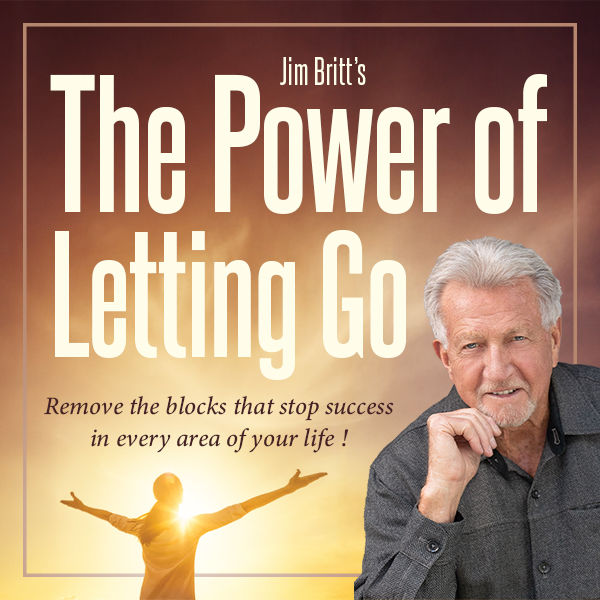
Master Letting Go with Expert Guidance
Jim Britt’s course covers these core blocks and the emotional habits that keep them in place, with a structured path you can follow at your own pace.
Enroll in The Power of Letting Go-Removing the Blocks that Stop Your Success in any Area of Life →
Watch Before You Enroll
Watch this short video overview to understand the main ideas behind The Power of Letting Go-Removing the Blocks that Stop Your Success in any Area of Life before you enroll.
This video introduces The Power of Letting Go-Removing the Blocks that Stop Your Success in any Area of Life and previews aRE YOU EXPERIENCING ANY OF THE FOLLOWING FEELINGS AND EMOTIONS If you're ready to finally get these things "handled"… and say "GOODBYE" to the problems and issues that have sabotaged you with Money, Relationships, Health, Work, and Happiness your entire life… Join Jim Britt in the life-changing series.
Frequently Asked Questions
What does it mean to let go emotionally?
Emotional letting go means stopping the habit of replaying, resisting, or over-identifying with a painful experience. It does not mean pretending the event never happened. It means reducing its control over your present decisions.
Why is letting go so hard?
Letting go is hard because the brain prefers familiar patterns, even when those patterns are stressful. Rumination can feel productive, but it usually just keeps the stress response active and drains attention.
Can letting go improve work performance?
Yes. Gallup’s November 2025 workplace study found that employees with strong work purpose were far less likely to feel burned out very often or always than those with low purpose. Less internal friction usually means steadier performance.
How does chronic stress affect daily life?
Chronic stress can weaken focus, increase reactivity, and make it harder to recover from setbacks. Gallup found that 37% of adults worldwide reported a lot of stress the previous day in 2024, which shows how common this problem is.
Is the TGD course beginner-friendly?
The provided data labels the course as General Audiences, which suggests it is accessible to most adults. The source data does not list a price or a separate skill level, so the safest read is that it is a broad introductory option.
What is a practical first step to start letting go?
Start by naming the specific thought, fear, or memory that keeps returning. Then write one action you can take today that is not based on that fear. Small action is often the quickest way to reduce the emotional charge.
Ready to Go Deeper?
You've learned the fundamentals of letting go and how stress, purpose, and repeated patterns shape results. This course is the natural next step if you want a guided process instead of trial and error.
Start Learning Letting Go on TGD →
Conclusion
You now have the core picture of letting go: it is a practical skill for reducing worry, loosening perfectionism, and breaking the patterns that drain energy. You also saw why it matters now, with Gallup reporting widespread global stress and worry and persistent depression in the U.S. If you want a structured way to work through those blocks, Jim Britt’s The Power of Letting Go course on The Great Discovery is a sensible next step for deeper practice and lasting change. Open the course here.
Explore More on TGD
Keep learning with related TGD topics and creator resources.
- Mental/Emotional Health courses
- Entrepreneurship and Business courses
- Self Improvement courses
- The Great Discovery homepage
- Jim Britt creator page
Share Your Knowledge on The Great Discovery
Join Jim Britt and hundreds of other creators sharing their expertise. Create and sell your own courses on TGD.