Learn the Water Cycle with Nichole Antonio on The Great Discovery
The water cycle is the continuous process by which water moves between Earth's oceans, land, and atmosphere through evaporation, condensation, precipitation, and collection—a fundamental process that sustains all life on the planet.
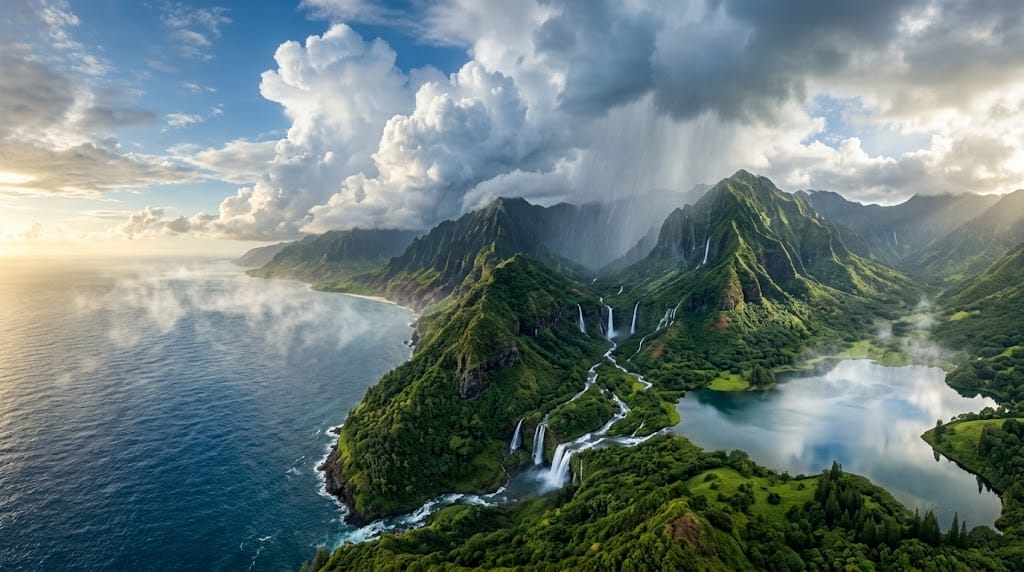
The water cycle is the continuous process by which water moves between Earth's oceans, land, and atmosphere through evaporation, condensation, precipitation, and collection—a fundamental process that sustains all life on the planet.
Key Takeaways
- Water is constantly moving between the atmosphere, land surfaces, and oceans in a continuous, never-ending cycle
- The four main stages are evaporation, condensation, precipitation, and collection—each playing a critical role
- The water cycle regulates Earth's weather patterns, temperature, and makes freshwater available to ecosystems
- This free course uses interactive activities to help students understand each stage with real-world examples
- Designed for young learners, this course builds foundational science knowledge through hands-on exploration
Table of Contents
- Understanding the Water Cycle
- Want to Learn More?
- The Four Stages of the Water Cycle
- Who Benefits from Learning the Water Cycle?
- What Do Students Say?
- About the Creator
- Water Cycle Processes and Examples
- Master the Water Cycle
- Watch Before You Enroll
- Ready to Go Deeper?
- Frequently Asked Questions
- Conclusion
- Explore More on TGD
Understanding the Water Cycle
The water cycle is Earth's most essential natural process, constantly recycling water to support weather, climate, and all living ecosystems. Every drop of water you drink has been cycling through clouds, oceans, and rivers for billions of years. This process happens in four connected stages that work together seamlessly.
Water covers about 71% of Earth's surface, yet only a tiny fraction is freshwater available to humans and plants. The water cycle continuously purifies and redistributes water, evaporating from oceans and returning as precipitation on land. Without the water cycle, there would be no rain, no rivers, and no life as we know it.
Understanding how water moves through the environment is fundamental to grasping weather patterns, climate change, and environmental science. Students who learn the water cycle early develop a mental model for how natural systems work—knowledge they'll use throughout their lives in weather forecasting, agriculture, conservation, and more.
Want to Learn the Water Cycle Step by Step?
This free course on The Great Discovery covers all four stages with interactive activities and real-world examples that bring the water cycle to life.
The Four Stages of the Water Cycle
The water cycle consists of four interconnected stages: evaporation, condensation, precipitation, and collection—each essential to the continuous movement of water on Earth.
Evaporation
Evaporation is the process where water from oceans, lakes, and rivers turns into water vapor and rises into the atmosphere. Heat from the sun provides the energy needed to transform liquid water into invisible gas. This happens constantly during the day, and plants also release water vapor through transpiration—a combined process called evapotranspiration.
Condensation
As water vapor rises into the atmosphere, it cools down in the colder air. When the vapor cools enough, it transforms back into liquid water droplets—this is condensation. These droplets cluster together to form clouds and fog. Without condensation, there would be no clouds and no rainfall.
Precipitation
When water droplets in clouds combine and become heavy enough, they fall back to Earth as precipitation—rain, snow, sleet, or hail. Precipitation is the primary way freshwater returns to land and replenishes rivers, lakes, and groundwater. Different regions experience different types of precipitation based on temperature and weather conditions.
Collection
Precipitation that falls on land collects in oceans, lakes, rivers, and underground aquifers. Some water soaks into the soil and becomes groundwater, while other water flows across the surface into rivers and streams. Much of this collected water eventually evaporates again, or flows back to the ocean, completing the cycle.
Who Benefits from Learning the Water Cycle?
The water cycle is a foundational science concept relevant to students, educators, and anyone curious about how our planet's natural systems work.
K-12 Students and Young Learners
The water cycle is a core science standard taught in elementary and middle school. Understanding evaporation, condensation, precipitation, and collection helps students grasp fundamental Earth science concepts. Nichole Antonio's free course is designed specifically for this age group, using interactive activities and clear explanations that make abstract processes concrete and memorable.
Homeschooling Families
Parents teaching children at home need engaging, well-structured lessons that cover required science content. This course provides a ready-made curriculum module on the water cycle with activities that keep young learners interested. The structured format saves parents time while ensuring comprehensive coverage of the topic.
Educators and Teachers
Teachers looking for supplemental resources or fresh approaches to teaching the water cycle will find this course valuable. Educators can use the course materials as a reference for lesson planning or recommend it to students who need additional practice. The hands-on activities align with how modern science education emphasizes learning-by-doing.
Curious Learners of Any Age
Anyone wondering how rain forms or where clouds come from will find clear, accurate answers in this course. The water cycle applies to real-world questions about weather, climate, and environmental protection. Learning about this process deepens appreciation for natural systems and is foundational for advanced study in meteorology, hydrology, or environmental science.
What Do Students Say?
This course is new to the marketplace and hasn't collected student reviews yet. Check back after launch for feedback from learners who have completed the water cycle module.
About the Creator
Nichole Antonio is a CoachSulting Specialist, experienced teacher, and course creator dedicated to making science education engaging and accessible. With 12 courses created and a 5.0 average rating from learners, Nichole brings both teaching expertise and a commitment to high-quality educational content.
To date, Nichole's courses have reached 22 learners across a range of topics. Her background as a classroom teacher informs her ability to structure complex concepts for learners of different ages and skill levels. Visit her creator profile to explore her other courses and learning resources.
View Nichole Antonio's Creator Profile →
Water Cycle Processes and Examples
The water cycle includes several related processes that work together to move water continuously around the planet. Understanding these interconnected processes helps explain weather patterns, seasonal changes, and environmental challenges like droughts and flooding.
| Process | What Happens | Real-World Example | Why It Matters |
|---|---|---|---|
| Evaporation | Water from oceans and land turns into invisible water vapor and rises into the atmosphere | Puddles disappearing after rain, wet clothes drying on a clothesline | Returns water from Earth's surface to the atmosphere where it can travel globally |
| Transpiration | Plants release water vapor from their leaves into the atmosphere | A forest releasing moisture that forms clouds downwind | Plants contribute significantly to atmospheric water; forests are major water cycle drivers |
| Condensation | Water vapor cools and transforms into liquid water droplets, forming visible clouds | Fog forming over a cool lake, windows fogging up in a bathroom | Allows water to return toward Earth; without condensation, no clouds or rain would form |
| Precipitation | Water falls from clouds as rain, snow, sleet, or hail depending on temperature | Thunderstorms in summer, snow in winter, light drizzle in spring | Distributes freshwater across continents; essential water source for plants, animals, and humans |
| Infiltration | Precipitation soaks into soil and becomes groundwater in aquifers | Rain soaking into garden soil, water filtering down through rock layers underground | Replenishes underground water supplies used for drinking water and irrigation |
| Runoff | Precipitation flows across land surfaces into streams, rivers, and eventually oceans | Water flowing downhill after rain, rivers swelling during spring snowmelt | Returns water to oceans and lakes; shapes landscapes through erosion |
These processes work together in a balanced system. The amount of water evaporating from oceans roughly equals the amount returning through precipitation—this balance keeps our climate stable. When humans disrupt parts of the cycle (like removing forests or polluting groundwater), entire regions can experience droughts or flooding.

Master the Water Cycle with Expert Guidance
Nichole Antonio's course covers all of these processes and more, with structured lessons and interactive activities you can complete at your own pace. Whether you're a student, educator, or curious learner, this free course breaks down the water cycle into clear, memorable lessons.
Enroll in The Water Cycle Adventure →
Watch Before You Enroll
Learn how to become an affiliate on The Great Discovery and start earning commissions by sharing courses you believe in. Whether you're an educator, content creator, or learning enthusiast, The Great Discovery's affiliate program makes it easy to earn while supporting quality education.
Ready to Go Deeper?
You've learned how evaporation, condensation, precipitation, and collection work together in Earth's water cycle. This free course takes you from understanding these concepts to exploring them through interactive activities and real-world applications. Start your water cycle learning journey today.
Start Learning the Water Cycle on TGD →
Frequently Asked Questions
What is the water cycle and why is it important?
The water cycle is the continuous movement of water between Earth's surface and atmosphere through evaporation, condensation, precipitation, and collection. It is important because it distributes freshwater across continents, regulates climate and weather patterns, and sustains all life on Earth.
How long does it take for water to complete one cycle?
The time varies dramatically depending on the water molecule's path. Some water evaporates and precipitates again within days, while other water stored in ice sheets or deep aquifers may cycle over thousands of years. On average, water completes the cycle in about 9-10 days.
Can the water cycle be disrupted by human activity?
Yes. Removing forests reduces transpiration, polluting groundwater contaminates freshwater supplies, and climate change alters precipitation patterns. These disruptions can cause droughts in some regions and flooding in others, affecting water availability for agriculture, drinking water, and ecosystems.
Is all water on Earth part of the water cycle?
Most water participates in the water cycle, but some water is locked in ice sheets, glaciers, and deep underground aquifers for extended periods. Ocean water makes up the largest reservoir and cycles most frequently. Even water in living organisms temporarily enters the cycle through transpiration.
What would happen if the water cycle stopped?
If the water cycle stopped, there would be no rain, no clouds, and no replenishment of freshwater on land. All water would eventually evaporate and collect in oceans, making Earth uninhabitable. Fortunately, the water cycle is a self-sustaining natural process powered by solar energy.
How does this course teach the water cycle to young learners?
This free course uses interactive activities, step-by-step explanations, and real-world examples to help students understand each stage. Rather than memorizing definitions, learners explore how water actually moves through their local environment, making abstract concepts concrete and memorable.
Conclusion
The water cycle is one of Earth's most essential processes, continuously moving water between oceans, land, and atmosphere to sustain weather, climate, and life itself. By understanding evaporation, condensation, precipitation, and collection, you gain insight into how our planet's natural systems work and why protecting water resources matters.
Nichole Antonio's Water Cycle Adventure course makes this foundational science concept accessible and engaging for learners of all ages. Whether you're a student meeting this in school, an educator planning lessons, or someone curious about how nature works, this free course provides structured, interactive learning that transforms abstract concepts into real understanding. Start exploring the water cycle today and discover why every raindrop and ocean wave matters.
Explore More on The Great Discovery
- Explore Academic Learning Courses
- Browse Kids Content
- Discover Teen Courses
- Visit The Great Discovery Homepage
- Explore More Courses by Nichole Antonio
Share Your Knowledge on The Great Discovery
Join Nichole Antonio and hundreds of other creators sharing their expertise. Create and sell your own courses on The Great Discovery and reach learners worldwide.