Personal Budget 101 with Kadie Hamner on TGD
Personal budgeting is a monthly plan that tells every dollar where to go before the month begins. It helps you see income, spending, and savings clearly, which makes debt reduction and emergency planning much easier.
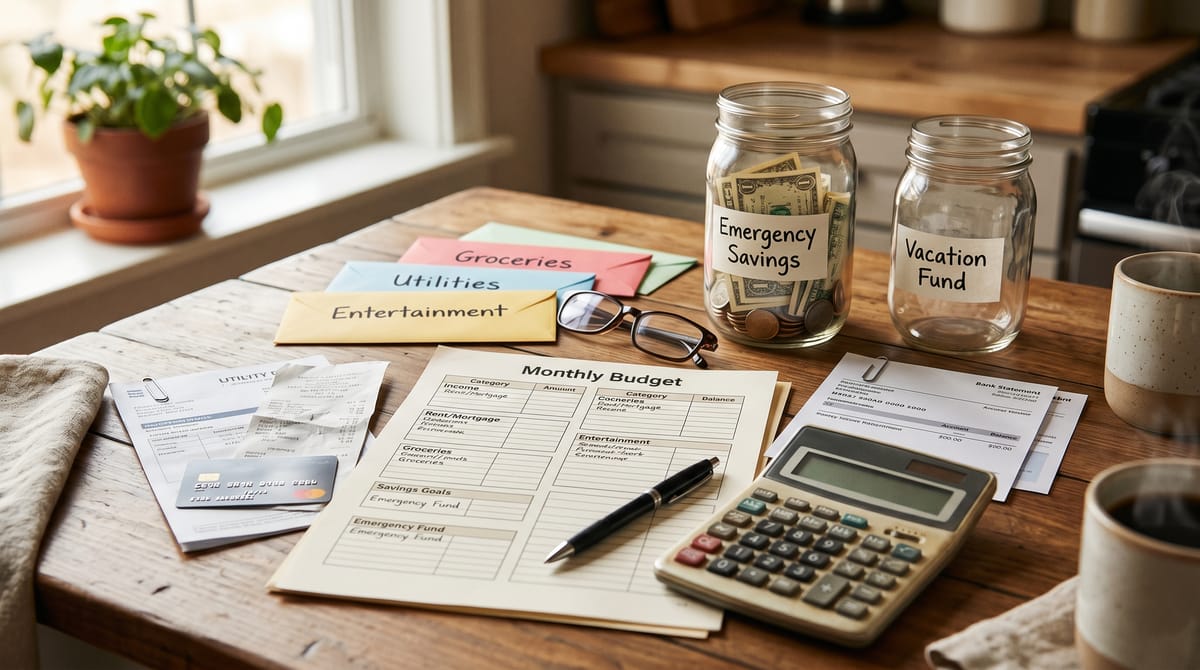
Personal budgeting is a monthly plan that tells every dollar where to go before the month begins. It helps you see income, spending, and savings clearly, which makes debt reduction and emergency planning much easier.
Key Takeaways
- A budget is a written monthly plan that shows what you make, what you spend, and where you can save.
- Starting with bills, pay stubs, income, and expenses makes the budgeting math visible and actionable.
- Inflation and rising prices make budgeting more important; the Federal Reserve said inflation and prices were the top financial challenge for 37% of adults in 2024.
- Emergency savings remain a gap for many households; Bankrate reports that 85% want at least three months of savings while only 46% have that much.
- Kadie Hamner's advanced TGD course is a structured next step for learners who want smart money habits, not just a quick checklist.
Table of Contents
- Understanding Personal Budget 101
- Key Concepts and Techniques
- Who Benefits from Learning Personal Budget 101?
- What Do Students Say?
- Is This Course Worth It?
- About the Creator
- Essential Budgeting Methods and Tools
- Watch Before You Enroll
- Frequently Asked Questions
- Conclusion
- Explore More on TGD
Understanding Personal Budget 101
Personal budgeting is a monthly decision system, not just a spreadsheet. According to consumer.gov, a budget is a written monthly plan for how you will spend your money, and it helps you see how much you make, how you spend, and where you may save. The same source recommends starting with bills and pay stubs, listing income and expenses, subtracting monthly expenses from monthly income, and adjusting if you spend more than you make. Without that visibility, even decent income can feel unpredictable.
That matters right now because the Federal Reserve’s 2024 SHED report found that 29% of adults said they were worse off than a year earlier, and inflation and prices were the most common financial challenge at 37%. Bankrate also reports that 54% of Americans are saving less for emergencies because of rising prices, while 85% say they need at least three months of emergency savings to feel comfortable. A budget helps close that gap by turning stress into a plan.
A good budget is not only defensive. It also gives you a way to prepare for debt payoff, short-term goals, and long-term milestones without guessing from month to month.
Want to Learn Personal Budget 101 Step by Step?
This course on The Great Discovery covers these fundamentals in a structured format.
The Great Discovery (TGD) is a global online course marketplace where creators publish courses and learners discover practical training across business, technology, wellness, and personal growth.
Key Concepts and Techniques
The strongest budgeting methods all do the same thing: they match income to obligations, priorities, and savings goals. The difference is how much structure and automation they give you.
Track net cash flow
Start with take-home pay, not gross pay. Then separate fixed costs, variable costs, and irregular costs so you can see where pressure comes from.
This makes it easier to spot leaks, such as recurring subscriptions or food spending that quietly outpaces your plan.
Use zero-based or priority-based allocation
Zero-based budgeting assigns every dollar a job. That might mean rent, groceries, debt, savings, and a small buffer all get assigned before discretionary spending begins.
For people who like clear rules, this method prevents vague leftover-money decisions.
Create sinking funds for irregular expenses
Annual insurance, holiday travel, car repairs, and school fees are predictable even when they do not happen monthly. Sinking funds break those costs into smaller pieces so they do not surprise you.
This is one of the simplest ways to keep a budget from collapsing when a non-monthly bill arrives.
Review and adjust weekly
A budget is a living system. Weekly check-ins help you compare the plan to actual spending while there is still time to adjust.
That rhythm also makes it easier to automate transfers and catch overspending early.
Who Benefits from Learning Personal Budget 101?
This topic helps anyone who wants more control over monthly money decisions, but it is especially useful for people who need a repeatable system. The course’s Money and Finances and Coaching categories, plus its Advanced level, suggest a learner who wants structure, not just a quick tip list.
People whose money disappears before month end
If you know your income but still cannot explain where the month went, budgeting gives you the missing map. The Great Discovery course is a practical next step if you want a guided way to turn scattered spending into a clearer plan.
Households feeling the pressure of higher prices
The Federal Reserve said inflation and prices were the most common financial challenge for 37% of adults in 2024. A budget helps you protect essentials first and avoid treating every expense as equally urgent.
People rebuilding emergency savings or paying down debt
According to the CFPB, budgeting is a key step for handling debt and working toward goals like emergencies, a car, a house down payment, or retirement. Bankrate’s 2026 report shows why that matters: 85% of Americans say they need at least three months of emergency savings to feel comfortable, but only 46% have that much.
Coaches, creators, and helpers teaching money habits
If you guide other people, you need a framework that explains budgeting without shame. Kadie Hamner’s course is useful for that kind of learner because the course description centers on helping people build smart money habits.
What Do Students Say?
This course is new to the marketplace and hasn't collected reviews yet. Check back after launch for student feedback.
Is This Course Worth It?
Yes, if you want a structured budgeting course that turns money basics into habits.
It is best for learners who already understand the idea of a budget and want a more deliberate system for applying it month after month. The advanced skill level suggests a course that expects some readiness to act, not just browse.
It is not the best fit for someone who wants lots of public learner feedback before choosing a course. It is also a weaker match if you need a very gentle introduction from zero.
As a next step on TGD, it is strongest when you want practical budgeting guidance that connects directly to smart money habits and consistent execution.
About the Creator
Kadie Hamner describes her work as helping people build smart money habits, and that focus matches this course closely.
Creator stats:
Courses created: 2
Total learners: 0
Average rating: 0.0
Public profile data is still sparse, so there is not much review history to evaluate yet. You can view the creator page here: Kadie Hamner on The Great Discovery.
Essential Budgeting Methods and Tools
These budgeting methods are useful because they solve different parts of the same problem: income, timing, irregular costs, and behavior. Use the table below as a quick reference when deciding which method fits your household.
| Method | How It Works | Best Use |
|---|---|---|
| Zero-based budget | Assign every dollar a job before the month starts. | Best for tight control and clear priorities. |
| 50/30/20 rule | Split income into needs, wants, and savings/debt. | Best for a simple, flexible starting framework. |
| Envelope method | Limit categories with cash or digital envelopes. | Best for discretionary overspending. |
| Sinking funds | Set aside money for irregular but expected expenses. | Best for insurance, repairs, travel, and annual bills. |
| Cash-flow calendar | Align bill due dates with paydays and deposit timing. | Best for avoiding short-term timing gaps. |
These methods are not rivals. They are tools, and the right course helps you choose the one that fits your income pattern and habits.
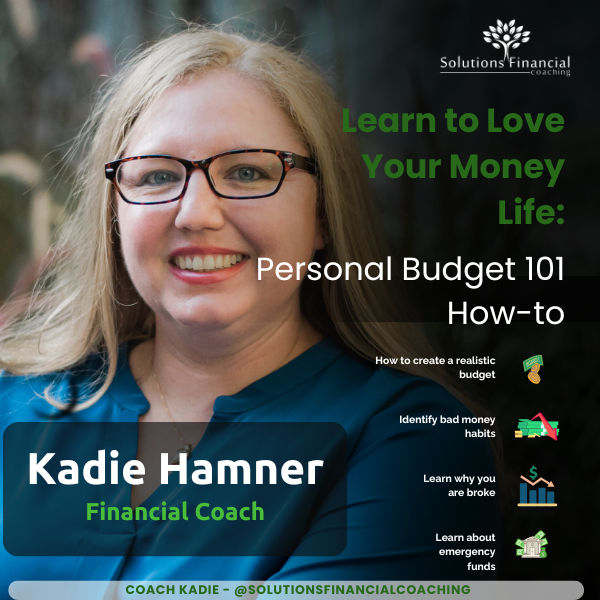
Master Personal Budget 101 with Expert Guidance
Kadie Hamner's course takes the methods you just saw and turns them into a repeatable routine for building smart money habits. If you want a structured path instead of piecing together tips, this is the logical next step.
Enroll in Learn to Love Your Money Life: Personal Budget 101 How-to →
Watch Before You Enroll
This short video explains how affiliates can earn by sharing courses they believe in on The Great Discovery.
Learn how to become an affiliate on The Great Discovery — the best affiliate program for course creators and marketers in 2026. Start earning commissions by sharing courses you believe in.
Frequently Asked Questions
These are the questions people usually ask when they search for budgeting help. The answers below focus on practical steps, not theory.
What is a personal budget?
A personal budget is a written monthly plan for your money. According to consumer.gov, it helps you see how much you make, how you spend, and where you may save.
How do I start a budget from scratch?
Start by gathering bills and pay stubs, then list your income and expenses. consumer.gov recommends subtracting monthly expenses from monthly income and adjusting if you are spending more than you make.
What is the best budgeting method for beginners?
The best method is the one you will actually use. Many beginners start with a simple framework like 50/30/20 or a zero-based budget because both make tradeoffs easy to see.
How do emergency savings fit into a budget?
Emergency savings should be treated like a regular goal, not an afterthought. The CFPB says budgeting helps people work toward emergency funds, and Bankrate reports that only 46% of Americans have three months of emergency savings even though 85% say they need that much to feel comfortable.
Why is budgeting harder when prices rise?
Inflation shrinks what each dollar can buy, so the same income has to cover more ground. The Federal Reserve found that inflation and prices were the most common financial challenge for 37% of adults in 2024.
Is this TGD course good for someone who already knows the basics?
Yes, especially if that learner wants structure and habits rather than a beginner-only overview. The course is marked Advanced, which suggests it is better for people ready to apply budgeting more deliberately.
Ready to Go Deeper?
You've learned the fundamentals of personal budgeting, from cash flow to sinking funds to emergency savings. This course takes those ideas and turns them into a practical routine you can keep using.
Start Learning Personal Budget 101 on TGD →
Conclusion
Personal budgeting is the habit of assigning money before it disappears, and that simple habit can reduce stress fast. You have learned what a budget is, how to start one, why cash-flow timing matters, and how tools like sinking funds and emergency savings make the system more durable. It is the difference between reacting to every bill and running a plan that reflects your priorities. With inflation still pressuring households, budgeting is less about perfection and more about control. If you want a guided next step, Kadie Hamner's course on The Great Discovery is a practical place to continue: Start Learning Personal Budget 101 on TGD →
Explore More on TGD
Keep learning with related TGD categories, the homepage, and the creator page.
- Browse Money and Finances courses
- Browse Insurance courses
- Browse Coaching courses
- The Great Discovery homepage
- Kadie Hamner creator page
Share Your Knowledge on The Great Discovery
Join Kadie Hamner and hundreds of other creators sharing their expertise. Create and sell your own courses on TGD.