Preventing Dementia Naturally with George Dr Grant | TGD
Dementia prevention focuses on lowering modifiable risk through habits such as physical activity, blood pressure control, diabetes management, sleep, hearing care, and reduced tobacco and alcohol use. It does not guarantee prevention, but it can meaningfully reduce risk for many people.
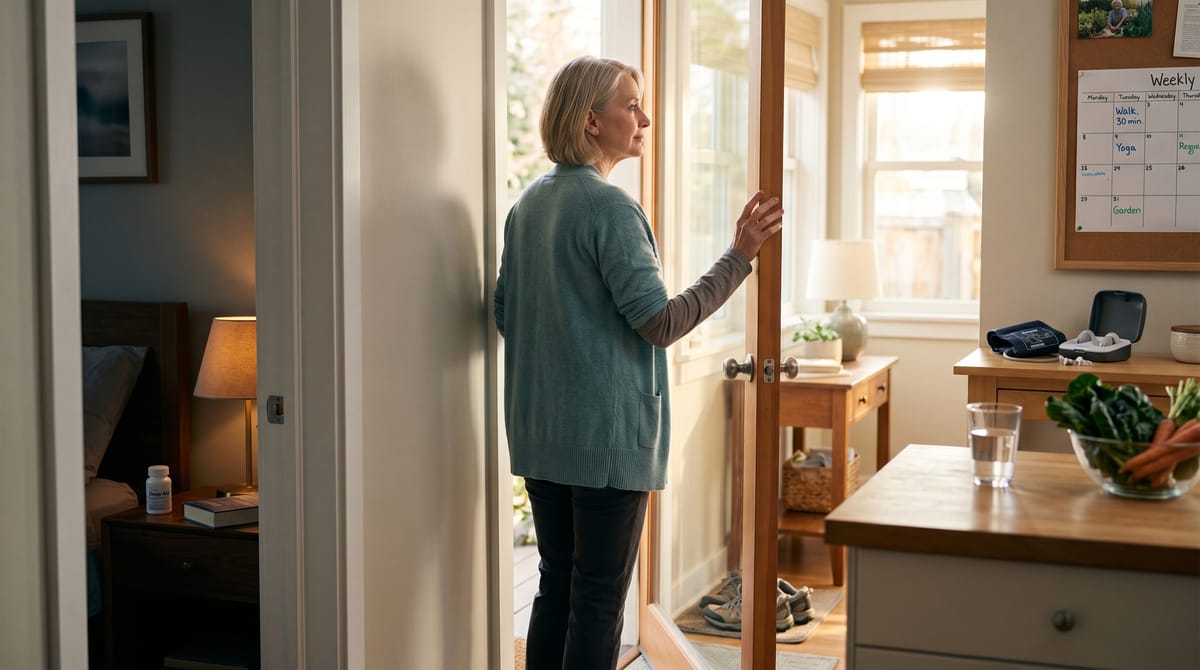
Dementia prevention focuses on lowering modifiable risk through habits such as physical activity, blood pressure control, diabetes management, sleep, hearing care, and reduced tobacco and alcohol use. It does not guarantee prevention, but it can meaningfully reduce risk for many people.
Key Takeaways
- Dementia risk is shaped by modifiable factors, not just genetics or age.
- According to WHO, 57 million people were living with dementia worldwide in 2021, and nearly 10 million new cases occur each year.
- According to CDC, nearly 45% of dementia cases may be prevented or delayed by addressing risk factors early.
- Prof. Dr. Grant’s course uses a prevention-first, self-care frame that fits readers who prefer a natural lifestyle approach.
- The course works best as a structured next step after you understand the main risk factors and what they mean in daily life.
Table of Contents
- Understanding Dementia Prevention
- Key Concepts and Techniques
- Who Benefits from Learning Dementia Prevention Naturally?
- What Do Students Say?
- Is This Course Worth It?
- About the Creator
- Essential Dementia Prevention Factors
- Watch Before You Enroll
- Frequently Asked Questions
- Conclusion
- Explore More on TGD
Understanding Dementia Prevention
Dementia prevention is mostly about lowering modifiable risk, not chasing a single miracle fix. According to WHO, 57 million people were living with dementia worldwide in 2021, and nearly 10 million new cases arise each year. WHO also says Alzheimer disease accounts for 60-70% of cases.
That scale matters because the burden is growing fast. According to NIH, 42% of Americans over 55 are projected to eventually develop dementia, and new U.S. cases are expected to double by 2060. According to CDC, nearly 45% of dementia cases may be prevented or delayed by addressing activity, blood pressure, diabetes, hearing loss, tobacco use, alcohol use, and related habits. The practical takeaway is that brain health is tied to the rest of the body, especially vascular, metabolic, and sensory health.
Want to Learn Preventing Dementia Naturally by Prof. Dr. George Dr Grant Step by Step?
This course on The Great Discovery covers these fundamentals in a more structured format.
The Great Discovery (TGD) is a global online course marketplace where creators publish courses and learners discover practical training across business, technology, wellness, and personal growth.
Key Concepts and Techniques
The most useful dementia-prevention ideas are the ones you can act on consistently. A prevention-first framework is not about one magic habit. It is about combining several small changes that support the brain over time.
Modifiable Risk Factors
Physical activity, smoking, alcohol use, diabetes, blood pressure, and hearing loss are all modifiable factors that public-health agencies highlight. When you improve several of them together, the long-term effect is usually stronger than focusing on only one.
Vascular and Metabolic Health
The brain depends on steady blood flow and stable metabolism. Uncontrolled blood pressure and blood sugar can damage small vessels over time, which is one reason heart health and brain health are closely linked.
Sensory Support
Hearing loss can increase cognitive load because the brain spends more energy decoding sound. Treating hearing issues can help preserve communication, social engagement, and daily mental reserve.
Prevention-First Self-Care
A prevention-first plan turns abstract concern into repeatable routines. That is where integrative lifestyle medicine is useful: it makes sleep, movement, stress management, and follow-through part of one coherent system rather than disconnected advice.
Who Benefits from Learning Dementia Prevention Naturally?
This topic matters most to people who want to reduce risk before symptoms become a crisis. The value of the subject changes by audience, but the core idea stays the same: learn the modifiable factors early, then act on them with consistency.
Adults with Family History or Rising Concern
If dementia runs in the family, modifiable risk factors become more important, not less. A course like Prof. Dr. Grant’s can help you turn broad prevention advice into a simple learning path without making the subject feel overwhelming.
People Managing Blood Pressure, Diabetes, or Hearing
These conditions overlap with brain-health risk because they affect vessels, inflammation, and daily functioning. The course is a sensible starting point for readers who want a prevention-first wellness frame and a natural-lifestyle perspective.
Caregivers and Adult Children
Caregivers need practical language for the next conversation with a parent or partner. A structured course can help them prioritize the most relevant habits without getting lost in panic or jargon.
Wellness Learners and Habit Builders
This group often wants to connect lifestyle medicine, self-care, and behavior change. The course fits that intersection because its description centers on detecting lifestyle issues responsible for dementia.
What Do Students Say?
This course is new to the marketplace and hasn't collected reviews yet. Check back after launch for student feedback.
Is This Course Worth It?
Yes, if you want a prevention-first introduction to dementia risk factors.
This course is best for readers who want to understand how lifestyle issues, self-care habits, and functional wellness choices may affect long-term brain health. It fits people who prefer a natural, educational framework and want to organize what they already know into one path.
It is not for anyone looking for diagnosis, treatment advice, or a substitute for medical care. It also is not the right choice if you want a highly technical clinical neurology curriculum.
As a next step on TGD, it makes sense when you want a guided entry point into a topic that public-health agencies say is shaped by modifiable risks. With no reviews yet, the topic fit matters more than social proof, and the course's prevention-first framing is the strongest reason to start here.
About the Creator
George Dr Grant is the creator behind this course, and the profile is still early-stage.
Courses created: 1
Total learners: 2
Average rating: 0.0
Preventing Dementia Naturally by Prof. Dr. George Dr Grant is listed with the creator bio: Bio For Prof. Dr. Grant.
Essential Dementia Prevention Factors
These are the practical levers most people can understand and act on first. The table below summarizes the main prevention factors and why they matter.
| Factor | What It Means | Why It Matters |
|---|---|---|
| Physical activity | Regular movement that raises heart rate and builds stamina. | Supports blood flow, insulin sensitivity, mood, and long-term vascular health. |
| Blood pressure | Keeping blood pressure in a healthy range over time. | Reduces vessel damage that can affect the brain and other organs. |
| Blood sugar | Managing glucose levels, especially when diabetes is present. | Helps protect small blood vessels and lowers metabolic strain. |
| Hearing | Identifying and treating hearing loss early. | Supports communication, social connection, and cognitive reserve. |
| Tobacco and alcohol | Reducing or avoiding substances that stress the nervous system and circulation. | Can lower inflammation, improve sleep, and reduce cumulative brain risk. |
| Sleep and recovery | Getting consistent rest and enough recovery time. | Supports memory consolidation, stress regulation, and daily focus. |
This course makes sense if you want a guided way to think about these factors together instead of treating them as isolated tips. The value is in learning how lifestyle risks connect and which ones are most worth addressing first.

Master Preventing Dementia Naturally with Expert Guidance
George Dr Grant's course covers all of these concepts and more, with structured lessons you can complete at your own pace.
Enroll in Preventing Dementia Naturally by Prof. Dr. George Dr Grant →
Watch Before You Enroll
Learn how to become an affiliate on The Great Discovery — the best affiliate program for course creators and marketers in 2026. Start earning commissions by sharing courses you believe in.
Frequently Asked Questions
What are the biggest modifiable dementia risk factors?
According to the CDC, common modifiable factors include lack of physical activity, uncontrolled diabetes, high blood pressure, hearing loss, tobacco use, and alcohol use. The most useful approach is to work on several of them together, not one at a time.
Can dementia be prevented naturally?
No method guarantees prevention, but WHO and CDC both emphasize that a large share of risk is tied to modifiable factors. Prevention is strongest when it combines movement, vascular care, hearing support, and healthier daily habits.
How does blood pressure affect dementia risk?
Blood pressure matters because long-term elevation can damage blood vessels that feed the brain. That is why blood-pressure control is one of the most important prevention levers in public-health guidance.
Does hearing loss increase dementia risk?
Yes. CDC lists hearing loss as a modifiable dementia risk factor, and treating it can help reduce cognitive load while improving social engagement and communication.
Who is this TGD course best for?
This course is best for people who want a prevention-first, self-care view of dementia risk and prefer learning through lifestyle medicine. It is a good fit when you want structure around a topic that can otherwise feel broad and stressful.
What should families focus on first?
Start with the highest-yield factors: physical activity, blood pressure, diabetes management, hearing, sleep, smoking, and alcohol use. Those are the areas public-health agencies most often connect to lower dementia risk.
Ready to Go Deeper?
You have learned the main dementia-prevention ideas and the lifestyle factors that matter most. This course takes you from understanding to a more structured path of application.
Start Learning Dementia Prevention on TGD →
Conclusion
Dementia prevention is mostly about reducing modifiable risk, especially through movement, vascular health, hearing support, sleep, and substance-use choices. WHO, NIH, and CDC all point to the same core lesson: this is a public-health issue shaped by everyday habits as much as by biology.
If you want a guided introduction to that prevention-first mindset, Preventing Dementia Naturally by Prof. Dr. George Dr Grant on The Great Discovery is a logical next step.
Explore More on TGD
If you want to keep learning, start with the broader categories around this topic, then visit the creator page and the TGD homepage.
- Mental/Emotional Health courses
- Habit Change courses
- Medical courses
- TGD Success courses
- The Great Discovery homepage
- George Dr Grant creator page
Share Your Knowledge on The Great Discovery
Join George Dr Grant and hundreds of other creators sharing their expertise. Create and sell your own courses on TGD.