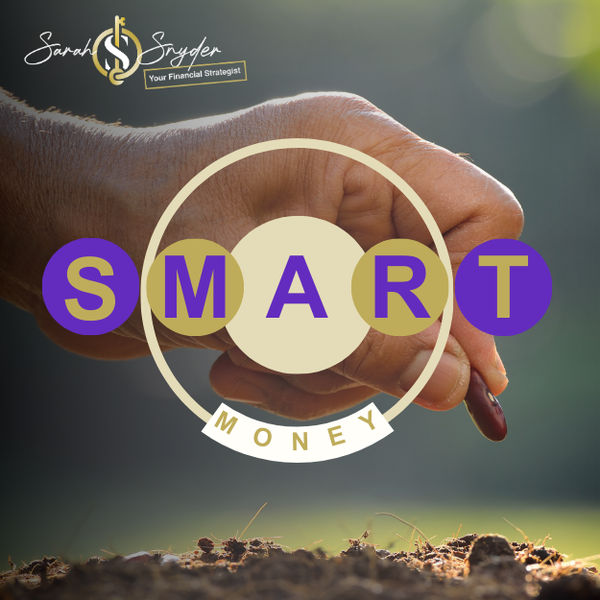
SMART Money for Financial Freedom with Sarah Snyder | TGD
SMART money means using a simple system to manage today's spending, build emergency savings, reduce high-cost debt, and automate long-term goals. It matters because financial well-being depends on control, shock absorption, progress, and choice, not on income alone.

SMART money means using a simple system to manage today's spending, build emergency savings, reduce high-cost debt, and automate long-term goals. It matters because financial well-being depends on control, shock absorption, progress, and choice, not on income alone.
Key Takeaways
- Financial well-being is about meeting obligations now, handling shocks, making progress, and keeping choices open.
- A monthly budget should leave a positive margin; otherwise every surprise pushes you backward.
- Emergency savings are the bridge between a short-term setback and a long-term debt spiral.
- Credit card payoff habits, cash buffers, and retirement consistency are better health signals than confidence alone.
- Sarah Snyder's basic-level TGD course gives beginners a structured way to turn these habits into action.
Table of Contents
- Understanding SMART Money for Financial Freedom
- Key Concepts and Techniques
- Who Benefits from Learning SMART Money?
- What Do Students Say?
- Is This Course Worth It?
- About the Creator
- Essential Money Management Indicators
- Watch Before You Enroll
- Frequently Asked Questions
- Conclusion
- Explore More on TGD
Understanding SMART Money for Financial Freedom
SMART money is a practical system for making financial decisions that leave room for today, tomorrow, and surprises. It is less about perfect spreadsheets and more about building habits that keep cash flow positive, savings growing, and debt from taking over.
According to the Consumer Financial Protection Bureau, financial well-being means meeting current and ongoing obligations, feeling secure about the future, and making choices that let you enjoy life. According to consumer.gov, a budget is a written monthly spending plan, and a negative result means you are spending more than you make. The Federal Reserve reported that 63% of adults could cover a $400 emergency expense in 2024, while FINRA found that only 46% of U.S. adults had enough savings for three months of expenses and just 35% of non-retirees felt on track for retirement. Those numbers show why this topic matters: many people are one surprise away from stress, so the real goal is resilience, not just frugality.
Want to Learn SMART Money for Financial Freedom Step by Step?
If you want a structured path through these fundamentals, this course on The Great Discovery turns the basics into a simple learning sequence.
The Great Discovery (TGD) is a global online course marketplace where creators publish courses and learners discover practical training across business, technology, wellness, and personal growth.
On TGD, short practical courses like this one are meant to help learners move from idea to action with a clear next step.
Key Concepts and Techniques
The simplest money systems work because they make the next good choice easier. The ideas below are useful whether you follow this course or build your own framework.
1. Positive monthly margin
Your monthly margin is the money left after essential spending. If income minus expenses is negative, the problem is not a lack of discipline in one category; the whole system needs a reset.
2. Emergency savings
An emergency fund is not an investment account. It is cash meant to absorb shocks like car repairs, medical bills, or a gap in income without forcing you to borrow.
3. Debt triage
Not all debt deserves the same attention at the same time. High-interest revolving balances usually need first priority because they drain cash flow and reduce flexibility.
4. Automation
Automatic transfers help money behavior happen before motivation fades. Once essentials are covered, automation can move funds toward savings or long-term goals without constant decision-making.
5. Financial health indicators
Cash reserves, credit card payment habits, and retirement consistency are simple indicators that reveal whether the plan is working. These measures matter because they show behavior, not just intent.
Who Benefits from Learning SMART Money?
This topic is most useful when you need a simple, repeatable money system. The basic-level structure makes it approachable for beginners and a solid refresher for people who want to tighten their habits.
First-time budgeters
If you are just getting started, the most important thing is not mastery. It is building a written plan that keeps you from overspending before the month runs out. Sarah Snyder's basic-level course is a clean starting point because it focuses on practical first steps.
Households recovering from a setback
Families facing a job change, medical bill, or other disruption need shock absorption before they chase bigger goals. The course's emphasis on balancing today's needs with tomorrow's goals fits that reality well.
Young adults and early-career earners
People early in their careers benefit from learning the habits that compound over time. This is where budgeting, emergency savings, and automatic saving matter most, because small habits now shape the next decade.
People who want a structured refresher
If you already know the language of budgeting but have not built a durable system, this course is a useful reset. Its Money and Finances and TGD Success context makes it a practical fit for learners who want a guided, basic-level framework rather than advanced theory.
What Do Students Say?
This course is new to the marketplace and hasn't collected reviews yet. Check back after launch for student feedback.
Is This Course Worth It?
Yes, if you want a beginner-friendly framework for getting control of your money.
It is best for learners who need a clear starting point: budgeting, emergency savings, and the basic habits behind financial stability. The course description promises practical strategies for balancing today's needs with tomorrow's goals, which fits that audience well.
It is not for someone looking for advanced investing theory, tax optimization, or a deep technical finance curriculum. The scope is intentionally foundational, and that is the right choice for a first-step course.
Because there are no reviews yet, the strongest signal is fit rather than social proof. Sarah Snyder's focused creator profile and the course's basic-level positioning suggest it is a sensible next step when you want structure more than noise.
About the Creator
Sarah Snyder focuses on helping people protect and build their wealth. She has created 2 courses for 17 learners and holds an average rating of 5.0. That small catalog suggests a focused creator profile with an early but positive track record.
Creator bio: Helping people protect and build their wealth.
- Courses created: 2
- Total learners: 17
- Average rating: 5.0
Visit Sarah Snyder's creator page
Essential Money Management Indicators
The best money systems are measured by a few simple indicators. The table below shows what to watch, why it matters, and the next action to take.
| Indicator | What It Measures | Why It Matters | Simple Next Step |
|---|---|---|---|
| Monthly margin | Income minus essential spending | A positive margin creates room for savings and goals | Track income and fixed costs for one full month |
| Emergency fund coverage | How many expenses cash reserves can cover | More coverage means fewer shocks turn into debt | Start with a small cash buffer and build steadily |
| Debt service burden | How much income goes to debt payments | Heavy debt payments reduce flexibility | Prioritize high-interest balances first |
| Credit card payoff habit | Whether balances are paid in full each month | Paying in full avoids revolving interest | Set autopay for the statement balance |
| Retirement consistency | Regular contributions to long-term savings | Consistency matters more than timing the market | Automate contributions after essentials are covered |
| Spending drift | Unplanned category creep over time | Small leaks can break an otherwise solid budget | Review categories monthly and cut the weakest leak |
These indicators translate the course theme into a usable checklist. If you can see margin, reserves, debt pressure, and automation clearly, you can usually tell whether your plan is improving or sliding backward.
Master SMART Money for Financial Freedom with Expert Guidance
Sarah Snyder's course covers the same core habits you just saw in the table: margin, savings, debt control, and consistent long-term planning. It turns those ideas into a structured path you can follow at your own pace.
Watch Before You Enroll
If you are curious about TGD's affiliate flow, this short video is a useful primer.
Learn how to become an affiliate on The Great Discovery — the best affiliate program for course creators and marketers in 2026. Start earning commissions by sharing courses you believe in.
Frequently Asked Questions
These are the questions most readers ask before they build a money system. The answers below focus on the practical basics.
What is financial well-being?
Financial well-being is the ability to meet current obligations, handle shocks, and keep moving toward goals. The CFPB frames it around day-to-day control, shock absorption, progress, and freedom of choice.
How do I make a budget that actually works?
Start with monthly income, list fixed and variable expenses, and subtract expenses from income. Consumer.gov says the result should be positive; if it is negative, the budget needs an immediate reset.
Why is an emergency fund so important?
Emergency savings keep a small surprise from becoming a debt event. The Federal Reserve found that 63% of adults could cover a $400 emergency in 2024, but FINRA found only 46% had enough savings for three months of expenses, so many households still need more cushion.
How much should I save before I invest?
Start with a buffer that can handle a modest repair or bill, then build toward several months of expenses. Once your basics are stable, automation can help you move money into longer-term goals without relying on willpower.
How can I avoid credit card balance creep?
Pay the statement balance in full when you can and avoid carrying everyday spending into revolving interest. FINRA reported that 53% of adults always pay credit cards in full each month, which means many people still have room to improve this habit.
Is this TGD course good for beginners?
Yes. It is labeled basic and sits in the Money and Finances and TGD Success categories, so it is designed as an accessible starting point. If you want a practical framework instead of advanced finance theory, this is a good fit.
Ready to Go Deeper?
You've learned the basics of SMART money: positive margin, emergency savings, debt control, and habit automation. This course is the natural next step if you want a guided path from understanding to practice.
Start Learning SMART Money for Financial Freedom on TGD →
Conclusion
SMART money is a practical approach to financial freedom: keep a positive monthly margin, build emergency savings, avoid expensive revolving debt, and automate the habits that protect your future. The latest U.S. data show why this matters, because many households can cover a small emergency but far fewer have enough cushion for a longer disruption. If you want a guided introduction to those first steps, Sarah Snyder's course on TGD is a logical next move. Start here: SMART Money for Financial Freedom.
Explore More on TGD
If you want to keep learning inside the same money-and-success lane, these TGD paths are the best next stops. The category pages, homepage, and creator profile give you more ways to browse practical learning.
- Money and Finances courses
- TGD Success courses
- SMART Money for Financial Freedom
- The Great Discovery homepage
- Sarah Snyder creator page
Share Your Knowledge on The Great Discovery
Join Sarah Snyder and hundreds of other creators sharing their expertise. Create and sell your own courses on TGD.