
Get a Life Balanced with Sheryl Nicholson | TGD
Work-life balance is the practice of managing time, energy, and boundaries so work supports your life instead of taking it over. The most durable approach uses small habits, clearer priorities, and repeatable routines that protect health and relationships.

Work-life balance is the practice of managing time, energy, and boundaries so work supports your life instead of taking it over. The most durable approach uses small habits, clearer priorities, and repeatable routines that protect health and relationships.
Key Takeaways
- Balance is built through boundaries and routines, not perfect daily symmetry.
- Small, repeatable habit changes are easier to maintain than major life overhauls.
- Good problem solving reduces stress by turning vague worry into a next action.
- The course uses 52 strategies, so you can improve one week at a time instead of trying to fix everything at once.
- Sheryl Nicholson's real-world experience as an entrepreneur, caregiver, and single mom gives the course a practical tone.
Table of Contents
- Understanding Work-Life Balance
- Key Concepts and Techniques
- Who Benefits from Learning Work-Life Balance?
- What Do Students Say?
- Is This Course Worth It?
- About the Creator
- Practical Life Balance Tools
- Watch Before You Enroll
- Frequently Asked Questions
- Conclusion
- Explore More on TGD
Understanding Work-Life Balance
Work-life balance is the practice of keeping work, rest, relationships, and personal responsibilities in healthy proportion. It matters because chronic spillover changes more than your calendar. It can reduce sleep quality, strain relationships, and make ordinary decisions feel heavier than they should. Balance is not a fixed 50/50 split. It is a system that keeps the most important parts of life visible.
People usually lose balance when work expands by default. That can happen through after-hours email, unclear priorities, or the belief that being constantly available is a sign of competence. The fix is rarely a dramatic life overhaul. It is usually a series of small corrections: deciding when work ends, protecting recovery time, and keeping your environment simple enough to support follow-through.
When balance improves, the benefits show up fast. You think more clearly, respond less reactively, and spend less effort negotiating with yourself all day. That is why life balance is best understood as a daily practice, not a one-time achievement.
Want to Learn Work-Life Balance Step by Step?
This course on The Great Discovery turns the core ideas into a structured weekly practice.
The Great Discovery (TGD) is a global online course marketplace where creators publish courses and learners discover practical training across business, technology, wellness, and personal growth.
Key Concepts and Techniques
Life balance improves when you build systems instead of relying on willpower alone. The most useful methods are small, concrete, and repeatable. They create more room for work, family, and recovery without pretending every day will look the same.
Boundary Setting
Boundaries define when work starts, when it ends, and what belongs to tomorrow. A clear shutdown ritual can stop one late task from becoming a late night, and it makes your next morning easier to start.
Weekly Habit Swaps
Small swaps are easier to keep than big resolutions. That is why a 52-strategy format works well: one change per week gives new behavior enough repetition to stick and enough space to feel doable.
Practical Problem Solving
Stress often grows when a problem sits in your head without a next action. A structured tool such as the Bullfight Formula helps turn vague worry into a clear decision, a call, a list, or a boundary.
Environment Design
Clutter competes for attention. When your surroundings are simpler, it is easier to follow through on priorities and less tempting to react to visual noise.
Shared Expectations
Balance is easier when the people around you know what matters. Family check-ins, memory days, and shared language around expectations can reduce friction and make home life feel less improvised.
Who Benefits from Learning Work-Life Balance?
This topic helps people who want steadier days, not just better intentions. It is useful for beginners and for anyone who needs practical structure more than abstract theory. The course sits in Life Balance, TGD Success, Mental/Emotional Health, and Self Improvement, so it is intentionally broad and approachable.
Busy Professionals
If your workday keeps spilling into evenings, this is a practical reset. The course is a strong starting point because it is basic, uses simple language, and gives you one step to apply each week.
Caregivers and Parents
Caregivers often need a system that works inside real constraints. Sheryl Nicholson's background as an entrepreneur, caregiver to elder parents, and single mom makes the recommendation especially credible for people juggling home and work demands.
People Rebuilding After Burnout
If you are tired of being all-or-nothing, a one-tip-a-week rhythm can help. The gradual pacing lowers resistance and makes change feel survivable rather than overwhelming.
Self-Improvement Readers
If you like actionable personal development, this course gives you a grounded entry point. It is especially useful when you want habits you can test immediately instead of a theory-heavy framework.
What Do Students Say?
This course is new to the marketplace and hasn't collected reviews yet. Check back after launch for student feedback.
Is This Course Worth It?
Yes, if you want a practical way to improve balance without trying to redesign your whole life at once.
It is best for beginners, busy professionals, caregivers, and self-improvement readers who learn well through small weekly changes. The 52-strategy structure fits people who want steady progress, not a complicated system.
It is not the right fit for someone looking for an advanced academic framework or a highly specialized productivity method. The value here is simplicity, lived experience, and repeatable habits.
This is a strong next step on TGD when you want a course that turns everyday balance problems into manageable actions.
About the Creator
Sheryl Nicholson brings a lived-in, practical voice to the subject. Her bio is The Power of Words Changes Lives, which fits a course built around habits, self-talk, and everyday behavior. The available profile data shows 2 courses created, 0 total learners, and a 0.0 average rating.
- Courses created: 2
- Total learners: 0
- Average rating: 0.0
View Sheryl Nicholson's creator page
Practical Life Balance Tools
These tools turn balance from an idea into something you can actually practice. Each one addresses a different source of stress, from overcommitment to clutter to unclear expectations.
| Challenge | What It Usually Means | Simple Next Move |
|---|---|---|
| Work keeps running late | Your boundaries are too vague | Set a hard stop and create a shutdown ritual |
| Constant mental worry | The problem is staying abstract | Write the next action, not the whole story |
| Home or desk feels heavy | Clutter is adding decision load | Remove one category of items or papers |
| Family expectations clash | Roles are not being named clearly | Use a short check-in to reset responsibilities |
| Goals never seem real | Success is defined too vaguely | Write your own definition of success in one sentence |
| Good intentions fade fast | The change is too large for one step | Replace one habit for one week before changing the next |
That is the same logic behind the course's 52-strategy format. The material works best when each concept becomes a small, usable behavior instead of a big promise.
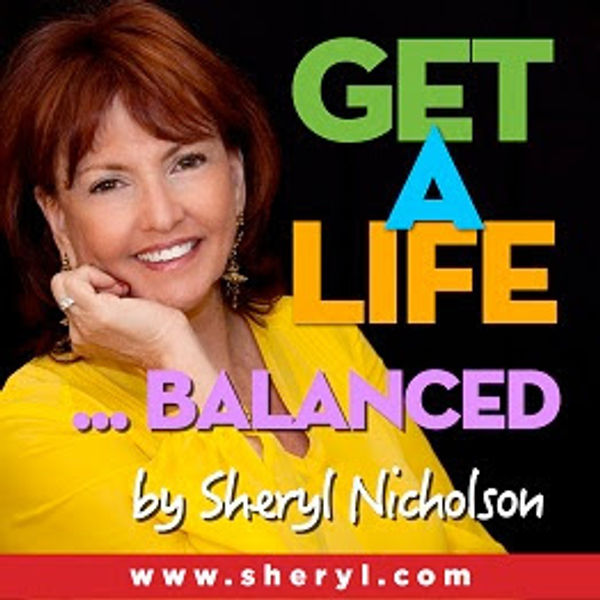
Master Work-Life Balance with Expert Guidance
Sheryl Nicholson's course expands the ideas above into 52 weekly strategies, including problem solving, personal success definitions, and practical home-life habits.
Enroll in Get a Life Balanced (One Tip a Week Changes Your Personal and Professional Life) →
Watch Before You Enroll
Watch this short affiliate primer before you choose a course. Learn how to become an affiliate on The Great Discovery — the best affiliate program for course creators and marketers in 2026. Start earning commissions by sharing courses you believe in.
Frequently Asked Questions
What is work-life balance?
Work-life balance is the ability to keep work, rest, relationships, and personal responsibilities in healthy proportion. It is not a fixed ratio. It changes with seasons of life and the demands in front of you.
How do I stop working all the time?
Start by defining a hard stop for the workday and removing the most common after-hours triggers. Then replace one draining habit with one better habit, such as a shutdown ritual or a next-day plan.
Why does clutter affect stress?
Clutter creates constant visual reminders of unfinished decisions. That background noise makes it harder to focus and can make home or office spaces feel more exhausting than they should.
What is the fastest way to improve balance?
Make one weekly change that reduces friction, such as simplifying a routine, cancelling an unnecessary obligation, or protecting one recovery block. Small changes are easier to keep than dramatic resets.
Who is Get a Life Balanced best for?
It is a good fit for beginners, busy professionals, caregivers, and self-improvement readers who want practical guidance. The course's basic skill level and 52-strategy format make it especially approachable.
Is this course suitable for beginners?
Yes. The structure is beginner-friendly and organized around one tip per week. That pacing helps readers apply the ideas without needing prior training.
Ready to Go Deeper?
You have learned the core habits that make life balance more realistic: clearer boundaries, smaller changes, and better problem solving. This course turns those ideas into practical weekly action.
Start Learning Work-Life Balance on TGD →
Conclusion
Work-life balance is not about perfectly dividing your day. It is about building repeatable habits that protect your energy, clarify your priorities, and keep one part of life from swallowing the rest. The ideas in this article point to the same core lesson: boundaries, small resets, problem solving, and a cleaner environment make it easier to live with intention. If you want a guided, beginner-friendly next step, Get a Life Balanced (One Tip a Week Changes Your Personal and Professional Life) on The Great Discovery is a natural next step.
Explore More on TGD
Keep exploring if you want more courses in the same family of topics or you want to see the creator's other work.
- Life Balance courses
- TGD Success courses
- Mental/Emotional Health courses
- Self Improvement courses
- The Great Discovery homepage
- Sheryl Nicholson creator page
Share Your Knowledge on The Great Discovery
Join Sheryl Nicholson and hundreds of other creators sharing their expertise. Create and sell your own courses on TGD.