
Teacher Burnout: Recognition, Prevention & Recovery with The Great Discovery
Teacher burnout is emotional exhaustion, cynicism, and reduced effectiveness caused by prolonged workplace stress, inadequate support, and overwhelming demands. It manifests as fatigue, detachment from students, and diminished sense of accomplishment—requiring early recognition and deliberate str...

Teacher burnout is emotional exhaustion, cynicism, and reduced effectiveness caused by prolonged workplace stress, inadequate support, and overwhelming demands. It manifests as fatigue, detachment from students, and diminished sense of accomplishment—requiring early recognition and deliberate stress-management strategies to restore teaching satisfaction.
Key Takeaways
- Teacher burnout directly impacts educator mental health, classroom engagement, and student learning outcomes.
- Warning signs include emotional exhaustion, increased cynicism, reduced effectiveness, and loss of joy in teaching.
- Common burnout sources are heavy workloads, insufficient autonomy, lack of institutional support, and emotional labor.
- The free TGD audit course guides teachers through structured self-assessment and action planning for relief.
- Early intervention with boundary-setting, community, and targeted stress techniques dramatically improves long-term teacher retention.
Table of Contents
- Understanding Teacher Burnout and Stress
- Key Concepts and Techniques for Managing Stress
- Who Benefits from Learning This?
- What Do Students Say?
- About the Creator
- Common Teacher Stressors and Burnout Indicators
- Watch Before You Enroll
- Frequently Asked Questions
- Conclusion
- Explore More on TGD
Understanding Teacher Burnout and Stress
Teacher burnout is a distinct psychological syndrome characterized by emotional exhaustion, depersonalization, and reduced personal accomplishment. It develops gradually as teachers face relentless workplace demands without adequate recovery, support, or autonomy.
Unlike temporary stress, burnout becomes a chronic condition that affects not just job satisfaction but physical health, relationships, and long-term career viability. Teachers experiencing burnout often report sleep disruption, increased illness, anxiety, and depression.
The stakes are high: burned-out teachers show reduced effectiveness in the classroom, lower student achievement, and are significantly more likely to leave the profession within 5 years. This creates a cycle where schools lose experienced educators, increasing stress on remaining staff.
Understanding burnout's root causes—excessive workload, lack of autonomy, insufficient institutional support, emotional labor, and misalignment between values and practice—is the first step toward prevention and recovery.
Want to Identify Where You Stand?
This free audit course on The Great Discovery guides you through a structured self-assessment of your stress and burnout risk, with actionable next steps for recovery.
Explore the Free Audit Course →
Key Concepts and Techniques for Managing Stress
Recognizing Emotional Exhaustion
Emotional exhaustion is the core component of burnout—feeling drained, depleted, and unable to give more. Teachers experiencing this feel physically and mentally fatigued by the end of the day and struggle to recover during weekends or breaks.
Early warning signs include persistent fatigue, difficulty concentrating, increased irritability, and the desire to escape work. Addressing exhaustion early, through boundary-setting and recovery practices, prevents it from crystallizing into full burnout.
Setting Healthy Boundaries
Teachers often struggle with boundaries because the work is relational and emotionally important. Setting boundaries means protecting time for personal recovery, limiting after-hours email checking, and declining non-essential committee work when capacity is full.
Healthy boundaries don't mean caring less—they mean sustaining your energy to care well. Teachers who set clear boundaries report higher job satisfaction and lower stress over time.
Building Professional Community and Support
Isolation amplifies burnout. Teachers who have strong collegial relationships, peer mentoring, and accessible administrative support recover more quickly from stress and are less likely to leave the profession.
Whether through formal professional learning communities, informal colleague networks, or mentorship relationships, social support at work is a proven resilience factor. Intentionally seeking or building these connections is a strategic stress-management tool.
Reframing Perfectionism
Many teachers hold themselves to impossible standards—perfect lesson plans, personalized feedback for every student, addressing every learning gap. This perfectionism is a major burnout driver.
Effective teachers recognize that "good enough" instruction with high relational warmth outperforms perfect execution delivered with resentment. Reframing from perfection to sustainable excellence preserves energy for what matters most.
Creating Recovery Rituals
Recovery doesn't happen automatically after work. Teachers who intentionally disconnect—through exercise, creative hobbies, time in nature, or social connection—show lower stress markers and better emotional regulation.
Recovery rituals are not luxuries; they are maintenance practices. Even 20 minutes of daily intentional recovery significantly reduces cumulative stress load.
Who Benefits from Learning This?
Early-Career Teachers (Years 1-3)
New teachers face a steep learning curve, high idealism, and often inadequate mentorship. Early-career burnout is common and fast-moving, but it's also preventable with self-awareness and early intervention.
This audit course helps new teachers identify which stressors are normal adjustment and which signal burnout. Catching burnout early can keep early-career teachers in the profession long enough to hit their stride.
Mid-Career Teachers Experiencing Fatigue
Mid-career teachers may have lost the passion they started with or are facing compounded responsibilities (increased class sizes, new curricula, administrative expectations). Burnout at this stage often looks like cynicism and detachment.
The TGD audit helps mid-career teachers reconnect with purpose, identify what's changed in their role, and create a realistic plan for recovery. Many find renewed satisfaction after intervention.
School Leaders and Administrators
Administrators can use burnout awareness to recognize stressed teachers earlier, allocate support effectively, and design school cultures that prevent burnout. Leaders who understand burnout are better positioned to retain experienced educators.
Teachers in High-Stress Contexts
Teachers in under-resourced schools, high-poverty communities, or schools with significant trauma exposure face compounded stressors. This audit helps identify which stressors are systemic (requiring systemic solutions) versus personal (where individual recovery practices help).
What Do Students Say?
This course is new to The Great Discovery marketplace and hasn't collected reviews yet. As educators begin their journey through the Teacher Stress/Burnout Audit, feedback will be shared here. Check back after launch to see how teachers report their results.
About the Creator
Lucy (The Connective) is a dynamic and excited facilitator of learning with deep experience supporting educators. With 4 courses created and over 12 learners engaged, Lucy brings a student-first philosophy to course design.
Creator Stats: 4 courses created | 12+ learners | 5.0/5.0 average rating
Lucy's approach focuses on practical, actionable frameworks that teachers can implement immediately. Learn more about Lucy's teaching philosophy and other courses at Lucy's Creator Profile on The Great Discovery.
Common Teacher Stressors and Burnout Indicators
| Stressor Category | Examples | Physical/Emotional Signs | Impact Level |
|---|---|---|---|
| Workload & Time Demands | Grading, lesson planning, administrative tasks, meetings | Chronic fatigue, sleep disruption, inability to disconnect | Critical |
| Student Behavior & Discipline | Disruptive students, parent complaints, unmanageable class sizes | Anxiety, irritability, feeling powerless | Critical |
| Autonomy & Voice | Curriculum mandates, top-down policies, lack of input | Cynicism, resentment, detachment from purpose | High |
| Institutional Support | Inadequate resources, admin inaccessibility, isolation | Feeling unsupported, doubt in competence, loneliness | High |
| Emotional Labor | Managing student trauma, conflict resolution, relationship-building | Emotional depletion, difficulty separating work from self | High |
| Salary & Recognition | Low compensation, lack of advancement, undervalued work | Resentment, financial stress, reduced motivation | Moderate |
Each of these stressor categories contributes to overall burnout risk. The Teacher Stress/Burnout Audit helps you assess which stressors are most active in your situation and prioritize interventions accordingly.
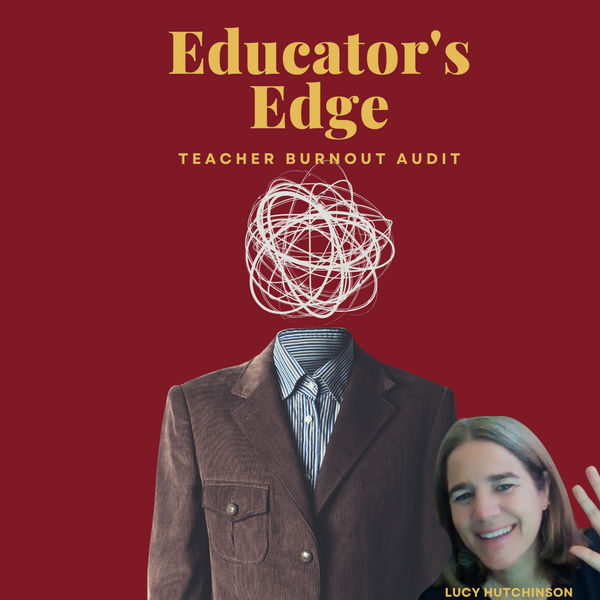
Assess Your Burnout Risk Today
Lucy's audit course walks you through each stressor category with targeted reflection questions. You'll leave with a clear picture of where you stand and actionable next steps—all in a self-paced format you can complete in your own time.
Enroll in the Teacher Stress/Burnout Audit →
Watch Before You Enroll
New to The Great Discovery? Learn how to become an affiliate and share courses you believe in—including this one.
Frequently Asked Questions
What is teacher burnout?
Teacher burnout is a syndrome of emotional exhaustion, depersonalization, and reduced personal accomplishment caused by chronic workplace stress. It goes beyond normal job stress—it's a persistent state where recovery doesn't happen naturally and the desire to teach diminishes significantly.
What are the warning signs of teacher burnout?
Early warning signs include persistent fatigue that doesn't improve with rest, emotional detachment from students, cynicism about teaching, reduced sense of accomplishment, difficulty concentrating, increased irritability, and loss of passion for work. Physical signs like frequent illness, sleep problems, and headaches often accompany emotional symptoms.
Can teacher burnout be reversed?
Yes, burnout can be addressed with early intervention. The key is recognizing it early and making deliberate changes—whether that's setting boundaries, seeking support, addressing specific stressors, or in some cases, seeking professional mental health support. The sooner you intervene, the faster recovery typically is.
How can I prevent burnout before it starts?
Prevention strategies include setting healthy work-life boundaries, building collegial support networks, creating daily recovery rituals, reframing perfectionism toward sustainable excellence, and regularly checking in with yourself about stress levels. Awareness is the first line of defense.
What's the difference between teacher stress and teacher burnout?
Stress is a normal response to high demands—it's often situational and resolves with recovery. Burnout is chronic stress that accumulates without adequate recovery, leading to emotional exhaustion and detachment. You can be stressed about a difficult unit and recover; burnout means feeling burned out even during lower-pressure periods.
Is this course really free?
Yes, the Teacher Stress/Burnout Audit is completely free on The Great Discovery. It's designed as an introductory audit to help teachers assess their situation and identify next steps. There are no hidden fees or upsell requirements.
Conclusion
Teacher burnout is a serious, treatable condition that begins with honest self-assessment. You've learned what burnout is, how to recognize its warning signs, and the major stressors that contribute to it. The next step is identifying where you stand—which is exactly what The Great Discovery's free audit course helps you do.
Lucy's Teacher Stress/Burnout Audit provides a structured pathway from recognition to action. You'll move from "I'm exhausted" to "here's specifically what's draining me, and here's what I can change." That clarity transforms burnout recovery from overwhelming to manageable.
Whether you're a new teacher noticing early warning signs or an experienced educator reconnecting with purpose, this free course is designed to meet you where you are and help you enjoy teaching again.
Ready to Recover?
You've learned what teacher burnout is and why early intervention matters. Now take the next step with a structured audit that identifies your specific burnout risk and creates an action plan. It's free, and you control the pace.
Start Your Burnout Audit on TGD →
Explore More on The Great Discovery
- More Self Improvement Courses
- Coaching & Personal Development Courses
- Academic Learning Courses
- More Courses by Lucy (The Connective)
- The Great Discovery Homepage
Share Your Knowledge on The Great Discovery
Join Lucy and hundreds of other educators sharing their expertise. Create and sell your own courses on TGD—reach teachers who need what you know.