
Yoga4Face Waterfall Meditation with Renee Isermann | TGD
Waterfall meditation is a guided mindfulness practice that uses the sound, motion, and symbolism of falling water to steady attention, calm stress, and create a simple reset ritual. It works by pairing sensory focus with breath awareness and intentional imagery.
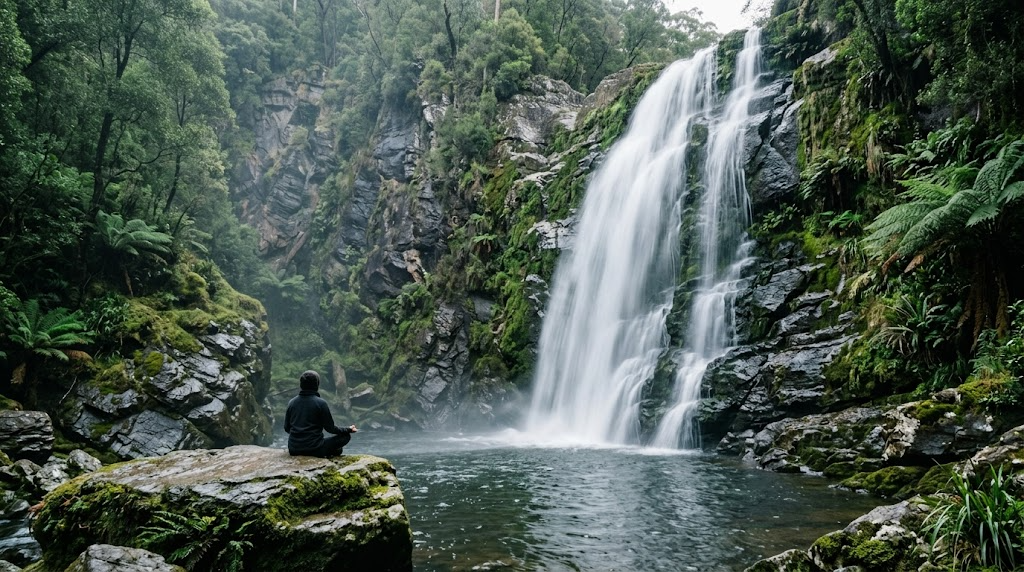
Waterfall meditation is a guided mindfulness practice that uses the sound, motion, and symbolism of falling water to steady attention, calm stress, and create a simple reset ritual. It works by pairing sensory focus with breath awareness and intentional imagery.
Key Takeaways
- Waterfall meditation gives the mind a single sensory anchor, which makes it easier to settle scattered attention.
- Breath awareness and body scanning turn the practice from a visual moment into a full-body reset.
- Nature imagery can make guided meditation feel less abstract and more repeatable for beginners.
- Short, guided sessions are often easier to maintain than silent practices when stress is already high.
- Yoga4Face Meditation unter dem Wasserfall adds a calm voice, music, and a cleansing theme for people who want structure.
Table of Contents
- Understanding Waterfall Meditation
- Key Concepts and Techniques
- Who Benefits from Learning Waterfall Meditation?
- What Do Students Say?
- Is This Course Worth It?
- About the Creator
- Core Elements of Waterfall Meditation
- Watch Before You Enroll
- Frequently Asked Questions
- Conclusion
- Explore More on TGD
Understanding Waterfall Meditation
Waterfall meditation is best understood as an attention anchor. Instead of forcing the mind to go blank, you give it a stable sensory target: the sound of water, the image of moving water, or the rhythm of your breath.
That matters because stress often makes the mind jump between thoughts faster than it can settle. A waterfall offers repetition, and repetition helps attention stop scanning for the next problem. The method is also intuitive. Most people already understand what water feels like symbolically: cleansing, release, and transition. That symbolic layer can make a session feel emotionally readable even before the body fully relaxes.
In practice, the value comes from consistency. A short session can become a dependable reset before sleep, after work, or any time you need to shift from overload to focus. The goal is not performance; it is clarity, steadiness, and a cleaner handoff from one state of mind to another. For people who dislike abstract meditation language, the waterfall gives the practice a shape they can follow immediately.
Want to Learn Waterfall Meditation Step by Step?
This course on The Great Discovery turns those basics into a gentle guided practice with voice, music, and a cleansing theme.
The Great Discovery (TGD) is a global online course marketplace where creators publish practical training and learners discover courses across business, technology, wellness, and personal growth.
Key Concepts and Techniques
The most useful waterfall meditation techniques are simple, repeatable, and easy to return to. The point is not to build a complicated ritual; it is to create a sequence your mind can recognize quickly.
Sensory Anchoring
Sensory anchoring means choosing one input the mind can follow without effort. In waterfall meditation, that is usually the sound of water or the image of motion.
This helps interrupt mental looping because your attention has something concrete to return to whenever it drifts.
Breath Pacing
Breath pacing adds rhythm to the experience. Slow, even breathing gives the practice structure and helps the session feel calmer than casual daydreaming.
A simple count, such as a longer exhale than inhale, is often enough to create a noticeable shift.
Cleansing Imagery
The waterfall image works as a metaphor for release. Many people use it to imagine tension, noise, or emotional residue washing away.
That symbolic layer matters because it turns the practice into a clear mental transition, not just a relaxation trick.
Evening Integration
Evening integration is the habit of pairing a guided meditation with the close of the day. It makes the practice easier to remember and easier to repeat.
The course description points in this direction by framing the session as gentle, guided, and easy to fit into daily life.
Who Benefits from Learning Waterfall Meditation?
This topic helps people who want a low-friction way to relax, reset, or focus. It is especially useful when you need a practice that feels calm on the first try.
Busy professionals
If your day leaves you mentally overstimulated, a waterfall practice can mark the end of work mode. The course is a sensible starting point for this group because it emphasizes a gentle voice, music, and a clear evening-friendly structure.
Creative thinkers
The course description explicitly links the practice to creative power, inner authority, and charisma. That makes it relevant for people who want a mental reset before writing, performing, presenting, or making decisions.
Beginners who dislike silent meditation
Silent meditation can feel vague if you are new to it. A guided, sound-rich session gives you more to follow, which reduces the chance that you quit before the habit forms.
Coaches and wellness facilitators
If you teach relaxation or self-regulation, this is a useful example of how a themed meditation can be paced and framed. The public course data also shows a small but focused creator profile: 2 courses, 17 learners, and a 5.0 average rating.
What Do Students Say?
The visible feedback is enthusiastic and focused on the atmosphere of the practice. The review signal is limited, but the tone is clear.
"Absolutely fabulous meditation! calm voice, sound of the waterfall behind, alongside soft and calm background music, great vibes to go deeper. Renée really has the ability to bring you through a powerful healing inner journey. This is totally worth it."— Gemma Serenity and Sascha Gorokhoff
The review highlights the same features the course description promises: a calm voice, a strong sonic backdrop, and a guided inner experience. That is a good sign for learners who want atmosphere and structure rather than a purely silent practice.
Is This Course Worth It?
Yes, if you want a gentle guided meditation that feels easy to enter.
It is best for learners who want a calming reset, enjoy sound-led experiences, and prefer a practice that feels structured without being heavy. The course also fits people drawn to evening routines and symbolic cleansing.
It is not the best fit for someone looking for academic meditation theory, a silent retreat style session, or a clinical program with measurable therapeutic claims. If you want a softer entry point into meditation, that distinction matters.
The strongest case for this course is its combination of clear theme, gentle delivery, and small-but-positive public signals: one visible review, a 5.0 average rating in the course data, and a creator profile with 2 courses and 17 learners. That is enough to make it a reasonable next step when the waterfall metaphor already resonates.
About the Creator
Renee Ambarees Isermann is the creator behind Yoga4Face and Your Smile Key. Her public profile shows 2 courses, 17 total learners, and a 5.0 average rating.
Courses created: 2
Total learners: 17
Average rating: 5.0
Creator bio: Back2Paradise • Yoga4Face® • Your Smile Key.
See her creator page: Renee Ambarees Isermann on TGD.
Core Elements of Waterfall Meditation
These elements explain why waterfall meditation feels soothing and repeatable. When combined, they turn a simple image into a structured practice.
| Element | What It Does | How to Use It |
|---|---|---|
| Waterfall sound | Gives attention a steady auditory anchor | Listen for the repeat pattern instead of chasing every thought |
| Breath pacing | Slows the pace of the session | Use an even inhale and a slightly longer exhale |
| Body scan | Finds tension that needs release | Move attention from the jaw to the shoulders, chest, and hands |
| Cleansing imagery | Helps the mind symbolize letting go | Imagine stress washing away with the water |
| Closing intention | Connects the practice to real life | Choose one word such as calm, clear, or present |
This course appears to bundle those elements into one guided session, which is helpful if you want a ready-made practice rather than building your own sequence from scratch.

Master Waterfall Meditation with Expert Guidance
Renee Ambarees Isermann's course brings the sound, pacing, and cleansing imagery together in a calm guided format, so you can experience the practice instead of piecing it together yourself.
Enroll in Yoga4Face Meditation unter dem Wasserfall →
Watch Before You Enroll
Watch this short video overview to understand the main ideas behind Yoga4Face Meditation unter dem Wasserfall before you enroll.
This video introduces Yoga4Face Meditation unter dem Wasserfall and previews daily cleansing: Releases energetic blockages and clarifies your mind.
Frequently Asked Questions
Most questions about waterfall meditation focus on how it works, how to start, and whether the structure is beginner-friendly.
What is waterfall meditation?
Waterfall meditation is a guided practice that uses the sound and imagery of moving water to help attention settle. It often combines breath awareness, visualization, and a simple closing intention.
How does waterfall meditation help focus?
A repeating sensory cue gives the mind fewer places to wander. The waterfall sound or image acts like an anchor, which makes it easier to return to the present moment.
Is waterfall meditation good for beginners?
Yes. Beginners often find it easier than silent meditation because there is something concrete to follow. You can keep the session short and focus on breathing rather than trying to empty the mind.
How long should a waterfall meditation session be?
There is no fixed length, but short sessions are often the easiest to sustain. A few calm minutes can be enough to reset your attention when the practice is used consistently.
What should you focus on during a waterfall meditation?
Focus on one anchor at a time: the waterfall sound, your breath, or the feeling of release in your body. If your mind drifts, return to the anchor without judging the distraction.
Who is the Yoga4Face Meditation unter dem Wasserfall course best for?
It is best for people who want a gentle, guided, sound-rich meditation with a cleansing theme. The public course data shows one visible review, a 5.0 average rating, and a small creator catalog with 2 courses and 17 learners.
Ready to Go Deeper?
You have the core idea now: waterfall meditation works because it gives attention a calm place to land. This course turns that insight into a guided practice you can revisit whenever you need a reset.
Start Learning Waterfall Meditation on TGD →
Conclusion
Waterfall meditation is a practical way to calm attention, reduce mental noise, and create a repeatable reset ritual. The key ideas are simple: use a sensory anchor, pace the breath, and let the waterfall image stand for release. That is why the practice works well for beginners and for anyone who wants a low-friction evening routine.
If you want a guided version with voice, music, and a clear cleansing frame, Yoga4Face Meditation unter dem Wasserfall is a natural next step on The Great Discovery.
Explore More on TGD
If this topic resonates, keep exploring the broader wellness and self-improvement catalog on TGD. Since no related courses were provided, these category and creator links are the best starting points.
- Self Improvement courses
- Stress Management courses
- Mindset courses
- The Great Discovery homepage
- Renee Ambarees Isermann creator page
Share Your Knowledge on The Great Discovery
Join Renee Ambarees Isermann and hundreds of other creators sharing their expertise. Create and sell your own courses on TGD.