
Create a Hollywood Career with Geoffrey Whitt | TGD
Creating a career in Hollywood means treating filmmaking like a business: identify a specific audience, package the story with strong pitch materials, build a clear distribution plan, and keep iterating. Alexandra Boylan's path shows that persistence and craft still matter.

Creating a career in Hollywood means treating filmmaking like a business: identify a specific audience, package the story with strong pitch materials, build a clear distribution plan, and keep iterating. Alexandra Boylan's path shows that persistence and craft still matter.
Key Takeaways
- Hollywood careers are built around audience fit, packaging, and distribution, not just raw talent.
- According to USC Annenberg, women were 21.7% of directors and 12.9% of screenwriters on popular movies in 2024, so independent career strategy still matters.
- According to the Center for the Study of Women in Television & Film, U.S. festivals screened or streamed almost twice as many narrative features directed by men as by women in 2024-25.
- Film posters, pitch decks, trailers, and first-10-minute storytelling all shape whether distributors and viewers keep paying attention.
- The Great Discovery course is a strong next step if you want a practical, Christian-worldview-friendly roadmap for building a film career anywhere.
Table of Contents
- Understanding Hollywood Career Strategy
- Key Concepts and Techniques
- Who Benefits from Learning Hollywood Career Strategy?
- What Do Students Say?
- Is This Course Worth It?
- About the Creator
- Essential Film-Career Skills
- Watch Before You Enroll
- Frequently Asked Questions
- Conclusion
- Explore More on TGD
Understanding Hollywood Career Strategy
A Hollywood career is a combination of creative work and business decisions. Talent matters, but so do audience positioning, packaging, and distribution choices that help a project move from idea to screen. According to USC Annenberg, women were only 21.7% of directors and 12.9% of screenwriters across popular movies in 2024, while 27% of producers were women. That gap shows why many filmmakers cannot rely on a fixed pipeline or existing gatekeepers.
According to the Center for the Study of Women in Television & Film, U.S. festivals in 2024-25 screened or streamed almost twice as many narrative features directed by men as by women, and women were 15% of composers on independent features. In practical terms, that means market access is uneven and visibility has to be earned. The most durable strategy is to define a clear audience, shape a marketable story, and use materials that make the project easy to understand quickly. A film career grows faster when the creator learns to think like both artist and strategist.
Want to Learn Hollywood Career Strategy Step by Step?
If you want a structured path through the fundamentals you just read about, this course organizes them into a practical learning sequence on The Great Discovery.
The Great Discovery (TGD) is a global online course marketplace where creators publish courses and learners discover practical training across business, technology, wellness, and personal growth.
Key Concepts and Techniques
The practical side of a film career becomes easier when you break it into repeatable skills. These concepts matter because they help you make better creative choices and explain your work to buyers, collaborators, and audiences.
1. Audience targeting
A specific audience is easier to reach, easier to market to, and easier to serve with the right tone, poster, and trailer. That matters in an industry where USC Annenberg found women were only 21.7% of directors and 12.9% of screenwriters in 2024, so many creators need to build a clearer path on their own.
2. Marketable story packaging
A strong story still needs clear packaging. The FAFF mentorship material stresses marketable storytelling and a professional pitch deck because buyers need to understand the project quickly.
3. Poster and trailer discipline
According to FAFF Association, the poster is often the most important sales asset, and the first 10 minutes can decide whether distributors and viewers stay engaged. That means your visual and opening choices are part of the business plan.
4. Distribution thinking
Distribution is not a final step you add later. The FAFF mentorship page emphasizes learning how to pitch distributors, market the film, and sell the movie, which makes distribution a creative constraint from the beginning. The Center for the Study of Women in Television & Film reported that women were 15% of composers on independent features in 2024-25, which is another reminder that creators often have to design their own route to visibility.
5. Perseverance and repeat execution
The Great Discovery course page frames Boylan's story as moving from hardship to production success through perseverance, a strong work ethic, and deep connection to the work. That mindset matters because careers are usually built by sustained output, not a single breakthrough.
Who Benefits from Learning Hollywood Career Strategy?
Because the course sits in TGD Success and Podcasting, it suits learners who like practical interviews and business-minded creative guidance. It is strongest for people who want inspiration plus a plan.
Aspiring filmmakers and producers
If you want to make films or lead projects, you need more than ideas. The FAFF mentorship framework points toward marketable stories, pitch decks, funding, and a distribution plan, which are core producer skills.
This TGD course is a sensible starting point if you want a Christian-worldview-friendly perspective on building momentum in a difficult industry.
Writers and storytellers
Writers benefit when they learn how their story will be sold. Audience targeting and poster thinking change the way you shape a premise, because the script has to communicate value quickly.
Faith-and-family creators
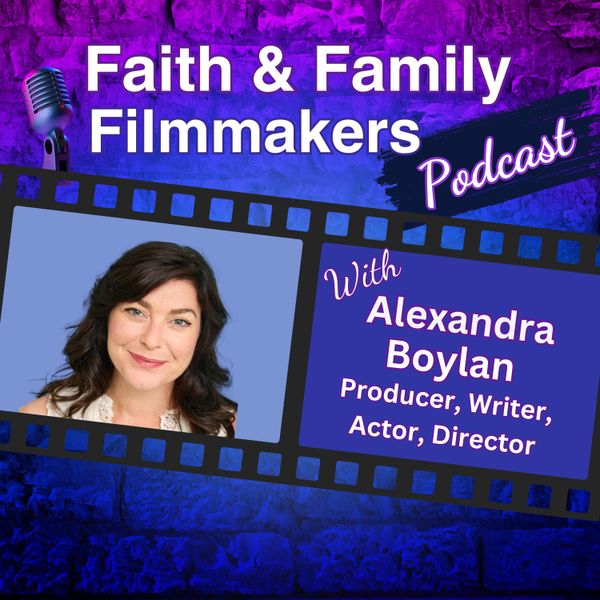
The creator context, Faith & Family Filmmakers Podcast, signals a community that cares about purpose as well as craft. If you want to make work that reflects your worldview, this course can help you connect meaning with marketability.
Career changers and self-starters
If you are starting late or changing fields, the lesson is portable: define the audience, build the assets, and keep going. Boylan's story makes the course especially relevant for people who need permissionless progress.
What Do Students Say?
This course is new to the marketplace and hasn't collected reviews yet. Check back after launch for student feedback.
Is This Course Worth It?
Yes, if you want a practical framework for building a film career instead of waiting for industry permission.
It is best for aspiring filmmakers, writers, and producers who want to understand audience targeting, packaging, and distribution in one place.
It is not for people who want film theory only, or for anyone looking for broad entertainment-industry commentary without an application plan.
As a next step on TGD, it makes the most sense when you already know you want to create work that can be seen, understood, and sold. The course fits learners who want an actionable bridge between creative calling and professional execution.
About the Creator
Geoffrey Whitt publishes the Faith & Family Filmmakers Podcast, which interviews screenwriters, actors, directors, producers, scorers, agents, and distributors. That background fits a course about practical film-career building because it comes from ongoing conversations with working people in the field.
Courses created: 1
Total learners: 0
Average rating: 0.0
The profile data is sparse, so the podcast brand is the clearest signal available on the page.
Visit Geoffrey Whitt's creator page
Essential Film-Career Skills
These skills help you think like a filmmaker and a marketer at the same time. They are useful whether you are writing, producing, or preparing a pitch.
| Skill | What It Does | Why It Matters |
|---|---|---|
| Audience targeting | Defines the specific viewer most likely to care about the project. | Makes posters, trailers, and outreach sharper and easier to evaluate. |
| Pitch deck | Summarizes the story, tone, and commercial promise in one package. | Helps collaborators and distributors understand the project quickly. |
| Poster design | Creates the first visual promise of the film. | According to FAFF Association, it is often the most important sales asset. |
| Opening sequence | Sets tone, stakes, and viewer expectations early. | Boylan says the first 10 minutes can be decisive for distributors and viewers. |
| Distribution plan | Maps how the completed project will reach an audience. | Prevents the film from ending at completion instead of finding viewers. |
| Work ethic | Keeps the creator moving through setbacks and revisions. | The Great Discovery course page frames perseverance as part of the career path. |
These skills are exactly the kind of practical building blocks that turn a dream into a repeatable career. The course gives readers a structured way to think about them together instead of as isolated tasks.
Master Hollywood Career Strategy with Expert Guidance
By now you can see how audience focus, packaging, and distribution work together. Geoffrey Whitt's course brings those ideas into a structured format that connects craft, strategy, and career building.
Enroll in Create Your Own Career in Hollywood (or anywhere), with Alexandra Boylan →
Watch Before You Enroll
Learn how to become an affiliate on The Great Discovery — the best affiliate program for course creators and marketers in 2026. Start earning commissions by sharing courses you believe in.
Frequently Asked Questions
How do you build a career in Hollywood without connections?
You build it by creating work that is easy to understand, easy to package, and easy to share. According to FAFF Association, clear audience targeting, a strong poster, and a solid pitch deck help the right people see value fast.
Why does audience targeting matter in film marketing?
A specific audience gives you a clearer story to tell in your poster, trailer, and outreach. Boylan's advice to avoid trying to reach everybody reflects a basic marketing truth: broad messaging usually becomes weak messaging.
What should a film pitch deck include?
A pitch deck should show the story, tone, audience, and marketability in a compact visual format. The FAFF mentorship material points to pitch decks as part of learning how to fund, pitch, market, and sell a movie.
How important are the first 10 minutes of a film?
Very important. According to the FAFF Association interview, the first 10 minutes are often decisive for distributors and viewers because they quickly signal tone, quality, and relevance.
Is this TGD course useful if I want to work outside Hollywood?
Yes. The deeper lesson is portable: define your audience, package your work well, and build momentum through consistent execution. That framework applies in any market where creative work needs to find an audience.
What kind of learner is this TGD course best for?
It is best for people who want a practical, story-driven route into filmmaking career strategy. The course fits learners who want inspiration, industry context, and a more deliberate path to acting, producing, writing, or distribution conversations.
Ready to Go Deeper?
You have learned the core ideas behind Hollywood career strategy: audience clarity, packaging, and distribution. This course turns that understanding into a more practical next step on TGD.
Start Learning Hollywood Career Strategy on TGD →
Conclusion
Building a career in Hollywood is really about building a repeatable system. The most useful lessons are audience targeting, marketable packaging, and distribution planning, backed by persistence and a willingness to keep refining the work. Research from USC Annenberg and the Center for the Study of Women in Television & Film shows that access and visibility remain uneven, which makes self-directed strategy even more important.
If you want to move from understanding the industry to applying the ideas in a structured way, this TGD course is a logical next step. Explore the course here →
Explore More on TGD
If you want to keep learning, start with these related paths on The Great Discovery.
Share Your Knowledge on The Great Discovery
Join Geoffrey Whitt and hundreds of other creators sharing their expertise. Create and sell your own courses on TGD.