
Dining Etiquette with Ji Quandt Chan | TGD
Dining etiquette is the practical set of table manners, utensil habits, pacing, and guest-awareness that makes shared meals comfortable and respectful. It matters because meals are social and professional moments where small signals shape trust, confidence, and how others remember you.
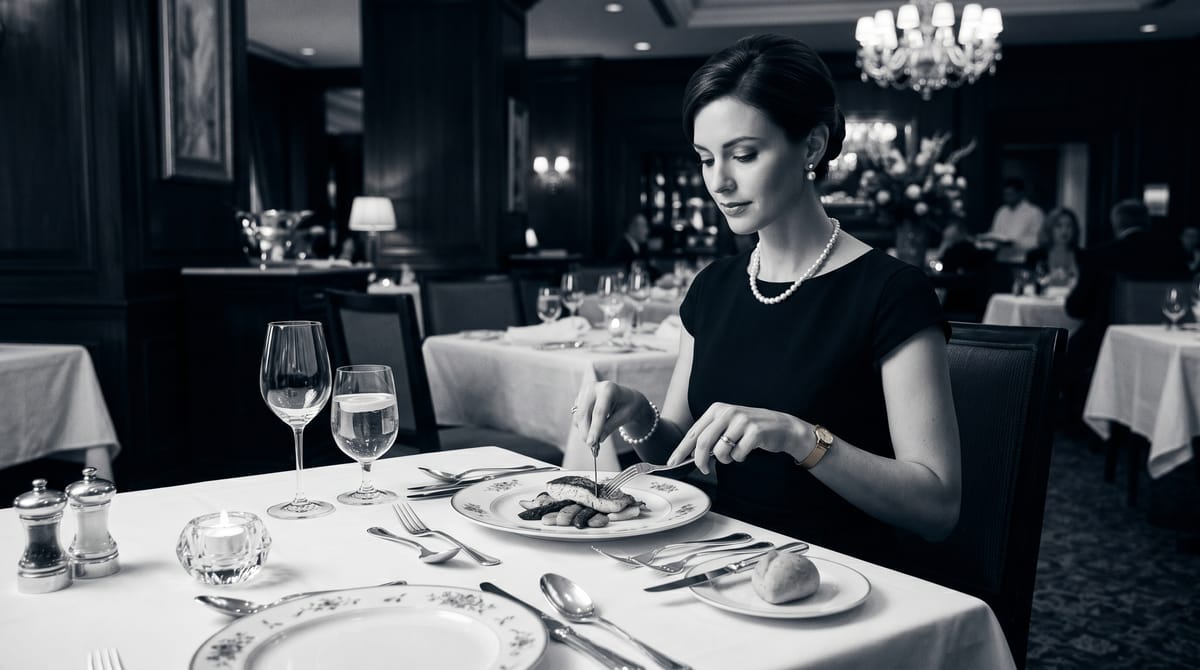
Dining etiquette is the practical set of table manners, utensil habits, pacing, and guest-awareness that makes shared meals comfortable and respectful. It matters because meals are social and professional moments where small signals shape trust, confidence, and how others remember you.
Key Takeaways
- Good dining etiquette covers table setting, serving behavior, utensil use, and thoughtful cleanup.
- Phones stay off the table, chewing stays closed-mouth, and pacing should match fellow diners.
- Business meals are relationship-building moments, so posture, toasting, and closing the meal well all matter.
- The course turns those basics into a step-by-step lesson path for formal dining situations.
- It also includes grooming and professional behavior, which helps the etiquette carry beyond the table.
Table of Contents
- Understanding Dining Etiquette
- Key Concepts and Techniques
- Who Benefits from Learning Dining Etiquette?
- What Do Students Say?
- Is This Course Worth It?
- About the Creator
- Essential Dining Etiquette Skills
- Watch Before You Enroll
- Frequently Asked Questions
- Conclusion
- Explore More on TGD
Understanding Dining Etiquette
Dining etiquette is not about being stiff or theatrical. It is the shared code that keeps meals smooth, respectful, and easy for everyone at the table.
According to the Emily Post Institute, meals are social events, and proper manners include setting the table, serving yourself and others, using utensils correctly, and cleaning up with consideration. That matters in modern life because eating out is still a major social activity. The National Restaurant Association projects $1.55 trillion in U.S. restaurant and foodservice sales and about 15.8 million jobs in 2026, which shows how central dining remains to everyday life and work. The topic also includes new dining patterns. Yelp Trends says searches for "solo dining" rose 271% and searches for "best place to eat alone" rose 150%, so etiquette now needs to work in both formal group settings and everyday solo meals.
Want to Learn Dining Etiquette Step by Step?
This course on The Great Discovery covers the core habits of formal dining in a structured format.
The Great Discovery (TGD) is a global online course marketplace where creators publish courses and learners discover practical training across business, technology, wellness, and personal growth.
Key Concepts and Techniques
Strong dining etiquette becomes easy when you break it into a few repeatable habits. These concepts cover the mechanics of a meal and the social signals that come with it.
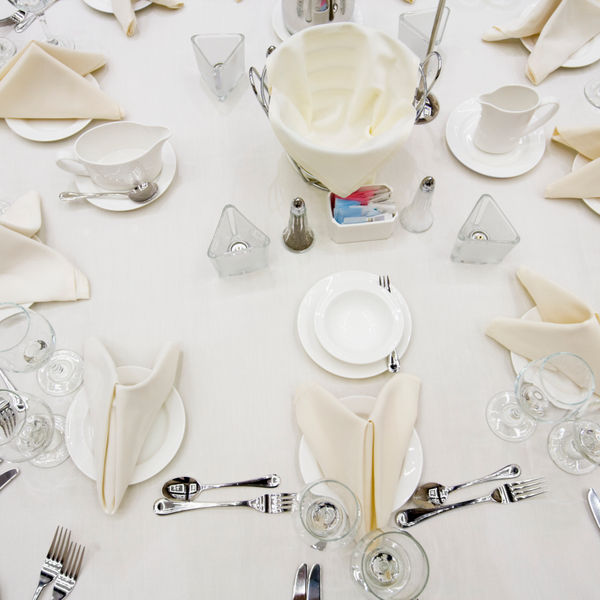
1. Place Settings and Utensil Order
Formal dining often uses a simple outside-in pattern for utensils. That lets you move through courses without guessing and keeps the meal steady for everyone else.
The course description emphasizes proper utensil use, which is the right foundation for readers who freeze when a table has multiple forks, spoons, or glasses.
2. Posture, Pace, and Presence
Good posture helps you look calm and attentive. Pacing matters too, because dining should move at roughly the same speed for everyone at the table.
Emily Post Institute specifically recommends pacing yourself with fellow diners, which is a small habit that prevents awkward waiting and makes a meal feel coordinated.
3. Napkin and Smartphone Discipline
Napkin use and phone discipline are easy wins. Put the phone away, keep it off the table, and use the napkin as part of normal table flow.
That keeps attention on the people present, which is especially important when meals are being used to build trust or host guests.
4. Business Meal Courtesy and Toasting
Business meals are not just about food. They are about relationships, tone, and how well you can make other people comfortable.
The course description highlights toasting and how to end a meal properly, which are the moments most people forget to practice until they matter.
5. Grooming and Professional Behavior
Dining etiquette extends beyond silverware. Grooming, composure, and professional behavior all influence how polished you appear in formal settings.
This is why the topic is useful for interviews, client dinners, ceremonies, and any event where your behavior becomes part of your reputation.
Who Benefits from Learning Dining Etiquette?
Anyone who eats with other people benefits from dining etiquette. Some groups need it more urgently because meals are part of their work, study, or social life.
Job Seekers and Early-Career Professionals
If you attend interviews, networking lunches, or client dinners, dining skills are part of your professional toolkit. A short, structured course is a practical starting point because it gives you the basics before a real meal tests them.
The Great Discovery course is a strong fit here because it focuses on place settings, utensils, posture, and professional behavior rather than vague theory.
Sales, Managers, and Client-Facing Teams
People who host clients or colleagues need dining etiquette that feels natural under pressure. The details matter because food is only part of the meeting; the real goal is trust and ease.
That is where a course like this helps. It gives a clear framework for handling formal settings without looking rehearsed.
Students and Young Adults
Students often know the social rules of casual meals but not the expectations of formal dining. Learning early keeps those moments from becoming stressful later.
The creator profile is compact, with one course and 10 total learners, which suggests a focused learning path rather than a sprawling catalog.
Solo Diners and Social Hosts
Solo diners still need good habits because restaurant culture is broader than group dining. Hosts also benefit, since they set the tone for everyone at the table.
Yelp Trends shows solo dining searches rising quickly, so etiquette now applies to both independent restaurant visits and shared occasions.
What Do Students Say?
This course is new to the marketplace and hasn't collected reviews yet. Check back after launch for student feedback.
Is This Course Worth It?
Yes, if you want a practical introduction to confident dining behavior.
It is best for people who want help with business meals, formal dinners, and the basics of table conduct. It also suits learners who want grooming and professional behavior included in the same lesson path.
It is not the right fit for someone looking for deep culinary training, hospitality operations, or a history-heavy etiquette survey. Those readers would want a broader or more specialized resource.
The course is a strong next step when you want a guided walkthrough of place settings, utensil use, posture, toasting, and ending a meal properly in one place.
About the Creator
Ji Quandt Chan is listed as the creator for this course, with a creator bio of "About HELP University".
That creator profile shows a small, focused catalog that centers on practical instruction. For learners, that can be useful when the goal is a direct lesson rather than a large course library.
- Courses created: 1
- Total learners: 10
- Average rating: 0.0
Visit the creator page on The Great Discovery
Essential Dining Etiquette Skills
The easiest way to learn dining etiquette is to study the common situations that repeat at almost every table. The table below turns those situations into a quick reference you can use before a formal meal.
| Situation | What Good Etiquette Looks Like | Why It Matters |
|---|---|---|
| Taking your seat | Wait for the host cue, place the napkin on your lap, and settle in calmly. | Sets a respectful tone before the meal even starts. |
| Using utensils | Work from the outside in and choose the utensil that matches the course. | Prevents confusion and makes formal dining feel familiar. |
| Using your phone | Keep the phone off the table and on silent or vibrate. | Shows that the people present have your full attention. |
| Eating pace | Match your pace to the rest of the table and take reasonable bites. | Helps the meal feel coordinated instead of rushed or awkward. |
| Toasting and closing | Toast briefly when appropriate, then end the meal with gratitude and composure. | Leaves the final impression polished and considerate. |
These are the same habits that show up in business meals, family celebrations, and formal events. The course expands each one into a practical lesson so you can use them with confidence.
Master Dining Etiquette with Expert Guidance
Ji Quandt Chan's course covers place settings, utensil use, posture, toasting, and the closing moments of a meal in a structured sequence. It is a useful next step if you want practice that translates to business dinners and formal events.
Watch Before You Enroll
This short video explains how TGD affiliate sharing works. It is useful if you want to understand the platform flow before you click through.
Learn how to become an affiliate on The Great Discovery — the best affiliate program for course creators and marketers in 2026. Start earning commissions by sharing courses you believe in.
Frequently Asked Questions
These are the most common dining etiquette questions readers ask before a formal meal. They focus on practical habits that matter at the table and in business settings.
What is dining etiquette?
Dining etiquette is the set of behaviors that help meals feel comfortable, respectful, and organized. Emily Post Institute describes it as part of the social structure of meals, including table setting, utensil use, serving behavior, and considerate cleanup.
What are the most important table manners to remember?
Keep your phone away from the table, chew with your mouth closed, use utensils correctly, and pace yourself with the people around you. Those habits are simple, but they do most of the work in a formal setting.
How should you use utensils at a formal dinner?
Use the outside utensils first and move inward as the meal progresses. That pattern reduces hesitation and makes you look comfortable even when the table setting is unfamiliar.
Why do business meals matter?
Business meals build relationships, which means dining behavior affects how professionally you are perceived. According to the National Restaurant Association, the industry’s scale is projected at $1.55 trillion and 15.8 million jobs, so these meals remain a serious part of modern business life.
Is solo dining changing how etiquette works?
Solo dining does not remove etiquette; it changes the social context. Yelp Trends reported 271% growth in searches for "solo dining" and 150% growth in searches for "best place to eat alone," showing that good table behavior matters in both group and independent dining.
What does the TGD Dining Etiquette course cover?
The course covers place settings, utensil use, posture, course-specific manners, toasting, how to end a meal properly, grooming, and professional behavior. It is built for learners who want a structured introduction they can use in real life.
Ready to Go Deeper?
You have learned the basics of dining etiquette, from table settings to polished meal behavior. This course takes those ideas and turns them into a practical sequence you can use in real settings.
Start Learning Dining Etiquette on TGD →
Conclusion
Dining etiquette is about more than being neat at the table. It is a set of habits that helps you handle formal meals, business dinners, and everyday restaurant situations with confidence and consideration.
If you want a guided way to turn those ideas into practice, the Dining Etiquette course on TGD gives you a clear next step. Dining Etiquette on The Great Discovery
Explore More on TGD
No related courses were listed for this course, so these TGD entry points can help you keep exploring.
- Browse TGD Success courses
- Browse Beauty & Style courses
- Browse Self Improvement courses
- Visit The Great Discovery homepage
- Visit the creator page
Share Your Knowledge on The Great Discovery
Join Ji Quandt Chan and hundreds of other creators sharing their expertise. Create and sell your own courses on TGD.