
The Consistency Chain with Jim Packard | TGD
Performance consistency is the ability to repeat the behaviors, standards, and follow-through that produce results, even when motivation drops. It matters because small, dependable actions compound over time, while talent without repetition rarely turns into durable success.

Performance consistency is the ability to repeat the behaviors, standards, and follow-through that produce results, even when motivation drops. It matters because small, dependable actions compound over time, while talent without repetition rarely turns into durable success.
Key Takeaways
- Consistency is less about intensity and more about repeating the right actions often enough for them to compound.
- Habits stick better when they are tied to a cue, a time, or a familiar environment instead of willpower alone.
- Small minimum standards help you keep momentum on low-energy days, which protects long-term progress.
- The Consistency Chain is built around a single core problem: why capable people still fail to follow through.
- Jim Packard’s catalog currently shows one course and no learner total yet, which makes this a focused starting point for the topic.
Table of Contents
- Understanding Performance Consistency
- Key Concepts and Techniques
- Who Benefits from Learning Performance Consistency?
- What Do Students Say?
- Is This Course Worth It?
- About the Creator
- Essential Consistency Concepts
- Watch Before You Enroll
- Frequently Asked Questions
- Conclusion
- Explore More on TGD
Understanding Performance Consistency
Performance consistency is what turns potential into repeatable results. It matters because results usually come from a chain of ordinary actions repeated in the same direction. When people lose consistency, they usually do not lose knowledge first; they lose rhythm, standards, and follow-through.
In practical terms, consistency shows up in how often someone does the work, how quickly they recover after missing a day, and how well they keep the same standard under pressure. It is useful in business, learning, and personal growth because effort only compounds when it is repeated. The real question is not whether someone can perform well once, but whether they can make that performance dependable.
Want to Learn Consistency Step by Step?
This course on The Great Discovery covers these fundamentals in a more structured format.
The Great Discovery (TGD) is a global online course marketplace where creators publish courses and learners discover practical training across business, technology, wellness, and personal growth.
Key Concepts and Techniques
Consistency gets easier when it is built into a system. The main goal is to reduce friction, clarify the standard, and make the next right action obvious. The following ideas are the practical building blocks.
Identity-Based Follow-Through
People stay consistent longer when they see the behavior as part of who they are. Instead of saying, “I need to do this today,” they say, “This is what I do.” That identity shift reduces negotiation and makes the action feel normal.
If-Then Triggers
A trigger links a behavior to a reliable cue. For example, after finishing breakfast, you review your priorities, or after opening your laptop, you begin with one specific task. This makes consistency less dependent on mood.
Minimum Standards
Minimum standards protect momentum when energy is low. A smaller version of the habit is better than a perfect plan that collapses after two hard days. The point is to keep the chain unbroken and return to full effort quickly.
Environment Design
People follow the path that is easiest to reach. If the right tools, reminders, and routines are visible, consistency rises. If distractions are everywhere, even motivated people drift.
Recovery After Misses
Consistency is not perfection. What matters is how fast you restart after a break. The best performers treat misses as signals to reset, not as proof that they have failed.
Who Benefits from Learning Performance Consistency?
This topic matters most for people whose results depend on repeatable action. If you need steady execution instead of occasional bursts, consistency is a leverage skill. Different readers will benefit in different ways.
Entrepreneurs and Network Marketers
In entrepreneurship, a strong idea is not enough. Consistent outreach, follow-up, and execution usually determine whether progress stalls or compounds. The Consistency Chain fits naturally inside TGD’s Network Marketing Mastery and Entrepreneurship and Business categories.
Solopreneurs and Creators
Independent builders often have freedom without structure. That combination makes consistency harder, because the work is always optional. A focused course can help turn scattered effort into a dependable routine.
People Who Start Strong but Fade
Some learners do well in the first week and then lose momentum. For them, the issue is rarely ambition. It is usually the absence of a simple system for showing up when motivation drops.
Leaders and Team Builders
Leaders need reliability, not just enthusiasm. When a team understands consistency, accountability becomes clearer and expectations become easier to manage. Jim Packard’s single-course catalog suggests a focused entry point for learners who want one narrow topic to work on first.
What Do Students Say?
This course is new to the marketplace and hasn’t collected reviews yet. Check back after launch for student feedback.
Is This Course Worth It?
Yes, if your main problem is follow-through.
It is best for learners who already understand what they want to do but need a practical way to repeat the right actions. It also fits entrepreneurs, network marketers, and self-directed learners who want a tighter focus on execution.
It is not the right fit for someone looking for a broad business survey, a technical operations manual, or a data-heavy management curriculum. It is also less useful if you mainly need advanced strategy rather than consistency itself.
As a next step on TGD, this looks strongest for readers who want a focused reset on habits, standards, and follow-through. The course is especially sensible when the bottleneck is not knowledge, but repeatability.
About the Creator
Jim Packard is the creator of The Consistency Chain. Creator bio: The Consistency Chain. Courses created: 1. Total learners: 0. Average rating: 0.0. You can view the creator profile here: Jim Packard on The Great Discovery.
The catalog currently shows a single course from Jim Packard, which keeps the focus narrow and easy to evaluate. That is useful when you want one clear topic instead of a broad library to sort through.
Essential Consistency Concepts
Consistency is easier to build when you can name the parts that support it. This table turns the idea into a quick reference you can use before, during, and after the course.
| Principle | What It Means | Practical Use |
|---|---|---|
| If-Then Trigger | A behavior starts after a specific cue. | Attach the habit to an existing routine so it happens automatically. |
| Minimum Standard | The smallest version you will still count as success. | Use it on hard days to keep momentum alive. |
| Environment Design | Your surroundings influence what you do next. | Place tools, reminders, and inputs where the desired behavior is easiest. |
| Feedback Loop | A regular review of what worked and what drifted. | Adjust early before small lapses become long breaks. |
| Recovery Rule | How quickly you restart after missing a step. | Return on the next opportunity instead of waiting for a perfect reset. |
| Compounding | Repeated actions build larger effects over time. | Focus on steady repetition because results accumulate gradually. |
These ideas mirror the logic behind durable performance. If you can make the trigger obvious, the standard simple, and the recovery fast, consistency becomes much easier to keep.
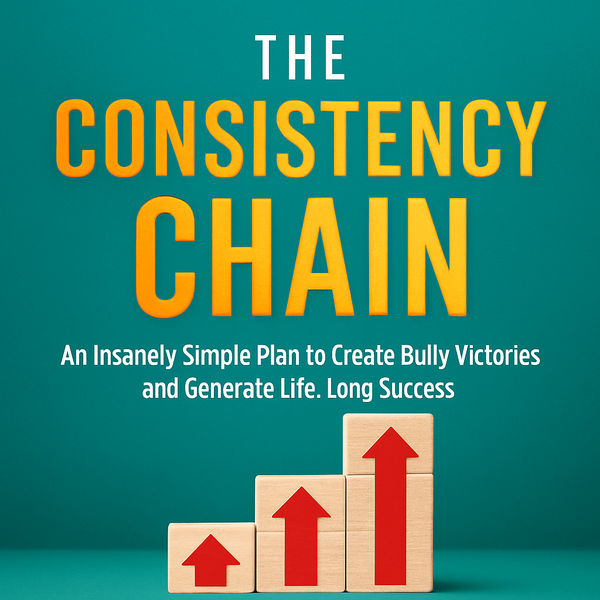
Master Consistency with Expert Guidance
Jim Packard’s course covers the core habits, triggers, and follow-through patterns that support dependable performance. It is a natural next step if you want a structured way to apply the ideas from the table.
Enroll in The Consistency Chain →
Watch Before You Enroll
Learn how to become an affiliate on The Great Discovery — the best affiliate program for course creators and marketers in 2026. Start earning commissions by sharing courses you believe in.
Frequently Asked Questions
What is performance consistency?
Performance consistency is the ability to repeat useful behaviors well enough that results become dependable. It matters because reliable progress usually comes from steady execution, not isolated bursts of effort.
Why do people struggle to stay consistent?
Most people struggle because they rely on motivation, which naturally rises and falls. Consistency improves when the behavior is tied to a clear cue, a simple standard, and a supportive environment.
How do you build consistency without burnout?
Use a minimum standard that you can complete even on difficult days. That keeps the chain alive and lowers the chance that one bad day turns into a long gap.
What habits improve follow-through?
Planning the next action, placing reminders in view, and reviewing progress regularly all improve follow-through. These habits reduce friction and make the next step easier to start.
How should you recover after missing a day?
Restart at the next available opportunity instead of waiting for a perfect reset. Fast recovery matters because one missed day only becomes a pattern when you keep missing.
What is The Consistency Chain about?
The course focuses on why consistent performance matters and how to improve it in practice. It is a focused fit for learners who want a structured approach to follow-through, habits, and dependable execution.
Ready to Go Deeper?
You’ve learned the fundamentals of consistency: repeatable actions, clear triggers, and fast recovery after misses. This course takes those ideas from understanding to practical application.
Start Learning Consistency on TGD →
Conclusion
Performance consistency is the skill that turns intention into dependable results. You learned that it depends on repeatable systems, clear triggers, minimum standards, and quick recovery after misses. Those pieces matter because steady actions compound over time, while one-off effort usually fades. If you want a structured path for applying that lesson, The Consistency Chain on TGD is a logical next step.
Explore More on TGD
- Network Marketing Mastery courses
- TGD Success courses
- Entrepreneurship and Business courses
- Networking Skills courses
- The Great Discovery homepage
- Jim Packard creator page
Share Your Knowledge on The Great Discovery
Join Jim Packard and hundreds of other creators sharing their expertise. Create and sell your own courses on TGD.