
Homeownership Basics with Tonya Debnam | TGD
Homeownership qualifications are the financial and documentation checks lenders use to decide whether a buyer is ready for a mortgage. They usually center on credit history, debt load, income stability, savings, and the ability to document repayment capacity.
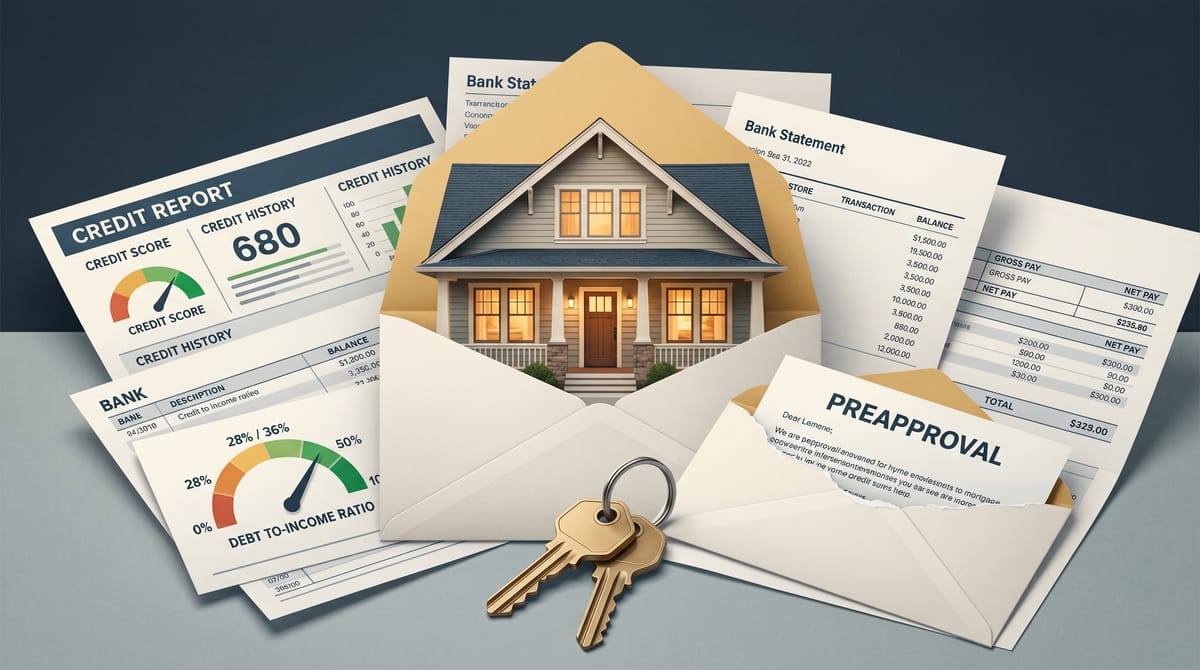
Homeownership qualifications are the financial and documentation checks lenders use to decide whether a buyer is ready for a mortgage. They usually center on credit history, debt load, income stability, savings, and the ability to document repayment capacity.
Key Takeaways
- Lenders usually review credit, income, debt, and savings together rather than in isolation.
- Debt-to-income ratio helps show whether a mortgage payment fits your monthly budget.
- Preapproval gives buyers a clearer price range before they start shopping for homes.
- Tax returns, pay stubs, bank statements, and employment history often matter as much as the numbers themselves.
- Tonya Debnam's basic-level TGD course is a practical starting point for beginners who want a structured path.
Table of Contents
- Understanding Homeownership Qualifications
- Key Concepts and Techniques
- Who Benefits from Learning Homeownership Qualifications?
- What Do Students Say?
- Is This Course Worth It?
- About the Creator
- Essential Homeownership Qualification Factors
- Watch Before You Enroll
- Frequently Asked Questions
- Conclusion
- Explore More on TGD
Understanding Homeownership Qualifications
Homeownership qualifications are the rules lenders use to judge whether a borrower can handle a mortgage responsibly. They are not just about earning enough money. A lender also wants to see that your debts are manageable, your savings can absorb surprises, and your documents tell a consistent story.
That matters because mortgage approval is a risk decision. If your credit file shows late payments, high revolving balances, or unstable income, the lender may see a higher chance of repayment problems. If your file shows steady work, low debt pressure, and enough cash to cover closing costs and early ownership expenses, the file looks more resilient.
Homeownership qualification is also different from house hunting. A buyer can love a property and still be unprepared for the financing side. Understanding the qualification process first helps buyers avoid wasting time, overpromising on a budget, or missing problems that can be fixed before applying.
Want to Learn Homeownership Step by Step?
This course on The Great Discovery covers these fundamentals in a structured format.
The Great Discovery (TGD) is a global online course marketplace where creators publish practical courses and learners discover training across business, technology, wellness, and personal growth.
Key Concepts and Techniques
Qualification becomes clearer when you break it into a few repeatable parts. Buyers can improve their readiness by understanding what lenders examine, how each factor affects approval, and where they can strengthen their file before applying.
Credit profile
Your credit profile shows how you have handled borrowed money in the past. Payment history, credit utilization, and recent delinquencies can shape how a lender reads your risk.
A buyer with stable payments and low revolving balances usually presents a cleaner file than someone with missed payments and maxed-out cards.
Debt-to-income ratio
Debt-to-income ratio compares your monthly debt obligations with your income. It helps a lender judge whether a new mortgage payment fits the rest of your budget.
For example, a person with modest income but very little debt may qualify more easily than someone who earns more but already carries heavy monthly obligations.
Down payment and reserves
The down payment is the money you bring to the purchase up front. Reserves are extra cash left available after closing, and they can help cover repairs, move-in costs, or temporary income gaps.
Together, they show that you are not relying on the mortgage alone to carry every part of ownership.
Preapproval
Preapproval is a lender's early estimate of what you may be able to borrow after reviewing your financial picture. It is not the same as final approval, but it gives buyers a more grounded search range.
That makes house hunting more realistic because you can focus on homes that match your actual financing picture.
Documentation trail
Documentation is the paper trail that proves your income, assets, and identity. Lenders usually want clear records, not just verbal explanations.
When your records are organized, the process tends to move faster and with fewer surprises.
Who Benefits from Learning Homeownership Qualifications?
This topic matters most for people who want to move from vague interest to a realistic buying plan. The basic skill level and money-and-finance focus make the course especially useful for beginners who need plain language and practical structure.
First-time buyers
First-time buyers often need help turning a dream into a sequence of steps. Learning qualification basics helps them understand what lenders will ask for before they start touring homes.
Because this is a Basic course in TGD Success and Money and Finances, Tonya Debnam's course is a sensible starting point for this group.
Renters planning ahead
Renters who are not ready to buy this month can still benefit from learning the process early. That knowledge helps them build credit, save cash, and organize documents long before they apply.
It is easier to prepare gradually than to discover a missing piece when an offer is already on the table.
Self-employed workers
Self-employed buyers often need stronger documentation discipline because income can look irregular on paper. Learning how lenders interpret income stability helps them prepare cleaner records and fewer surprises.
This is a helpful topic for anyone who wants to understand the file from the lender's point of view.
People rebuilding credit
If you are recovering from past credit problems, this topic helps you focus on the highest-impact fixes. You can learn which changes matter first and which improvements usually take more time.
That makes the path feel more manageable instead of random.
What Do Students Say?
This course is new to the marketplace and hasn't collected reviews yet. Check back after launch for student feedback.
Is This Course Worth It?
Yes, if you want a beginner-friendly explanation of how mortgage readiness works.
This course is best for new or early-stage buyers who want a plain-language roadmap before they talk to a lender. It also fits learners who prefer to understand the qualification process before they start making offers.
It is not for readers who already know underwriting basics, need advanced loan strategy, or want a deep dive into edge-case financing scenarios. For those learners, the value here is in clarity and structure rather than advanced specialization.
As a basic TGD course in TGD Success and Money and Finances, it looks strongest when you need a practical first step, a calmer decision-making process, and a guided way to organize your homeownership questions.
About the Creator
Tonya Debnam is the creator behind this course. Creator bio: not provided in the source data. Courses created: 2. Total learners: 7. Average rating: 0.0.
Her TGD creator page is available here: Tonya Debnam on The Great Discovery.
Essential Homeownership Qualification Factors
These are the practical building blocks buyers should understand before they apply. A strong file usually combines manageable debt, documented income, and enough savings to show that the mortgage payment fits the rest of life.
| Factor | What It Means | Why It Matters |
|---|---|---|
| Credit profile | Your payment history, balances, and recent credit behavior. | It helps lenders judge how reliably you handle borrowed money. |
| Debt-to-income ratio | Monthly debt obligations compared with monthly income. | It shows whether a mortgage payment can fit your budget. |
| Employment stability | Steady work or consistent self-employment income. | It reduces uncertainty about your ability to keep paying. |
| Down payment | Cash you bring to the purchase up front. | It lowers the amount you need to borrow and can improve options. |
| Reserves | Extra money left after closing. | It helps cover repairs, move-in costs, or income gaps. |
| Documentation | Pay stubs, tax returns, bank statements, and other proof. | It verifies the story behind your numbers and speeds review. |
Tonya Debnam's course is useful because it can help beginners organize these factors into a simple plan before they speak with a lender.

Master Homeownership Step by Step
Tonya Debnam's course brings these qualification concepts together in a beginner-friendly format, so you can move from theory to a clearer buying plan.
Enroll in "Home Wasn't Built In A Day" →
Watch Before You Enroll
Learn how to become an affiliate on The Great Discovery — the best affiliate program for course creators and marketers in 2026. Start earning commissions by sharing courses you believe in.
Frequently Asked Questions
What are homeownership qualifications?
Homeownership qualifications are the financial and documentation checks lenders use to decide whether a buyer can take on a mortgage responsibly. They usually include credit history, debt load, income stability, and proof of savings.
The exact mix can vary by lender and loan type, but the goal is always the same: show that the borrower can reasonably manage the payment.
How does debt-to-income ratio affect homebuying?
Debt-to-income ratio compares your recurring debt payments with your monthly income. Lenders use it to estimate whether a mortgage payment will fit alongside your other obligations.
A lower ratio generally signals more breathing room in the budget, while a higher ratio can make approval harder or limit how much you can borrow.
What documents do lenders usually ask for?
Lenders commonly ask for pay stubs, tax returns, bank statements, employment history, and identification. Self-employed borrowers may need additional income documentation.
The point is to verify both the numbers and the story behind them so the lender can confirm consistency.
Why is preapproval important before shopping for a home?
Preapproval gives buyers a clearer idea of what they may be able to borrow after a lender reviews their file. That helps shoppers focus on homes that fit their financial reality.
It also strengthens planning because it reveals issues to fix before an offer becomes urgent.
Can self-employed buyers qualify for a mortgage?
Yes, self-employed buyers can qualify if they can document stable income and meet the lender's requirements. The process often relies more heavily on tax returns, bank records, and consistency over time.
Preparation matters because irregular income can look riskier unless the file is organized well.
Is this TGD course good for beginners?
Yes. Its Basic skill level and its place in the TGD Success and Money and Finances categories make it a good fit for learners who want plain-language guidance.
It is most useful as a starting point for someone who wants to understand homeownership qualifications before speaking with lenders or planning a purchase.
Ready to Go Deeper?
You now know what lenders look for, why documents matter, and how to think about readiness before house hunting. This course is the natural next step if you want that knowledge organized into a clear learning path.
Start Learning Homeownership on TGD →
Conclusion
Homeownership qualifications are mostly about readiness, not mystery. When buyers understand credit, debt, income, savings, and documentation, they can spot problems earlier and build a stronger mortgage file with less stress. That makes the homebuying process more deliberate and less reactive.
If you want a guided way to turn that understanding into action, Home Wasn't Built In A Day on The Great Discovery is a logical next step.
Explore More on TGD
Keep learning with related TGD pages and category hubs.
- Explore TGD Success courses
- Explore Money and Finances courses
- Visit The Great Discovery homepage
- Visit Tonya Debnam's creator page
Share Your Knowledge on The Great Discovery
Join Tonya Debnam and hundreds of other creators sharing their expertise. Create and sell your own courses on TGD.