
ICU Self-Advocacy with Hector Del Valle | TGD
ICU self-advocacy is the skill of asking precise questions, tracking medications and tests, spotting warning signs, and keeping decisions clear when care is moving fast. It helps patients and families communicate better during critical illness.

ICU self-advocacy is the skill of asking precise questions, tracking medications and tests, spotting warning signs, and keeping decisions clear when care is moving fast. It helps patients and families communicate better during critical illness.
Key Takeaways
- ICU care is used for life-threatening illness and depends on constant monitoring, specialized staff, and rapid clinical decisions.
- Structured ICU practices have been linked with better outcomes, including fewer delirium and coma days, fewer readmissions, and lower short-term mortality.
- The most useful questions are specific: what changed, what each medication does, what the next test means, and what warning signs matter now.
- Recovery does not end at discharge; physical, cognitive, psychological, and social effects can continue after the ICU stay.
- The TGD course turns those skills into a practical 14-lesson path for people who want a calmer way to navigate a medical crisis.
Table of Contents
- Understanding ICU Self-Advocacy
- Key Concepts and Techniques
- Who Benefits from Learning ICU Self-Advocacy?
- What Do Students Say?
- Is This Course Worth It?
- About the Creator
- Essential ICU Self-Advocacy Situations
- Watch Before You Enroll
- Frequently Asked Questions
- Conclusion
- Explore More on TGD
Understanding ICU Self-Advocacy
ICU self-advocacy helps people make sense of life-threatening care before the moment passes. According to MedlinePlus, critical care is used for people with life-threatening injuries and illnesses, usually in an ICU where specially trained providers deliver 24-hour care with constant vital-sign monitoring and specialized treatment. That environment is intense because decisions about breathing support, medications, infection control, and sedation can change quickly.
According to the Society of Critical Care Medicine, the ICU Liberation Bundle has been studied in more than 20,000 patients and is associated with a 68% lower likelihood of hospital death within seven days, a 25% to 50% reduction in delirium and coma days, and a halving of ICU readmissions. SCCM's 2025 PADIS update also continues to emphasize lighter sedation, mobilization, and delirium-aware care. The core lesson is simple: people do better when someone keeps asking clear questions, tracking changes, and noticing when the plan shifts.
Want to Learn ICU Self-Advocacy Step by Step?
If you want the questions, warning signs, medication checks, and paperwork habits in one place, this course turns them into a structured 14-lesson path.
The Great Discovery (TGD) is a global online course marketplace where creators publish practical training and learners discover structured lessons across business, technology, wellness, and personal growth.
Key Concepts and Techniques
Good ICU advocacy is a set of repeatable habits. The best habits help you understand the plan, confirm details, and reduce avoidable confusion when the clinical picture changes fast.
The Ask-Back Loop
Ask the team to restate the plan in plain language, then repeat it back in your own words. This helps catch misunderstandings early and gives clinicians a chance to correct details before they become errors.
Medication and Test Tracking
In ICU care, medications can change quickly and tests often drive the next decision. Ask what each drug does, why a test was ordered, and what result would change the plan.
Sedation, Delirium, and Mobility
SCCM's 2025 PADIS update favors lighter, delirium-aware care when possible, and it also supports mobilization and melatonin in selected adults. If someone is too sedated, the team may miss opportunities to reduce confusion and speed recovery.
Paperwork and Decision Logs
ICU decisions often move faster than forms do, which is why consent, health proxies, and update notes matter. Writing down names, times, medication changes, and next steps reduces errors when shifts change.
Who Benefits from Learning ICU Self-Advocacy?
ICU self-advocacy matters most for people who must make fast decisions inside a 24-hour critical-care environment. MedlinePlus describes ICU care as continuous monitoring with specialized treatments, and SCCM's bundle evidence spans more than 20,000 patients, which shows how much structure matters when timing is tight.
Family Caregivers
If you are helping someone through an ICU stay, this TGD course is a practical starting point because it focuses on what to ask, what information matters, and how to stay clear-headed. The 14 lessons make the process feel organized instead of improvised.
Patients Facing Critical Illness
If you are alert enough to participate, the topic helps you organize questions, note warning signs, and think about medications and paperwork before the moment arrives. That is useful whether you are recovering from surgery, infection, trauma, or another critical event.
Faith-Centered Learners
This course will also appeal to readers who want prayer, mindset, and clinical care to work together instead of competing. Hector Del Valle's framing gives those learners a place to hold both resilience and responsibility at the same time.
New Advocates and Community Helpers
If you support others in church, caregiving, or neighborhood networks, the course gives you a reusable framework for hard conversations. Hector Del Valle is listed as a coach, leader, and change agent, which fits a teaching style built around practical guidance.
What Do Students Say?
This course is new to the marketplace and hasn't collected reviews yet. Check back after launch for student feedback.
Is This Course Worth It?
Yes, if you want a practical guide for a high-pressure ICU moment.
This course is best for family caregivers, patients preparing for or recovering from ICU care, and anyone who wants a clearer way to ask about medications, warning signs, paperwork, and next steps. The 14-lesson structure makes the material feel guided rather than scattered.
It is not for someone looking for a medical textbook or broad critical-care training. It is also not a substitute for bedside clinicians, because ICU decisions still depend on the care team.
As a next step on TGD, it looks strongest for learners who want calm, practical advocacy tools and a faith-aware framing of resilience during a medical crisis.
About the Creator
Hector Del Valle is listed as a coach, leader, and change agent. He has created 1 course, has 0 total learners, and shows an average rating of 0.0 in the current listing data. That makes this course feel like a focused first offering built around a very specific need. View Hector Del Valle on TGD
Essential ICU Self-Advocacy Situations
| Situation | What to Ask | Why It Matters |
|---|---|---|
| New diagnosis or status change | Ask what changed, what the team suspects, and what the next 24 hours look like. | You need the direction of care, not just the label. |
| New medication | Ask what the drug does, why it was started, and what side effects should be watched. | Medication changes can affect blood pressure, alertness, and breathing. |
| Sedation or confusion | Ask how awake the patient should be and whether the plan supports lighter sedation. | SCCM's 2025 PADIS update ties sedation choices to delirium reduction and recovery. |
| Breathing support | Ask whether oxygen, noninvasive support, or a ventilator is being used and why. | It clarifies the current level of support and what improvement would look like. |
| Paperwork or consent | Ask who can decide, what has already been authorized, and what is still pending. | Clear documentation prevents delays during fast-moving decisions. |
| Discharge planning | Ask what recovery problems are likely after the ICU and what follow-up is needed. | According to JAMA, post-ICU physical, cognitive, psychological, and social impairments can be underrecognized. |
This table is a bedside reference for clearer questions, not a substitute for clinical judgment. It helps you stay organized when the plan changes quickly and the next decision matters immediately.
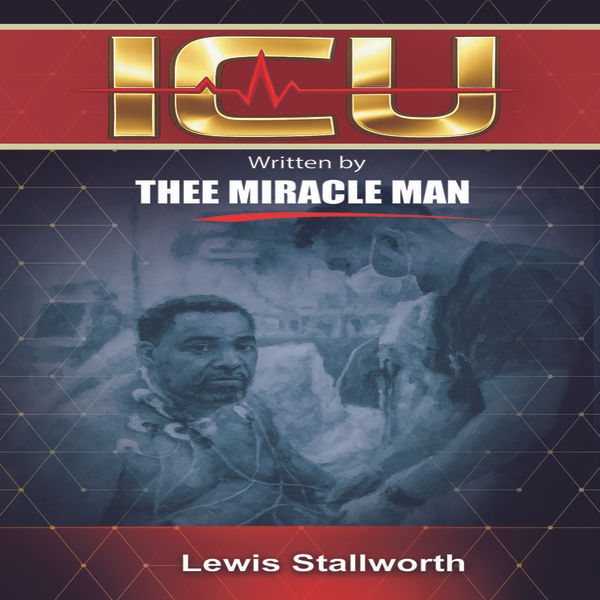
Master ICU Self-Advocacy with Expert Guidance
Hector Del Valle's course pulls these communication habits into a guided 14-lesson structure, so you can practice them before a crisis hits. If the table clarified how much detail matters, this is the next step.
Enroll in ICU - Written by THEE MIRACLE MAN →
Watch Before You Enroll
This short affiliate video shows how TGD creators share courses and how the link works.
Learn how to become an affiliate on The Great Discovery — the best affiliate program for course creators and marketers in 2026. Start earning commissions by sharing courses you believe in.
Frequently Asked Questions
What is ICU care?
Critical care is treatment for people with life-threatening injuries or illnesses, usually in an ICU where specially trained providers deliver 24-hour monitoring and specialized treatments, according to MedlinePlus. The pace is fast, so small clarifications can matter.
What is ICU self-advocacy?
ICU self-advocacy means asking clear questions, confirming medication and test details, and speaking up when something does not match what you were told. It does not replace the care team; it helps the care team make cleaner decisions.
What questions should families ask in the ICU?
Ask what changed, what the current goal is, what each medication does, what the next 24 hours look like, and what warning signs require immediate attention. These questions help you track the plan instead of reacting to fragments.
Why do sedation and delirium matter?
SCCM's 2025 PADIS update recommends dexmedetomidine over propofol when lighter sedation or delirium reduction is a priority and suggests enhanced mobilization or rehabilitation over usual care. That matters because alertness, mobility, and delirium are tied to recovery.
Why is recovery after the ICU often difficult?
According to a January 2026 JAMA review, ICU survivors have increased risk of physical, cognitive, psychological, and social impairments, and these problems are often underrecognized during the transition home. That is why follow-up matters after discharge.
Who is the TGD course best for?
The course is best for people who want a practical ICU advocacy guide that blends clear communication, medication and paperwork awareness, and faith-informed resilience. It is a good starting point for caregivers and patients who need structure quickly.
Ready to Go Deeper?
You now understand what ICU self-advocacy is, why it matters, and how the right questions can improve clarity when decisions move fast. This course turns that knowledge into practical habits for real ICU moments.
Start Learning ICU Self-Advocacy on TGD →
Conclusion
You learned that ICU self-advocacy is about clarity under pressure: ask precise questions, confirm medications and tests, watch for warning signs, and remember that recovery often continues after the hospital stay. MedlinePlus and SCCM both show why this matters in a setting where decisions move quickly and outcomes depend on coordination. If you want to turn that knowledge into a simple routine you can use in real life, ICU - Written by THEE MIRACLE MAN is the natural next step on TGD.
Explore More on TGD
- Health and Fitness courses
- Life Balance courses
- Medical courses
- TGD Success courses
- The Great Discovery homepage
- Hector Del Valle on TGD
Share Your Knowledge on The Great Discovery
Join Hector Del Valle and hundreds of other creators sharing their expertise. Create and sell your own courses on TGD.