The Power of Coriolus Versicolor with Debbie Hayes | TGD
Coriolus versicolor, also called turkey tail, is a medicinal mushroom studied for immune support because its beta-glucans and related polysaccharides can influence immune signaling; PSK from this fungus is used as an approved cancer adjunct in Japan.
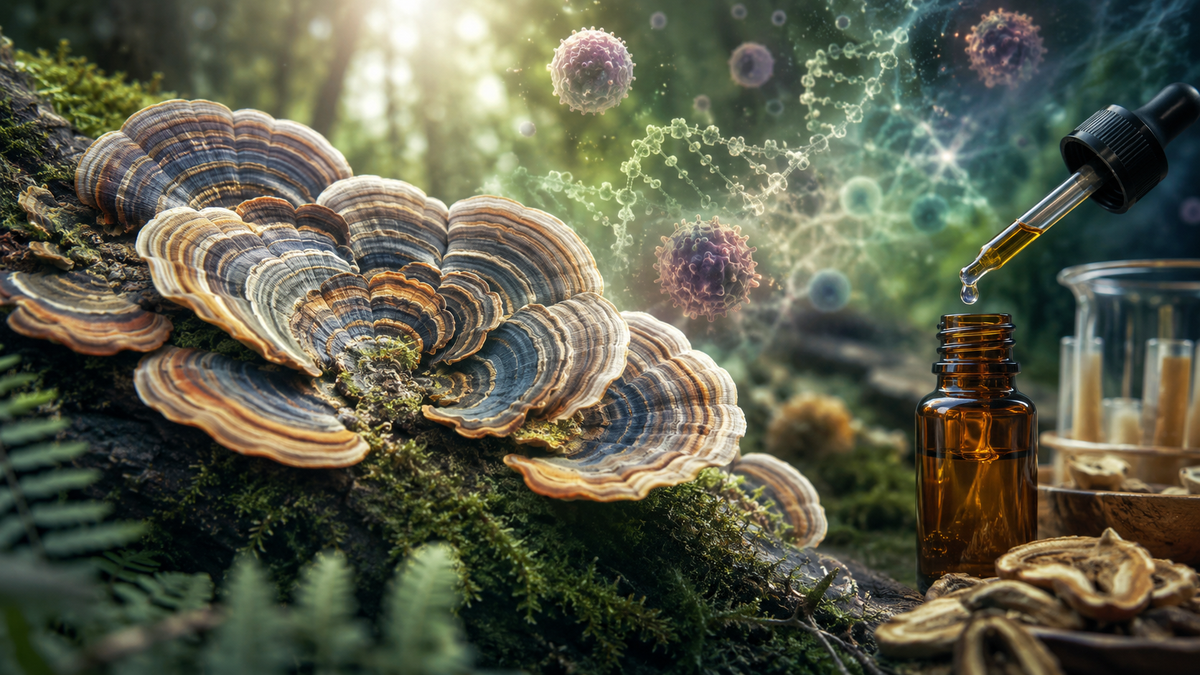
Coriolus versicolor, also called turkey tail, is a medicinal mushroom studied for immune support because its beta-glucans and related polysaccharides can influence immune signaling; PSK from this fungus is used as an approved cancer adjunct in Japan.
Key Takeaways
- Coriolus versicolor is the older scientific name for turkey tail mushroom, now commonly called Trametes versicolor.
- According to the National Cancer Institute, its immune-related interest is tied to high-molecular-weight polysaccharides such as beta-glucans.
- NCI notes that PSK from Trametes versicolor has been used as an approved mushroom product for cancer treatment in Japan for decades.
- Debbie Hayes’s course adds practical context on extraction methods, human use, and pet-focused wellness applications.
- If you want a structured starting point, the course is a logical next step after learning the basics of this mushroom.
Table of Contents
- Understanding Coriolus versicolor
- Key Concepts and Techniques
- Who Benefits from Learning Coriolus versicolor?
- What Do Students Say?
- About the Creator
- Topic Deep-Dive Table
- Watch Before You Enroll
- Frequently Asked Questions
- Conclusion
- Explore More on TGD
Understanding Coriolus versicolor
Coriolus versicolor, better known as turkey tail, is a medicinal mushroom studied for immune modulation rather than as a stand-alone cure. According to the National Cancer Institute, the mushroom’s immune effects are generally linked to high-molecular-weight polysaccharides called beta-glucans.
According to the National Cancer Institute, PSK from Trametes versicolor is an approved mushroom product used for cancer treatment in Japan, and medicinal mushrooms have been approved as adjuncts to standard cancer treatments in Japan and China for more than 30 years. As of May 2026, NCI’s clinical-trials database lists one active Coriolus versicolor extract trial, and a 2025 PubMed review identified 11 original breast-cancer studies from 2010 to 2025.
That evidence does not make turkey tail a cure. It does explain why the mushroom continues to matter in both traditional wellness circles and modern research.
Want to Learn Coriolus versicolor Step by Step?
Debbie Hayes’s course covers the science, history, and practical use of this mushroom in a structured format.
Key Concepts and Techniques
To understand Coriolus versicolor well, focus on the compounds, the extraction process, and the difference between research context and product marketing. These are the ideas that turn a mushroom supplement label into something you can evaluate more critically.
Beta-Glucans and Immune Signaling
Beta-glucans are the mushroom compounds most often linked to immune research. According to NCI, they are part of the high-molecular-weight polysaccharides associated with Coriolus versicolor’s immune effects.
That matters because the label “mushroom extract” alone does not tell you what is actually in the product. A useful product conversation starts with which compounds are present and how they were extracted.
PSK and Clinical Context
PSK is a purified mushroom product that has been used in Japan as an adjunct to cancer treatment. It is one reason Coriolus versicolor has a longer scientific history than many other medicinal mushrooms.
This does not mean every supplement on the market behaves like PSK. It means readers should separate a studied compound from a broad commercial mushroom powder.
Extraction Methods Matter
The course description highlights extraction methods that maximize potency, and that is an important topic for buyers. Hot-water, alcohol, and dual-extraction methods can pull different compounds from the mushroom.
In practice, the best extraction method depends on the intended use. A product meant to emphasize polysaccharides should not be judged the same way as one designed around other mushroom constituents.
Human and Pet Use Are Not Identical
Human wellness use and pet wellness use need different dosing, safety checks, and professional guidance. A mushroom that is discussed in both contexts still requires species-specific caution.
That is especially relevant here because the creator’s background includes pet nutrition and pet sitting. The topic is approachable, but it should still be treated carefully.
Who Benefits from Learning Coriolus versicolor?
This topic is most useful for readers who want a grounded introduction to immune-support mushrooms, not hype. Because the course data does not list a skill level or price, I would treat it as an accessible introductory course in the Health and Fitness, Medical, and Vibrant Aging categories.
Wellness Beginners
If you are new to medicinal mushrooms, Coriolus versicolor is a good place to start because the research story is clear and specific. You learn how to separate traditional use, clinical interest, and supplement marketing.
Debbie Hayes’s course is a practical starting point if you want that overview organized into lessons instead of scattered articles.
Pet Owners
Pet owners may benefit because the course also addresses practical applications for animals. That is helpful when a topic spans both human wellness and companion-animal use.
The creator’s pet-nutrition background makes the course especially relevant for readers who want a first look before discussing anything with a veterinarian.
People Comparing Supplements
If you buy mushroom supplements, you need to understand beta-glucans, extraction, and product labeling. That knowledge helps you ask better questions before spending money.
Since the FDA says dietary supplements are not approved for safety and effectiveness, a careful learning approach is more valuable than a glossy label.
Health Researchers and Content Creators
Writers, affiliates, and educators can use this topic to explain a nuanced health subject accurately. The research is interesting, but the claims need discipline.
That makes the course useful as a content foundation, especially if you want to explain the topic without overstatement.
What Do Students Say?
This course is new to the marketplace and hasn't collected reviews yet. Check back after launch for student feedback.
About the Creator
Debbie Hayes has created 3 courses for 41 learners and holds a 5.0 average rating. Her bio says she is certified in pet nutrition and pet sitting, which fits a course that discusses both human and pet wellness.
View her creator profile here: Debbie Hayes.
- Courses created: 3
- Total learners: 41
- Average rating: 5.0
Essential Coriolus versicolor Concepts
Use this table as a quick reference for the ideas that matter most when you read about turkey tail supplements or mushroom research. It separates the scientific concepts from the marketing language you often see online.
| Concept | What It Means | Why It Matters |
|---|---|---|
| Name shift | Coriolus versicolor is the older scientific name; Trametes versicolor is now more common. | Recognizing both names helps you read studies and product labels accurately. |
| Beta-glucans | These are mushroom polysaccharides associated with immune signaling. | They are the compounds most often discussed in Coriolus versicolor research. |
| PSK | A purified mushroom product used in Japan as an adjunct cancer treatment. | It shows that some mushroom-derived compounds have a real clinical history. |
| Extraction | Methods such as hot-water or dual extraction pull different compounds from the mushroom. | Extraction affects potency and the type of benefits a product may emphasize. |
| Research stage | NCI lists one active trial as of May 2026, and PubMed identified 11 breast-cancer studies from 2010 to 2025. | The topic is active, but still developing, so claims should stay evidence-based. |
| Supplement caution | U.S. dietary supplements are not FDA-approved for safety or effectiveness. | Consumers should evaluate labels, sourcing, and claims carefully. |
The course builds on these same ideas by showing how the mushroom is discussed, prepared, and positioned for real-world use. If you understand the table first, the lessons become much easier to follow.
Master Coriolus versicolor with Expert Guidance
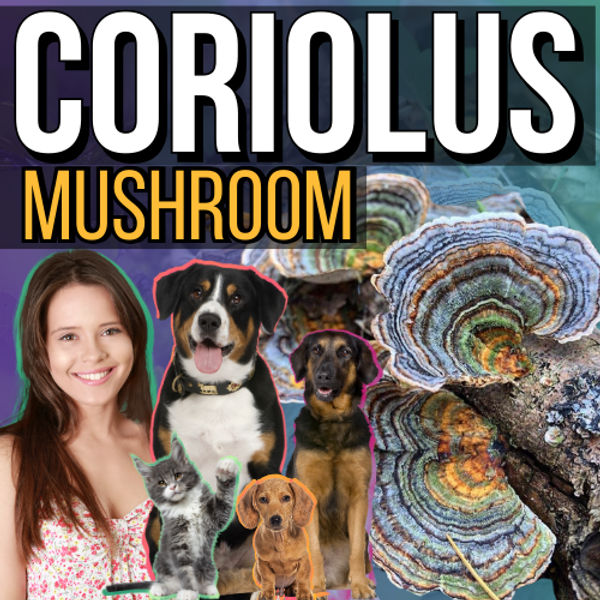
Debbie Hayes brings a pet-nutrition perspective to a topic that includes beta-glucans, extraction methods, and careful supplement use. Her course organizes those ideas into a clear path you can follow at your own pace.
Enroll in The Power of Coriolus Versicolor: →
Watch Before You Enroll
Watch this short video overview to understand the main ideas behind The Power of Coriolus Versicolor: before you enroll.
This video introduces The Power of Coriolus Versicolor: and previews explore the remarkable healing potential of Coriolus versicolor mushroom in this comprehensive course.
Frequently Asked Questions
These are the questions people usually ask before they decide whether turkey tail is worth learning about. The answers below focus on the science, the supplement context, and the course basics.
What is Coriolus versicolor?
It is the older scientific name for turkey tail mushroom, which is now commonly called Trametes versicolor. According to the National Cancer Institute, the mushroom’s immune-related interest is tied to beta-glucans and other high-molecular-weight polysaccharides.
Is Coriolus versicolor the same as turkey tail?
Yes. Coriolus versicolor is an older name for the same mushroom most people now call turkey tail.
That name shift matters when you search research papers or compare supplement labels.
What are beta-glucans in turkey tail?
Beta-glucans are mushroom polysaccharides studied for their immune-signaling effects. They are one of the main reasons Coriolus versicolor appears in modern immunology discussions.
According to NCI, those compounds are central to the mushroom’s scientific relevance.
What does research say about Coriolus versicolor and cancer?
According to the National Cancer Institute, PSK from Trametes versicolor has been used as an approved mushroom product for cancer treatment in Japan, and medicinal mushrooms have been used as adjuncts in Japan and China for more than 30 years. A 2025 PubMed review also found 11 original breast-cancer studies from 2010 to 2025.
That is meaningful evidence, but it is not the same as proof of a cure.
Are turkey tail supplements FDA-approved?
No. The FDA says dietary supplements are not approved for safety and effectiveness, and many can be marketed without notifying the agency.
That makes product quality and claim-checking especially important.
Is the TGD course beginner-friendly and what does it cost?
The course data does not list a formal skill level or price. Because it appears in Health and Fitness, Medical, and Vibrant Aging, it reads as an introductory learning resource rather than a clinical program.
If you want a structured overview before choosing a product or asking a clinician, it is a sensible place to start.
Ready to Go Deeper?
You now know why Coriolus versicolor matters, what beta-glucans and PSK represent, and why supplement caution matters in the U.S. The course is the natural next step if you want that knowledge organized into practical guidance.
Start Learning Coriolus versicolor on TGD →
Conclusion
Coriolus versicolor matters because it sits at the intersection of traditional mushroom use, immune-related research, and cautious supplement buying. You now know why beta-glucans draw attention, why PSK matters in Japan, and why U.S. supplement claims need scrutiny. If you want a guided path from basics to practical application, Debbie Hayes’s course on The Great Discovery is the next logical step: The Power of Coriolus Versicolor.
Explore More on TGD
Keep learning across related TGD categories, or visit the creator profile for more courses from Debbie Hayes.
- Health and Fitness courses
- Medical courses
- Vibrant Aging courses
- Debbie Hayes creator page
- The Great Discovery homepage
Share Your Knowledge on The Great Discovery
Join Debbie Hayes and hundreds of other creators sharing their expertise. Create and sell your own courses on TGD.