Lines of Credit with Unlimited CashFlow Solutions | TGD
Line of credit borrowing is a revolving loan that lets you draw, repay, and borrow again up to a set limit. Used carefully, it can improve cash flow, fund opportunities, and speed debt repayment; used carelessly, variable rates and payment shocks can increase risk.
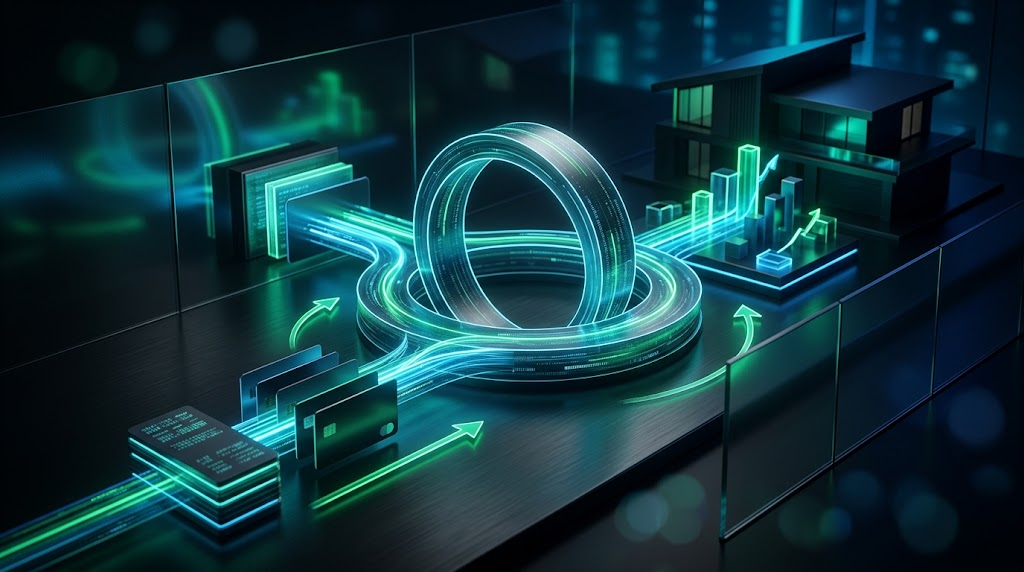
Line of credit borrowing is a revolving loan that lets you draw, repay, and borrow again up to a set limit. Used carefully, it can improve cash flow, fund opportunities, and speed debt repayment; used carelessly, variable rates and payment shocks can increase risk.
Key Takeaways
- Lines of credit are revolving, so you only pay interest on what you actually use.
- According to the Federal Reserve Board H.15, the bank prime loan rate was 6.75% on May 6, 2026, which affects many variable-rate credit products.
- According to Bankrate, the national average HELOC rate was 7.07% on April 15, 2026, so borrowing costs still deserve close attention.
- The New York Fed reported $434 billion in HELOC balances in Q4 2025, and 1.24% moved into serious delinquency, showing why repayment planning matters.
- The Great Discovery course adds a 1-on-1 consultation and personalized cash flow analysis, which can help turn the concepts into a practical plan.
Table of Contents
- Understanding Lines of Credit
- Key Concepts and Techniques
- Who Benefits from Learning Lines of Credit?
- What Do Students Say?
- About the Creator
- Essential Lines of Credit Concepts
- Watch Before You Enroll
- Frequently Asked Questions
- Conclusion
- Explore More on TGD
Understanding Lines of Credit
Lines of credit are flexible borrowing tools that let you access funds repeatedly up to a limit. Unlike a one-time loan, you typically pay interest only on the amount you draw, which makes these accounts useful for uneven expenses, short-term cash gaps, and planned borrowing.
That flexibility matters in 2026 because borrowing costs remain meaningful. According to the Federal Reserve Board H.15, the bank prime loan rate was 6.75% on May 6, 2026, and Bankrate reported a national average HELOC rate of 7.07% on April 15, 2026. The New York Fed also reported that HELOC balances reached $434 billion in Q4 2025, up $38 billion from a year earlier, while 1.24% of balances moved into serious delinquency. Those numbers show that a line of credit can be a useful tool, but only if the repayment plan fits the cash flow behind it.
For homeowners, small business owners, and anyone managing irregular income, the main lesson is simple: access is not the same as affordability. Understanding how the account works before you borrow is what keeps flexibility from turning into stress.
Want to Learn Lines of Credit Step by Step?
This course on The Great Discovery turns the core mechanics of credit limits, repayment, and cash flow into a practical plan you can apply to your own numbers.
Key Concepts and Techniques
The mechanics of a line of credit determine whether it builds flexibility or creates pressure. These core ideas help you compare offers, forecast payments, and decide when borrowing makes sense.
Draw Period vs. Repayment Period
During the draw period, you can borrow, repay, and borrow again. When repayment begins, the balance starts amortizing and monthly payments can rise sharply, so planning ahead is essential.
Variable Rate Pricing
Many lines of credit are tied to the prime rate, which was 6.75% in May 2026 according to the Federal Reserve Board H.15. If prime moves, your payment may move too, so a low introductory cost can change quickly.
Collateral and Risk
A HELOC is secured by home equity, and the CFPB warns that missing payments can put your home at risk. Unsecured lines of credit avoid home collateral, but they can still carry high rates or strict approval standards.
Debt Payoff Strategy
A line of credit can help consolidate higher-interest balances if the rate is lower and the payoff plan is disciplined. The benefit comes from replacing scattered debt with a clearer repayment path, not from extending the balance indefinitely.
Cash Flow Analysis
The course's cash flow focus matters because repayment success depends on timing, not just loan size. If your income is uneven, you need to know when cash arrives, when payments hit, and how much margin remains.
Who Benefits from Learning Lines of Credit?
This topic helps anyone who wants flexible borrowing without losing control of cash flow. Skill level is not listed in the supplied data, and price is not provided, so the best fit depends more on your goals than your budget. The categories point to Money and Finances, Entrepreneurship and Business, TGD Success, and Coaching, which makes the subject useful for both personal and business decisions.
Homeowners With Equity
If you have home equity, understanding a HELOC can help you use that equity more carefully. The CFPB notes that the draw and repayment structure can create payment shocks, so homeowners need a plan before borrowing.
Small Business Owners and Freelancers
Irregular income makes cash gaps more common, and a line of credit can smooth those gaps when used as working capital. This is where the creator's money-coaching approach can be helpful, especially if you want a structured way to look at income timing and repayment capacity.
People Paying Down Debt
Borrowers trying to reduce high-interest balances can use a line of credit to simplify payments and possibly lower interest costs. The course is a natural starting point if you want a guided plan for debt freedom and cash flow improvement rather than trial and error.
Beginners Who Want a Practical Framework
If you are new to borrowing tools, this topic gives you a vocabulary for comparing offers and spotting risk. The course's 1-on-1 consultation and personalized cash flow analysis can be especially useful if you want someone to help translate the concepts into your own numbers.
What Do Students Say?
This course is new to the marketplace and hasn't collected reviews yet. Check back after launch for student feedback.
About the Creator
Unlimited CashFlow Solutions describes itself as Your Money Coach For Personal and Business Needs. The creator has produced 4 courses for 9 learners, with an average rating of 0.0 in the supplied data.
Creator page: Unlimited CashFlow Solutions on The Great Discovery
Courses created: 4
Total learners: 9
Average rating: 0.0
Essential Lines of Credit Concepts
These are the core ideas that separate useful credit from expensive credit. Keep them in mind when comparing products or deciding whether to borrow.
| Concept | What It Means | Why It Matters |
|---|---|---|
| Draw Period | The time when you can borrow, repay, and borrow again. | It determines when the account is most flexible. |
| Repayment Period | The phase when new borrowing ends and the balance must be paid down. | Payments often rise, which can strain cash flow. |
| Prime-Based Pricing | A rate structure tied to the prime loan rate. | When prime changes, your borrowing cost can change too. |
| Collateral | An asset, such as a home, that secures the credit line. | It affects approval, pricing, and the risk of loss if you miss payments. |
| Utilization | The share of your credit limit that you have drawn. | Higher usage can signal tighter finances and limit flexibility. |
| Cash Flow Cushion | Money left after essential bills and debt payments. | A cushion helps you handle rate changes or payment increases. |
These concepts are the backbone of responsible borrowing. The course builds on them by showing how to use a line of credit for debt payoff, cash flow management, and capital access.

Master Lines of Credit with Expert Guidance
Unlimited CashFlow Solutions focuses on practical money coaching, and this course expands on the draw period, repayment period, rate risk, and cash-flow checks you just learned. It is built to help you apply those ideas at your own pace.
Enroll in Mastering Lines of Credit: The Key to Debt Freedom & Wealth →
Watch Before You Enroll
Watch this short video overview to understand the main ideas behind Mastering Lines of Credit: The Key to Debt Freedom & Wealth before you enroll.
This video introduces Mastering Lines of Credit: The Key to Debt Freedom & Wealth and previews gain the knowledge and strategies to master lines of credit and use them to pay off debt faster, increase cash flow, and access capital for wealth-building opportunities.
Frequently Asked Questions
What is a line of credit?
A line of credit is a revolving borrowing account that lets you draw funds up to a limit, repay them, and borrow again. It is useful for recurring or uneven expenses because you do not need to take the full amount all at once.
How is a HELOC different from a personal line of credit?
A HELOC is secured by home equity, while a personal line of credit is usually unsecured. According to the CFPB, HELOC borrowers can face higher payments after the draw period and risk losing the home if payments are missed.
Why do variable rates matter on lines of credit?
Variable rates can change when the benchmark rate changes. According to the Federal Reserve Board H.15, prime was 6.75% on May 6, 2026, and Bankrate reported an average HELOC rate of 7.07% on April 15, 2026, which shows why rate movement matters.
What is a draw period and repayment period?
The draw period is when you can borrow and repay repeatedly. The repayment period begins after that, and the balance must be paid down, which can significantly increase monthly payments.
Can a line of credit help pay off debt?
Yes, if the new borrowing cost is lower and the payoff plan is disciplined. It can also make debt worse if it is used to free up room for more spending without a repayment strategy.
Is this course beginner-friendly?
The supplied data does not list a formal skill level or price. Based on the topic, categories, and cash-flow focus, it appears suitable for beginners who want structured guidance as well as learners with some borrowing experience.
Ready to Go Deeper?
You have learned how lines of credit work, why rates and repayment stages matter, and where the real risks show up. This course is the next step if you want a structured way to apply that knowledge to your own finances.
Start Learning Lines of Credit on TGD →
Conclusion
Lines of credit are flexible tools, but their value depends on timing, rate structure, and repayment discipline. You learned how draw periods, repayment periods, variable rates, and collateral affect the real cost of borrowing, and why recent market data from the Federal Reserve, Bankrate, and the New York Fed make those details matter now.
If you want a more guided path, Mastering Lines of Credit: The Key to Debt Freedom & Wealth gives you a practical next step.
Explore More on TGD
If there are no related courses listed yet, these category pages are the best next places to continue learning.
Browse the TGD homepage or visit the creator page.
Share Your Knowledge on The Great Discovery
Join Unlimited CashFlow Solutions and hundreds of other creators sharing their expertise. Create and sell your own courses on TGD.