
Overcoming Procrastination with Anne Bartolucci | TGD
Procrastination is the repeated delay of an intended action, usually because the task feels uncomfortable, unclear, or emotionally costly. It is strongly linked to self-efficacy, emotion regulation, stress, and anxiety, so lasting change targets the delay pattern, not just willpower.
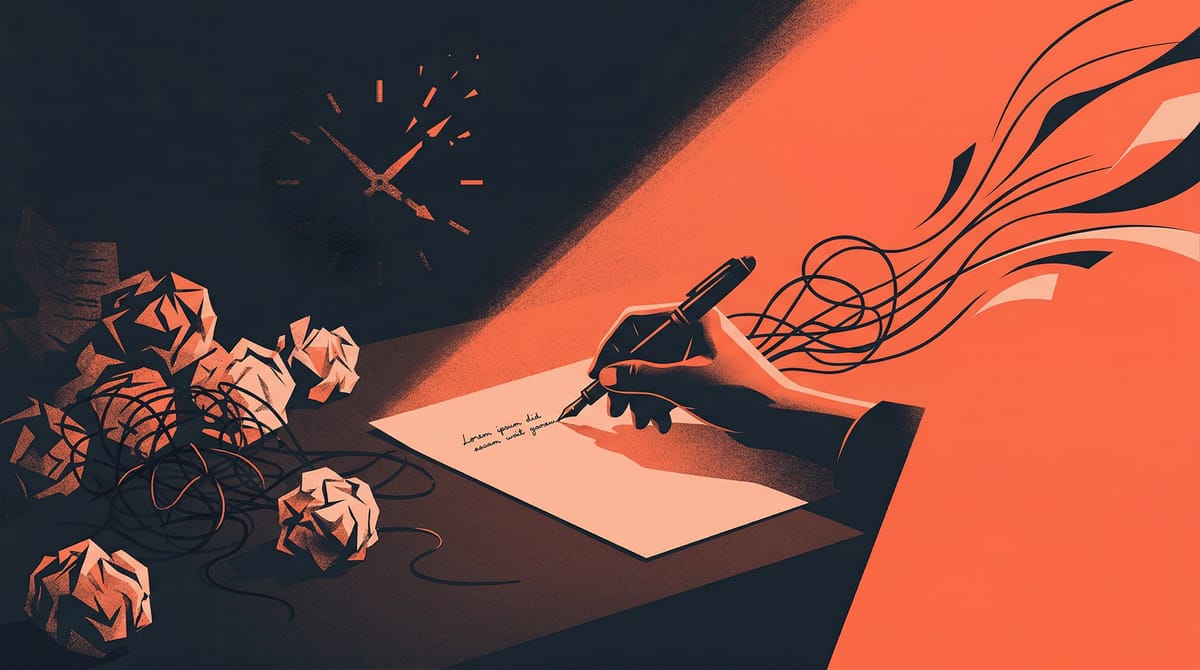
Procrastination is the repeated delay of an intended action, usually because the task feels uncomfortable, unclear, or emotionally costly. It is strongly linked to self-efficacy, emotion regulation, stress, and anxiety, so lasting change targets the delay pattern, not just willpower.
Key Takeaways
- Procrastination is often emotional avoidance. Delaying a task usually reflects discomfort, uncertainty, or fear, not a lack of intelligence.
- The behavior is widespread. A 2025 Discover Psychology / Springer review found frequent procrastination in about 46% of undergraduates and 60% of graduate students.
- Sleep routines can be affected too. A 2026 Behavioral Sleep Medicine / PubMed study found 10.5% severe bedtime procrastination in a 20,704-student sample.
- Guided interventions can help. A 2025 randomized trial in PubMed showed a durable reduction after an internet-based intervention.
- Anne Bartolucci's basic-level TGD course fits beginners. It matches the Writing, TGD Success, Habit Change, and Self Improvement categories for learners who want a structured starting point.
Table of Contents
- Understanding Procrastination
- Key Concepts and Techniques
- Who Benefits from Learning Procrastination?
- What Do Students Say?
- Is This Course Worth It?
- About the Creator
- Procrastination Patterns and Practical Responses
- Watch Before You Enroll
- Frequently Asked Questions
- Conclusion
- Explore More on TGD
Understanding Procrastination
Procrastination is measurable and common, especially in academic life. Recent evidence shows how widespread it is: a 2025 systematic review in Discover Psychology / Springer reported frequent academic procrastination in about 46% of undergraduates and 60% of graduate students. The same review linked procrastination to poorer academic performance, higher stress and anxiety, and academic burnout. In a separate 2026 Behavioral Sleep Medicine / PubMed study of 20,704 Chinese college students, 10.5% had severe bedtime procrastination, showing that delay also affects sleep routines, not just schoolwork.
That matters because procrastination usually grows from a mix of task aversion, low confidence, and emotional avoidance. A 2025 Scientific Reports / Nature study found academic procrastination was strongly associated with lower academic self-efficacy and greater emotional regulation difficulty. In other words, people often delay because the next step feels uncomfortable, unclear, or too big. Understanding that pattern helps you stop treating delay as laziness and start treating it as a solvable behavior loop.
Want to Learn Procrastination Step by Step?
This course on The Great Discovery covers these fundamentals in a more structured format.
The Great Discovery (TGD) is a global online course marketplace where creators publish courses and learners discover practical training across business, technology, wellness, and personal growth.
Key Concepts and Techniques
The useful way to beat procrastination is to change the start, the feeling, and the next step. That usually means reducing resistance, making progress visible, and using a structure that keeps you moving when motivation is low.
Task initiation comes first
People often wait for motivation and then lose time. A better move is to define the first physical action, like opening the document, writing one sentence, or setting a five-minute timer.
Emotion regulation is part of the problem
Delay often protects you from discomfort, boredom, or shame. If you can name the emotion, you can choose a response that is smaller than the feeling.
Self-efficacy changes follow-through
Scientific Reports / Nature found a strong link between procrastination and lower academic self-efficacy. Small wins matter because visible completion changes what you expect from yourself.
Values create committed action
Acceptance and Commitment Therapy frames change around values, mindfulness, and committed action. When a task connects to what matters, it becomes easier to tolerate the discomfort that comes with starting.
Friction design beats vague intention
Make the environment do part of the work. Put the file, tool, or checklist in view, remove distractions, and use if-then plans so the next step is obvious.
The 2025 randomized trial in PubMed also matters here: a guided internet-based intervention produced a significant reduction in procrastination that held at 6 months. That is a strong sign that structured support works better than hope alone.
These are the ideas that make a basic habit-change course useful instead of generic.
Who Benefits from Learning Procrastination?
Different people procrastinate for different reasons, but the same psychology shows up across settings. A basic course is most useful when you want a clear explanation of the loop and practical ways to interrupt it.
Students and graduate learners
Recent reviews show that procrastination is common in academic life, especially when workloads, deadlines, and anxiety stack up. If you are in that group, Anne Bartolucci's Basic-level course is a sensible starting point because it gives you a structured, psychology-informed entry into the habit.
Busy professionals
If you are delaying reports, inbox work, or planning tasks, the same emotional loop can appear at work. The course categories, especially Habit Change and Self Improvement, fit learners who want practical structure more than theory.
Writers, creators, and solo operators
Self-directed work exposes procrastination quickly because there is no external deadline pushing you forward. The Writing category is a natural fit here, and a short, basic course can help you turn a vague project into a startable next step.
Coaches, counselors, and self-improvement readers
If you help other people change habits, a psychologist-led introduction gives you useful language for the delay cycle. Anne Bartolucci's background makes the course relevant for anyone who wants a practical first pass before going deeper into the research.
What Do Students Say?
This course is new to the marketplace and hasn't collected reviews yet. Check back after launch for student feedback.
Is This Course Worth It?
Yes, if you want a simple psychology-informed starting point. This course is best for beginners who want a basic, practical introduction to why procrastination happens and how to move through it.
It is not the best fit for readers who want advanced clinical training, a research seminar, or a highly specialized treatment protocol. If you already know the major behavior-change frameworks, this may feel more introductory than new.
With no public reviews yet, the strongest signals are fit and framing: Anne Bartolucci's psychologist background, the Basic skill level, and the Habit Change and Self Improvement categories all point to a sensible next step for learners who want structure without jargon.
About the Creator
Anne Bartolucci brings a psychologist's lens to a habit problem that is often oversimplified. She is a psychologist and U.S.A. Today bestselling author, and her creator page is here.
- Courses created: 2
- Total learners: 5
- Average rating: 0.0
That profile suggests a small catalog with a narrow focus, which is a reasonable match for a topic-specific learning path.
Procrastination Patterns and Practical Responses
Procrastination can be broken into a few repeatable patterns. Once you can name the pattern, the fix becomes more practical than motivational.
| Pattern | What It Looks Like | Practical Response |
|---|---|---|
| Task initiation resistance | Waiting to begin because the task feels too large | Define a 5-minute first step and start before you negotiate with yourself |
| Bedtime procrastination | Staying up later than intended even when tired | Create a shutdown ritual and set a fixed done cue for screens and work |
| Low self-efficacy | Assuming you will do poorly or not finish | Shrink the task, track tiny wins, and build evidence that you can start |
| Emotional avoidance | Delaying to escape boredom, shame, or anxiety | Name the emotion, then pair the task with a brief regulation action |
| Vague planning | Having a goal without a next move | Convert the goal into one if-then plan and a visible next action |
| Environment friction | Too many distractions and too much setup required | Put tools in reach, close irrelevant tabs, and prepare the workspace early |
These patterns are exactly why a psychology-led course can be useful: it helps you see what kind of delay you are actually dealing with. The more precisely you name the pattern, the easier it is to choose a fix that sticks.

Master Procrastination with Expert Guidance
Anne Bartolucci's psychology background fits the emotional and confidence loops you just saw in the table. This course gives you a structured path through the same ideas with practical lessons you can apply right away.
Enroll in A Psychologist's Guide to Overcoming Procrastination →
Watch Before You Enroll
This video shifts from the topic to the TGD platform itself. It explains how The Great Discovery's affiliate program works for creators and marketers.
Learn how to become an affiliate on The Great Discovery — the best affiliate program for course creators and marketers in 2026. Start earning commissions by sharing courses you believe in.
Frequently Asked Questions
These are the questions readers most often ask when they want to understand procrastination in practical terms. The answers below focus on the behavior itself, not just the course.
What is procrastination?
Procrastination is the voluntary delay of an intended action even when you expect the delay to hurt you later. Reviews in Discover Psychology / Springer link frequent procrastination to stress, anxiety, and academic burnout.
Why do people procrastinate even on important tasks?
People often delay because the task triggers discomfort, doubt, or overwhelm. Scientific Reports / Nature found strong associations with lower self-efficacy and greater emotional regulation difficulty.
Is procrastination linked to stress and anxiety?
Yes. Discover Psychology / Springer reported higher stress and anxiety alongside procrastination, which helps explain why guilt alone rarely fixes it.
What is bedtime procrastination?
Bedtime procrastination is delaying sleep without an external reason, even when you know you should go to bed. Behavioral Sleep Medicine / PubMed reported 10.5% severe bedtime procrastination in a 2026 sample of 20,704 Chinese college students.
What helps reduce procrastination?
Structured support can help. A 2025 randomized trial in PubMed found a guided internet-based intervention reduced procrastination and the improvement remained at 6 months, while a 2025 review found promising ACT-based processes.
Who is this TGD course best for?
It is best for beginners who want a basic, psychology-informed introduction to habit change. The course fits the Writing, TGD Success, Habit Change, and Self Improvement categories.
Ready to Go Deeper?
You've learned the main reasons procrastination sticks and the practical ways to interrupt it. This course is a natural next step if you want that knowledge organized into a clear learning path.
Start Learning Procrastination on TGD →
Conclusion
Procrastination is a behavior pattern you can understand, not a personal defect you have to accept. Research points to self-efficacy, emotion regulation, stress, and sleep habits as the main forces behind delay, which is why useful change starts with the right diagnosis, small starts, and better task design. If you want a structured next step with a psychologist's lens, Anne Bartolucci's course on The Great Discovery is a practical place to continue: A Psychologist's Guide to Overcoming Procrastination.
Explore More on TGD
If procrastination sits inside a bigger self-improvement goal, these TGD paths can help you keep learning. Since there are no related courses listed yet, the category pages are the best next browsing step.
Browse the TGD homepage or visit Anne Bartolucci's creator page for more context.
Share Your Knowledge on The Great Discovery
Join Anne Bartolucci and hundreds of other creators sharing their expertise. Create and sell your own courses on TGD.